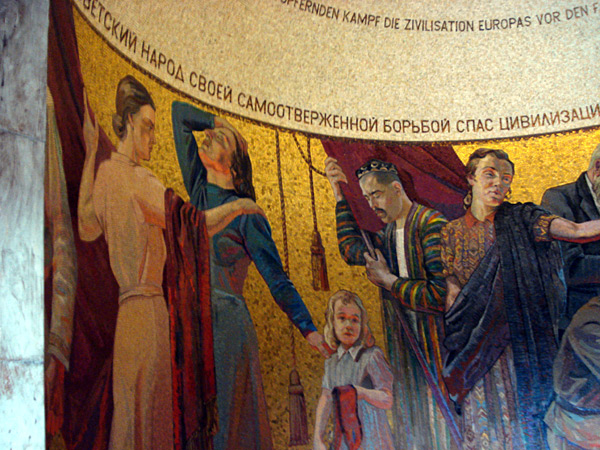
The relationship between individual autonomy and social responsibility is examined. The post argues that true freedom requires community, empathy, and shared values. It critiques hyper-individualism and calls for a renewed commitment to civic engagement, democratic dialogue, and the ethical bonds that sustain society.
Category: politics
#223: Should Ukraine Be More Thankful and Less Demanding?
#222: Science Fiction and Comics Have Always Been Woke, or: Of Course Women and Minorities Can Be Heroes!
#221: Does Putin Want to Negotiate?
#220: Russia’s Only Interests Are Terror and Destruction. It Must Be Defeated
#219: Some Reflections on Fukuyama and the End of History
#218: The West Is Not in Decline
#217: Thoughts on June 17: The GDR Was an Inhumane Dictatorship
#216: What to Make of Recent UFO Revelations by David Grusch
The post examines claims by David Grusch about recovered alien spacecraft and bodies, emphasizing the lack of direct evidence. It argues that while extraterrestrial life is likely, large-scale conspiracies are implausible. The analysis explores cultural fascination with UFOs and concludes that skepticism remains the most reasonable stance until verifiable proof emerges.
#215: Commonsense Diversity
Diversity work must prioritize real-world impact over rhetorical purity. The post argues that change requires dialogue, empathy, and respect—not censorship or coercion. It critiques cancel culture and tone policing, advocating for inclusive engagement that persuades rather than alienates. Diversity, equity, inclusion, and belonging are framed as common-sense goals rooted in shared human dignity.
#214: “Race” as the Experience of Dehumanization
Race is exposed as a political construct born of colonialism and sustained by economic exploitation. The post traces its origins to slavery and eugenics, arguing that racism persists through institutional and cultural dehumanization. It calls for a shift from guilt to responsibility, urging collective action to dismantle systemic inequality and affirm universal humanity.
#213: Poem: The Worst Kind of Animal
The poem is a raw, impassioned indictment of humanity’s destructive tendencies. It portrays humans as the “worst kind of animal”—capable of betrayal, violence, and environmental ruin. Through visceral language and existential urgency, the poet condemns war, complacency, and moral cowardice. Art is framed not as passive reflection but as a political act, demanding engagement, resistance, and truth-telling in the face of crisis.
#212: We Need to Build the Future Now: Spaceflight is not Optional
Space exploration is framed as a moral and strategic necessity. The post critiques short-term thinking and urges global cooperation to expand humanity’s reach beyond Earth. It highlights the benefits of spaceflight—from technological innovation to climate monitoring—and calls for political frameworks to guide future colonization, resource use, and interplanetary ethics.
#211: Is the Pandemic Over?
Despite public fatigue, the post argues that COVID-19 remains a global threat. It critiques premature declarations of normalcy and emphasizes the ongoing risks of long COVID, waning immunity, and inadequate data. The analysis calls for continued caution, mask-wearing, and respect for scientific expertise, framing pandemic response as a moral duty to protect others.
#210: Why (Some Degree of) Identity Politics is Necessary
The post defends identity politics as a necessary response to systemic exclusion. It argues that while individuality should be the goal, social structures often deny recognition to marginalized groups. Identity is framed as socially constructed and politically enforced, making advocacy essential to expanding the boundaries of normality and achieving genuine equality.
#209: We Need to Control Artificial Intelligence
AI’s rapid development is critiqued as ethically and epistemologically dangerous. The post warns that unchecked systems can distort truth, amplify misinformation, and undermine democratic discourse. Drawing on media theory and philosophical traditions, it calls for regulation, transparency, and a pause in deployment to ensure responsible integration into society.
#208: The Perversion of Everything Russian: From Leningrad to Mariupol
The post traces how Russian identity has been distorted by authoritarianism, from the heroic legacy of Leningrad to the devastation of Mariupol. It argues that Putin’s regime has perverted cultural memory, weaponized history, and turned national pride into imperial aggression. The analysis condemns the use of propaganda to justify war crimes and calls for reclaiming Russian culture from the grip of violence and lies.
#207: Democracy Only Works with a Strong Separation of Powers
The post argues that liberal democracy depends on institutional checks and balances. Drawing on historical examples from Athens, Rome, and Weimar Germany, it warns against populist erosion of judicial and legislative independence. Democracy is framed not as majority rule, but as a system that protects individual rights through structural safeguards.
#206: The Importance of Being Political
Political engagement is presented as a moral and civic duty. The post critiques apathy and argues that being “unpolitical” enables authoritarianism. Drawing on Pericles, Kant, and liberation theology, it calls for critical thinking, public discourse, and active participation in shaping society. Citizenship is framed as both a right and a responsibility.
#205: If You Want Peace: Why We Must Help Ukraine
#204: Poem: Путин, идиот (Putin, You Idiot)
#203: The Puzzling Resistance Against Anti-Racism
Resistance to anti-racism is examined as a symptom of discomfort with systemic critique. The post argues that calls for “colorblindness” often mask privilege and deny historical injustice. It defends anti-racist work as essential to democratic ethics and urges deeper engagement with structural inequality.
#202: Fear Not: Why We Need to be Optimistic About the Future
#200: The Nature Around Us
#199: Why Positionality Matters
The post argues that recognizing one’s positionality—social, cultural, and historical context—is essential for honest dialogue and intellectual humility. While arguments should stand on their own, identity shapes perception and bias. Acknowledging this fosters mutual respect, deeper understanding, and more constructive critique.
#198: LGBTQ Rights are Human Rights
LGBTQ rights are affirmed as fundamental human rights, not special privileges. The post critiques political and religious efforts to marginalize queer identities and argues that dignity, safety, and equality must be extended to all. It warns against moral relativism and calls for unwavering support of LGBTQ communities as a measure of democratic integrity and ethical clarity.
#197: We Have Good Reasons for Hope
#195: Fake “Referenda” Prove that Putin Doesn’t Want to Negotiate
The post exposes Russian-orchestrated referenda in occupied Ukraine as illegitimate and coercive. It argues that these actions reveal Putin’s refusal to negotiate and his intent to erase Ukrainian sovereignty. The analysis calls for global rejection of these tactics and continued support for Ukraine’s resistance.
#194: No, the Pandemic is Not Yet Over
COVID-19 continues to claim lives daily, and immunity remains uneven due to low booster rates and misinformation. Declaring the pandemic over ignores vulnerable populations and risks prolonging suffering. Public health must prioritize care, caution, and collective responsibility over political convenience and denial.
#193: De Mortuis Nil Nisi Bene: We Owe Respect to the Dead
#192: Biden Needs to Unite, not Demonize: In a Democracy, the “Other Side” Is Not the Enemy
Labeling “MAGA Republicans” as enemies undermines democratic unity and fuels polarization. Effective leadership requires empathy, understanding, and practical solutions—not rhetorical escalation. Populism thrives on resentment; defeating it demands inclusive governance and respect for political opposition.
#191: Remembering Mikhail Gorbachev
#190: On the Ability of Russians to Suffer their Government
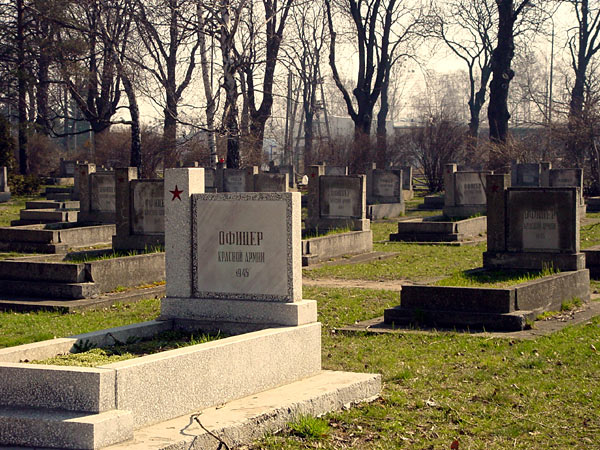
#189: Soviet Monuments Need To Go
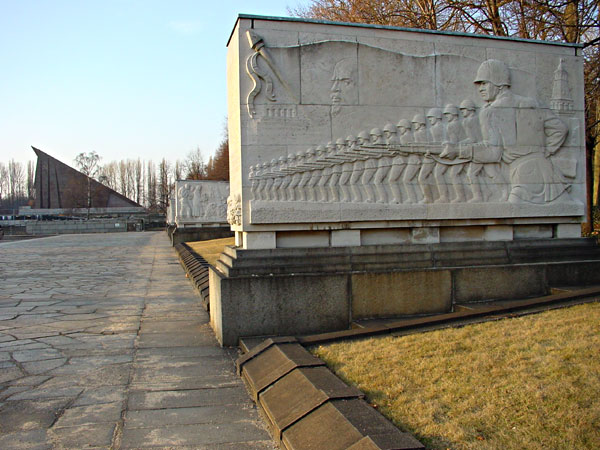
Monuments celebrating Soviet power are symbols of imperialism and totalitarianism, not liberation. Their presence in public spaces perpetuates historical falsehoods and glorifies organized evil. Like Nazi or Confederate memorials, they belong in museums, not city squares. Latvia’s decision to dismantle one is praised as morally necessary.
#188: What Is “The West” Today? From “Civilization” to Cooperation
The concept of “the West” is exposed as a shifting, often incoherent construct. Through maps and institutional analysis, the post argues that alliances, development, and democratic values—not geography or culture—define modernity. The term “West” ultimately collapses under scrutiny, revealing global interdependence and the need for cooperation over division.
#187: Words Are Not Violence
Equating speech with violence undermines both free expression and the clarity of moral judgment. Verbal offense is not physical harm, and disproportionate responses—like Will Smith’s slap—reflect a failure to distinguish registers. Art and critique must provoke; censorship breeds resentment and stifles growth.
#186: Salman Rushdie and the Case for Free Speech
Free speech must be defended absolutely, regardless of content or offense. The attack on Rushdie echoes historical efforts to silence dissent, from Giordano Bruno to modern authoritarian regimes. Without free expression, democracy, culture, and progress collapse. The choice is stark: liberty or repression.
#184: Anecdotal Thinking, Science, Religion, and Policy
#183: What Are Russians Thinking?
#182: Reflections on Identity, Purpose, and the Active Life
#181: Are We too Stupid for the Internet?
#180: Let Biden Be Biden
Biden’s political style—empathetic, pragmatic, and institutionally grounded—is defended against calls for radical transformation. The post argues that incrementalism and coalition-building are strengths, not weaknesses, in a polarized democracy. Leadership must reflect both conviction and restraint.
#179: Ecce Homo: Wokeness Beyond Caricatures
Wokeness is reframed as a call to critical compassion—an ethical stance rooted in self-awareness, social justice, and urgency. Rather than a caricature, it’s presented as a moral imperative to confront societal flaws with grace and resolve. Justice, not retribution; inclusion, not exclusion; hope, not cynicism.
#178: Russia Deserves Better
Putin’s regime is weakening Russia through repression, propaganda, and war. The illusion of strength masks economic decline, diplomatic isolation, and moral failure. Democracy is not alien to Russian culture—it’s a suppressed possibility. A better future requires rejecting imperialism and embracing dignity, accountability, and reform.

#177: Thinking Beyond Caricatures
Complexity is essential to understanding both ideas and people. Moral and political debates suffer when reduced to slogans or caricatures. True engagement demands humility, historical awareness, and intellectual rigor. Democracy requires expertise, not just opinion; knowledge must be earned, not assumed.
#176: Get Brexit Undone
Brexit has fractured the UK, weakened its global influence, and endangered peace in Northern Ireland. Cultural exceptionalism and political brinkmanship drove the decision, but its consequences are destabilizing. Rejoining Europe is framed not as surrender but as strategic recovery and moral clarity.
#175: The Metaverse Is Not The Solution
The metaverse deepens corporate control and digital superficiality. Unlike the participatory ethos of Web 1.0, it commodifies creativity and isolates users in gamified echo chambers. Technological progress must empower, not pacify; reclaiming digital agency requires resisting entertainment-driven distraction.
#174: Climate Change Can Only Be Countered With Technological Innovation
#173: Putin and Lavrov Demonstrate the Weakness of Today’s Russia
#171: Writing as Witnessing
#170: Sanctions Against Russia Are Working – And Need to Be Even Stronger
#169: What Russia Claims to Want Is Irrelevant Now
#168: Why Must Ukraine Win?
#166: Reflections on Memorial Day
#165: Realpolitik Is About Appeasing Power, not Reality or Morality
#163: Putin’s Russia Celebrates Its Own Fascism
#160: Victim Blaming Par Excellence: Russia Complains About Those Helping Ukraine
#159: Stop the Ukrainian Genocide
µ#8: Will Smith Apologized; Let It Go
#158: Russia’s Entire “Special Operation” Is a War Crime
#157: Liars Lie. Stop Believing Putin and Lavrov
#156: Politics, Arts and Sports: Some Erratic Reflections
#155: Dear Russia: Make It Stop
#154: Against Putin: Yes. Against Russia: No.
#153: The Monstrosity of Vladimir Putin: We Have Learned Nothing From History
#152: Democracy vs. Tyranny, or: How Does It Feel to Live in a Dictatorship?
#151: Putin Is a Fascist per Definition
#149: As Putin Is Orchestrating to Commit Genocide…
#148: Putin Does Not Care About Russia. It’s a Russian Leader’s Tradition
#147: Why Should We Care About Ukraine? A Pragmatic Answer
#146: The Fall of the Soviet Union Was the Greatest Event of the Late 20th Century
#145: Putin Has Never Been Threatened By NATO
#144: Putin’s War Against Ukraine Is a War Against All of Us
#143: The Madness of the Czar: Putin’s Incoherent Speech
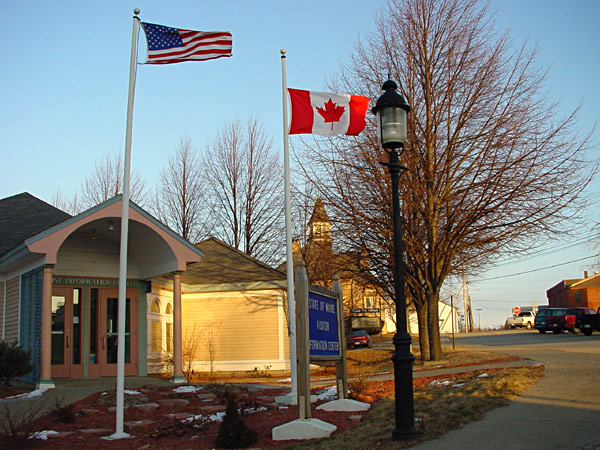
#142: Oh, Canada…
Canada’s progressive image is challenged through a critique of environmental policy, indigenous rights, and civil liberties. Trudeau’s support for pipelines—especially through First Nations territories—is framed as environmental destruction and disregard for native sovereignty. Emergency powers invoked during the trucker protests raise concerns about free speech and proportionality. The romanticization of Canada by American liberals is questioned, suggesting that idealism often ignores uncomfortable realities. The grass isn’t always greener—it’s just differently mowed.
#141: Is Wearing a Star of David Labeled “Unvaccinated” Anti-Semitic?
#140: We Need Vaccine Mandates After All
#139: Nature Demands Humility: Lessons from Jurassic Park World
Jurassic Park is more than entertainment—it’s a cautionary tale about hubris. Human attempts to control nature inevitably backfire. The films illustrate how technological arrogance and corporate greed ignore ecological complexity. Real-world parallels abound, from climate change to pandemics. Nature isn’t ours to dominate; it demands respect.
#138: The West Is not Weak, But It Has Lacked Commitment
Western democracies have failed not due to weakness but due to apathy, short-term thinking, and moral fatigue. Afghanistan’s collapse is emblematic of a broader failure to follow through. Democracy requires sustained effort, not just rhetoric. Putin’s aggression is a wake-up call: values must be defended, not assumed.
#136: Is Putin the Aggressor?
#135: Conspiracy Belief, Science, Ego and Humility
Rejecting expertise in favor of personal intuition reflects ego, not insight. Scientific consensus exists for a reason: complexity demands specialization. The Dunning-Kruger effect explains why the least informed often feel most confident. True wisdom begins with humility and trust in collective knowledge.
#134: If People Apologize for Their Mistake, They Should Not Be Cancelled
#133: Am I Really Not Paying Attention If I Am Not Outraged?
#131: Please Stop this Fascination with End-Times Rhetoric
#130: German Hypocrisy: How to Claim to be a Moral Leader While Acting Like an International Free-Loader. A Polemic
#128: Russia Is Part of the West
Russia’s cultural legacy—music, literature, art, science—is deeply intertwined with Western civilization. Rejecting Russia as culturally alien fuels geopolitical tension. Acknowledging shared heritage could foster cooperation and reduce paranoia. Political opposition to Putin must be distinguished from cultural exclusion.
#127: We Cannot Overcome Racism If We Talk About “Race” all the Time
Race is a social construct born of colonial exploitation. Constantly invoking racial categories reinforces the divisions that racism depends on. The focus should shift to dismantling racist structures, not reifying race itself. True progress requires seeing people as individuals, not as representatives of invented groups.
#126: NATO Is Not Threatening Russia, and Putin Knows It. Some Thoughts on Solutions.
#125: Eliminating the Filibuster Is Political Stupidity
#122: Only a Zero Covid Strategy Will Bring Success
#121: Outrage Is Not a Successful Communication Strategy
#120: Differential Treatment of Vaccination Opponents Is not Discrimination
#119: Thoughts on Covid Vaccine Mandates
#118: The Voter is Always Right: The Meaning of Democracy
#117: It’s Not About Trump. It’s About the Issues
Political success depends on addressing real-world concerns: economy, education, safety, infrastructure, and climate. Identity politics and ideological purity alienate voters. The post urges Democrats to focus on pragmatic solutions and inclusive messaging, not symbolic battles or moral grandstanding.
#114: Be Quiet Sometimes
#112: The Normality of Not Knowing
#108: Carefulness Is Not Fear
#105: We May Think We’re Done with the Virus, but the Virus is not Done with Us
#104: Psychological Long Covid
The pandemic's grip endures, and while some deny or trivialize it, many suffer in silence. Psychological scars abound—dread, nightmares, a loss of motivation. This is more than a health crisis; it's a social and mental battlefield demanding compassion. We must confront our collective trauma instead of succumbing to radical falsehoods.