
A poetic invocation of urgency and presence. The speaker calls for action in the face of despair, affirming that the time to live, resist, and create is now. “Nunc est” becomes both mantra and moral imperative.

occasional reflections on culture & politics
A poetic invocation of urgency and presence. The speaker calls for action in the face of despair, affirming that the time to live, resist, and create is now. “Nunc est” becomes both mantra and moral imperative.

Putin’s war tactics in Ukraine—targeting civilians, denying national identity, and justifying violence through ideological narratives—are framed as genocidal. The moral and legal threshold has been crossed. The West must stop equivocating and act decisively to prevent further atrocities.
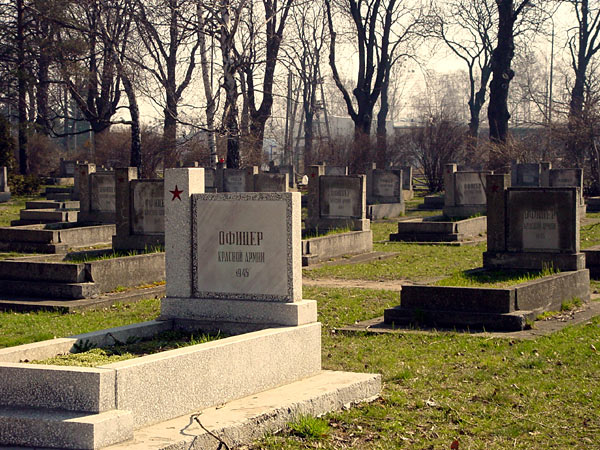
Russian leadership has long sacrificed its own people for imperial ambitions. Putin continues this tradition, prioritizing territory and power over human life. His war against Ukraine harms both Ukrainians and Russians, revealing a deep contempt for democracy and dignity.

Supporting Ukraine is not just a moral duty—it’s a strategic necessity. Western strength lies in alliances and shared values. Defending Ukraine affirms democracy, stability, and global credibility. The choice is stark: uphold freedom or enable authoritarian expansion.

Contrary to Putin’s claims, the collapse of the Soviet Union ended a brutal, imperial regime. The USSR was built on repression, genocide, and ideological tyranny. Its fall liberated millions and opened paths to democracy. Nostalgia for it insults the victims of its violence.

Claims that NATO threatens Russia are false. NATO’s expansion has been defensive, not aggressive. No treaty promised non-expansion, and no offensive troops have been stationed near Russia. Putin fears NATO because it blocks his imperial ambitions—not because it poses a real threat.

The invasion of Ukraine is an attack on democracy, truth, and international law. It threatens global stability and moral order. Standing with Ukraine is not optional—it’s a defense of shared values and the future of free societies.

Putin’s justification for war is riddled with historical distortions, paranoia, and imperial nostalgia. His rhetoric reveals a dangerous detachment from reality and a deep hostility toward democratic norms. The speech is a manifesto of authoritarian delusion.
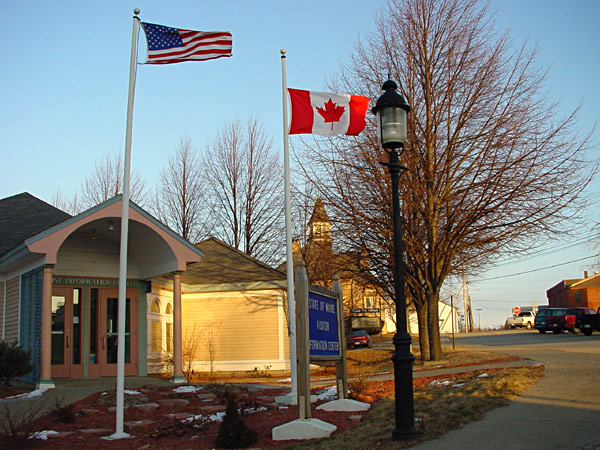
Canada’s progressive image is challenged through a critique of environmental policy, indigenous rights, and civil liberties. Trudeau’s support for pipelines—especially through First Nations territories—is framed as environmental destruction and disregard for native sovereignty. Emergency powers invoked during the trucker protests raise concerns about free speech and proportionality. The romanticization of Canada by American liberals is questioned, suggesting that idealism often ignores uncomfortable realities. The grass isn’t always greener—it’s just differently mowed.

Equating vaccine resistance with Holocaust victimhood is condemned as deeply offensive. The misuse of Jewish symbols trivializes genocide and distorts history. True dissent must be grounded in reason and respect—not appropriation and false martyrdom.

Vaccine mandates are defended as necessary for public health and social responsibility. Individual freedom must be balanced against collective safety. The post critiques misinformation and argues that mandates protect the vulnerable and uphold ethical governance.

Jurassic Park is more than entertainment—it’s a cautionary tale about hubris. Human attempts to control nature inevitably backfire. The films illustrate how technological arrogance and corporate greed ignore ecological complexity. Real-world parallels abound, from climate change to pandemics. Nature isn’t ours to dominate; it demands respect.

Western democracies have failed not due to weakness but due to apathy, short-term thinking, and moral fatigue. Afghanistan’s collapse is emblematic of a broader failure to follow through. Democracy requires sustained effort, not just rhetoric. Putin’s aggression is a wake-up call: values must be defended, not assumed.

Mortality is inevitable, but meaning is found in love. Life’s purpose isn’t grand achievement—it’s the daily choice to love deeply, patiently, and without judgment. Love is the center that holds amid uncertainty. If death comes after love, it’s a good day to die.
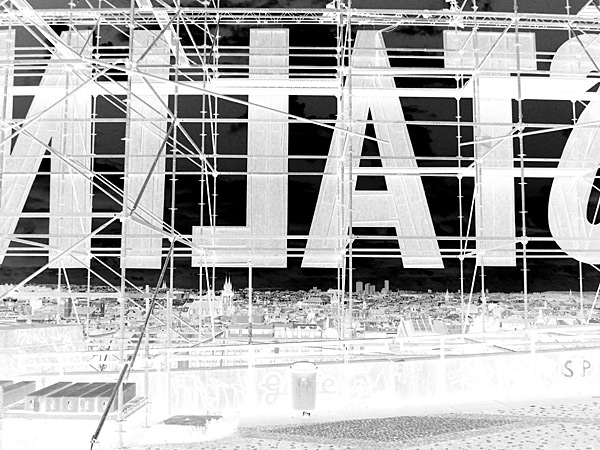
Yes. Russia’s annexation of Crimea and support for separatists in Ukraine violate international law. NATO has never threatened Russia. Putin’s narrative of victimhood is a smokescreen for imperial ambition. Peace is possible—but only through respect for sovereignty and democratic norms.

Rejecting expertise in favor of personal intuition reflects ego, not insight. Scientific consensus exists for a reason: complexity demands specialization. The Dunning-Kruger effect explains why the least informed often feel most confident. True wisdom begins with humility and trust in collective knowledge.

Cancel culture punishes growth. Public apologies should be met with grace, not exile. Redemption is part of democratic discourse. Holding people accountable is necessary—but forgiveness is what makes accountability meaningful.

Outrage is not the only valid response to injustice. Thoughtfulness, reflection, and strategic action matter more than performative anger. Constant outrage can numb empathy and distort priorities. Attention must be sustainable, not reactive.

Technology’s nudges toward healthier habits are well-intentioned but often ineffective. Sleep hygiene requires more than reminders—it demands lifestyle change. The post reflects on digital interventions and the deeper need for self-awareness and discipline.

Apocalyptic thinking distorts reality and undermines constructive action. Whether religious or political, end-times narratives breed fatalism and paranoia. The world is not ending—it’s evolving. Urgency must be grounded in hope, not despair.
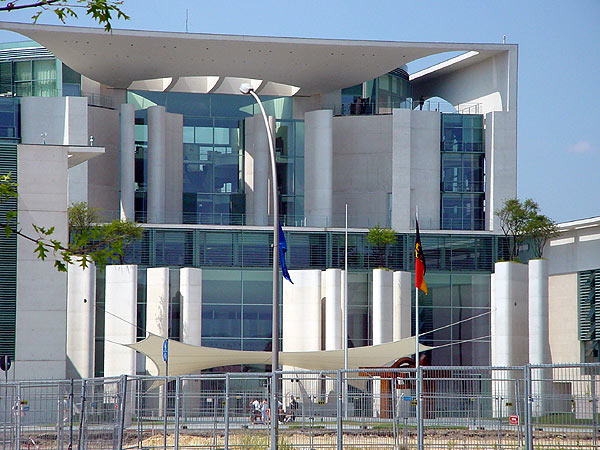
Germany’s reluctance to support Ukraine and invest in defense is critiqued as moral posturing without substance. The country benefits from global stability while avoiding responsibility. True leadership requires sacrifice, not just rhetoric. Europe’s future depends on shared commitment.

Animals communicate through emotion, gesture, and presence. Learning to understand them teaches empathy more effectively than most human interactions. Living with pets reveals the depth of nonverbal connection and reminds us that simplicity, care, and mutual recognition are the foundations of a meaningful life.

Russia’s cultural legacy—music, literature, art, science—is deeply intertwined with Western civilization. Rejecting Russia as culturally alien fuels geopolitical tension. Acknowledging shared heritage could foster cooperation and reduce paranoia. Political opposition to Putin must be distinguished from cultural exclusion.

Race is a social construct born of colonial exploitation. Constantly invoking racial categories reinforces the divisions that racism depends on. The focus should shift to dismantling racist structures, not reifying race itself. True progress requires seeing people as individuals, not as representatives of invented groups.
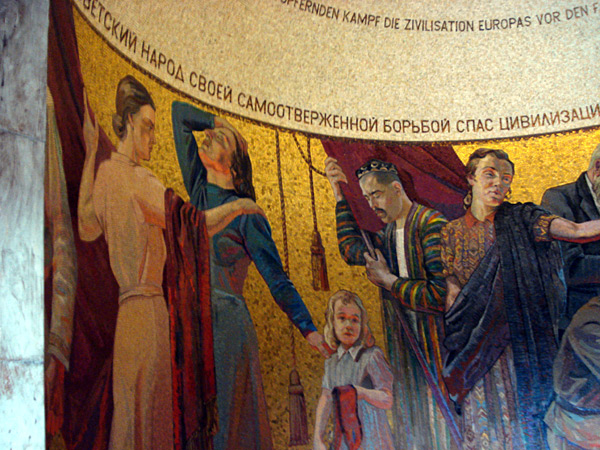
NATO’s expansion was voluntary and legal, driven by countries seeking protection from past Soviet aggression. Russia’s claims of threat are propaganda. A path forward could include diplomatic solutions, shared governance models, and even joint NATO membership—if Russia embraces democratic norms.

The filibuster protects minority voices and forces compromise. Removing it risks destabilizing the U.S. political system and empowering transient majorities. Long-term governance requires bipartisan cooperation, not short-term victories. Stability depends on respecting institutional safeguards.

A brief reflection on the passage of time and the hope for renewal. The post encourages readers to embrace change, cultivate gratitude, and remain committed to truth and empathy in the year ahead.

A poetic meditation on vulnerability, imagination, and the fragile beauty of human connection. The speaker invites the reader to “pretend” as a way of coping, dreaming, and affirming life amid uncertainty

Half-measures prolong the pandemic. A zero-COVID approach—strict containment, mass testing, and clear communication—is the only path to real recovery. The post critiques Western complacency and urges decisive public health action.

Outrage may feel cathartic but rarely persuades. Effective communication requires empathy, clarity, and respect. The post critiques performative anger and calls for more thoughtful engagement in political and social discourse.
Public health measures that distinguish between vaccinated and unvaccinated individuals are based on risk, not prejudice. Equating these policies with discrimination trivializes real injustice. The post defends science-based policy as ethically necessary.

Mandatory vaccination is defended as a legitimate public health measure. Individual freedom must be weighed against collective safety. The post critiques misinformation and argues that mandates are ethically justified when voluntary compliance fails to protect the vulnerable.

Restless Tail Syndrome: I think that is a thing! And it wiggles! Almost always!

Haven't we learnt our lesson? Apparently not. Delta is a game changer, this is far from over. Double vaccination is no longer enough. Please be careful everyone.

Democracy requires respecting the electorate, even when they vote against you. Demonizing voters reflects elitism and undermines democratic legitimacy. Politicians must communicate clearly, align with real concerns, and avoid ideological arrogance. Voters are experts in their own lives.

Political success depends on addressing real-world concerns: economy, education, safety, infrastructure, and climate. Identity politics and ideological purity alienate voters. The post urges Democrats to focus on pragmatic solutions and inclusive messaging, not symbolic battles or moral grandstanding.

All Pictures:

Religion is reframed as existential trust—a belief in meaning, order, and connection beyond oneself. The post critiques dogma and presents spirituality as a posture of openness, humility, and ethical engagement with the unknown.

Modern discourse often treats people as characters in simplified narratives, stripping away complexity. The post critiques this tendency and calls for deeper understanding of human behavior, beyond stereotypes and performative identity.

Silence is defended as a form of wisdom. Constant commentary and reactive speech dilute meaning. The post encourages intentional quiet as a way to listen, reflect, and restore clarity in a noisy world.
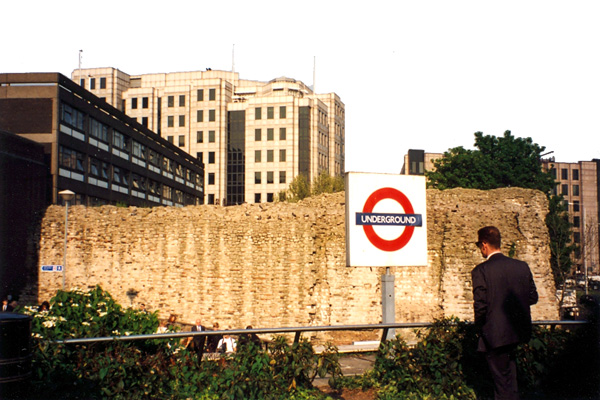
James Bond’s character relies on mythic masculinity and moral ambiguity. Attempts to modernize him through progressive values risk undermining the narrative’s core. The post critiques cultural revisionism and defends genre integrity.

Uncertainty is a natural part of life. The post challenges the expectation of constant clarity and argues that embracing ambiguity fosters humility, curiosity, and resilience. Not knowing is not failure—it’s a condition of being human.

It is finally done: Symphony 4: Elegy, demo music available on Soundcloud.

Faith is explored through a parable of missed opportunities. The post critiques passive religiosity and calls for active engagement with reality. True belief requires action, not just hope.
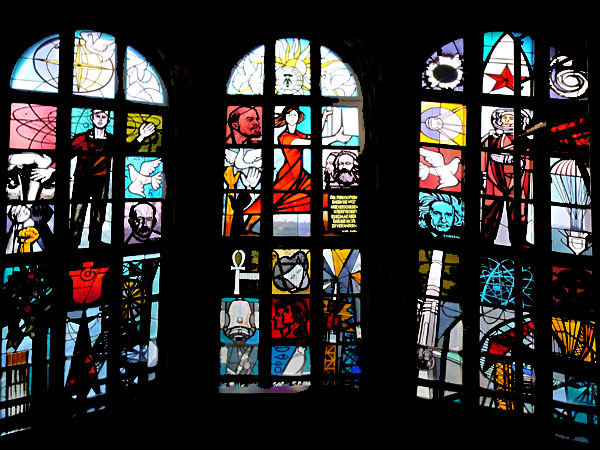
A poetic reflection on perception, empathy, and the limits of knowledge. The speaker seeks to grasp the world’s complexity through feeling and imagination, affirming that understanding begins with openness.

Despair is tempting in the face of global crises—Afghanistan’s collapse, climate disasters, COVID resurgence—but history shows resilience. Hope is not naïve; it’s a logical stance that enables action. Believing in the possibility of a better future is the first step toward building it.

Following scientific guidance—vaccination, masking, distancing—is framed as care, not cowardice. Dismissing caution as fear reflects ignorance and moral failure. Protecting others, even those who reject protection, is a civic and ethical duty. We are our brothers’ and sisters’ keepers.

Unhappiness often stems from flawed expectations and reactive thinking. Mindfulness, realism, and care are not the same as despair. Between happiness and misery lies a space of acceptance and effort. Problems may not be solvable, but pursuing solutions is itself a path away from unhappiness.

Happiness is not a reward for success but a stance toward life’s absurdity and imperfection. Acceptance, humility, and gallows humor help navigate suffering. Meaning arises from small joys, human connection, and the decision to embrace life despite its limits.

Complacency fuels viral evolution. Variants arise because we allow transmission. Magical thinking won’t end the pandemic—only global vaccination, masking, and distancing will. Fatigue is understandable, but carelessness prolongs the crisis and endangers the vulnerable.
The pandemic's grip endures, and while some deny or trivialize it, many suffer in silence. Psychological scars abound—dread, nightmares, a loss of motivation. This is more than a health crisis; it's a social and mental battlefield demanding compassion. We must confront our collective trauma instead of succumbing to radical falsehoods.
Looking into a loving cat's eyes encapsulates pure bliss. Animals understand life's essence, and their presence enriches our existence. We should take time to connect with non-human companions, like dogs or birds. While the author favors cats, any animal can provide comfort and joy in our lives.

Romanticizing the lone genius undermines scientific integrity. Most breakthroughs come from collaboration and consensus. Distrusting expertise in favor of contrarianism breeds misinformation. Science is a communal pursuit, not a stage for ego.
A brief reflection on exhaustion—physical, emotional, and existential. The post acknowledges burnout and the need for rest, empathy, and patience. Tiredness is not weakness; it’s a signal to pause, reflect, and recalibrate.

Brexit is critiqued as a slogan masking incoherence. The phrase avoids accountability and oversimplifies complex realities. True leadership requires clarity, not repetition. The consequences of Brexit demand honest reckoning, not rhetorical deflection.
Declaring the pandemic over is political theater, not public health. Such posturing endangers lives and undermines trust. The virus doesn’t respond to speeches—it responds to behavior. Real leadership means facing facts, not staging illusions.
A collection of brief reflections—philosophical, observational, and poetic. The post captures transient insights on life, culture, and perception, inviting readers to pause and consider the texture of thought itself.

Masking is an act of solidarity. It protects the vulnerable and affirms shared responsibility. The post critiques individualism and defends public health as a collective moral project. Caring for others begins with simple, visible choices.
A lyrical meditation on presence, memory, and the fleeting nature of experience. The poem captures the tension between transience and significance, affirming that even a single moment can hold the weight of meaning.

Opposing Israel’s existence under the guise of anti-Zionism is framed as a form of antisemitism. The post argues that denying Jewish self-determination while accepting it for other groups reflects a double standard. Criticism of Israeli policy is legitimate, but rejection of Israel’s right to exist crosses into bigotry.
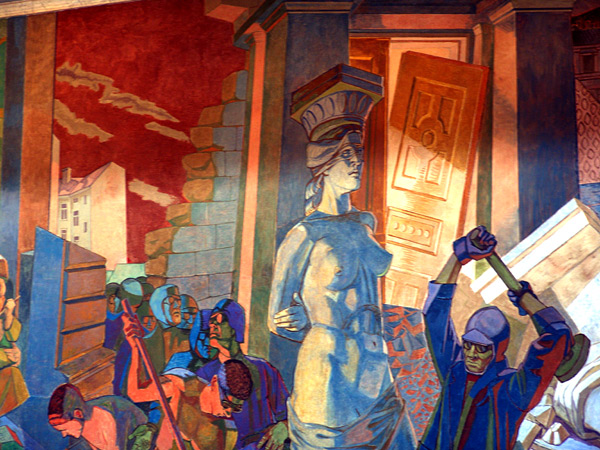
Populist leaders exploited the pandemic to undermine democratic norms, spread misinformation, and consolidate power. The post critiques anti-science rhetoric and authoritarian tendencies, warning that democracy depends on truth, transparency, and institutional resilience—especially in times of crisis.

Humanity is philosophically and politically unprepared for contact with alien life. The post explores how religious, scientific, and cultural frameworks might respond, and warns that existing divisions could hinder a unified approach. True readiness requires humility, curiosity, and global cooperation.

Media polarization erodes public trust and democratic discourse. The post calls for journalism grounded in facts, fairness, and accountability—not tribalism or clickbait. Neutral reporting is essential to informed citizenship and resisting ideological manipulation.

Both Israelis and Palestinians have legitimate claims to the land. The post rejects historical absolutism and calls for pragmatic cooperation. A federal or shared governance model is proposed as an alternative to the two-state solution. Peace requires empathy, compromise, and local ownership of the process.

Extremism is no longer confined to fringe ideologies—it has entered mainstream discourse. The post critiques absolutism, conspiracy thinking, and moral tribalism on both left and right. True political engagement requires nuance, humility, and a commitment to democratic principles.
Selfies are critiqued as symbols of narcissism and digital detachment. The post explores how constant self-documentation distorts identity, undermines authenticity, and replaces experience with performance. Real presence demands stepping outside the frame.

Brexit has disrupted supply chains, increased costs, and strained UK-EU relations. The post analyzes economic consequences and argues that ideological nationalism has come at the expense of practical prosperity. Trade thrives on cooperation—not isolation.

Western alliances must expand their worldview beyond Euro-American interests. The post calls for inclusive diplomacy, recognizing the agency of non-Western nations. A truly global perspective requires listening, learning, and sharing power.
Wokeness is defended as a moral stance rooted in empathy, justice, and historical awareness. The post critiques caricatures and argues that being “woke” means refusing complacency in the face of inequality. It’s not a fad—it’s a call to conscience.

Life is inherently tragic—defined by mortality, fallibility, and uncertainty. Yet this truth is liberating. The post argues that embracing impermanence allows us to live more fully, ethically, and reflectively. Meaning arises not from escaping tragedy but from choosing joy and compassion within it.

Meditation doesn’t require technique—it requires presence. Nature offers the most accessible path to mindfulness by decentering the self and inviting attention to the world beyond us. The post encourages readers to sit still, observe, and rediscover humility through the breath of the world.
Stargate is praised for its interdisciplinary approach to science fiction, integrating real scientific inquiry, ethical reflection, and mythological depth. Unlike other franchises, it foregrounds scientists as protagonists and treats science as a narrative engine. The post defends science fiction as a vehicle for intellectual engagement, not just entertainment.

Lockdowns are a response to the virus—not the cause of suffering. The post critiques backward reasoning and emphasizes that nature, not human policy, drives pandemics. Patience, empathy, and realism are essential. We must accept our limits and learn from history, or we’ll repeat it.

Rising anti-Asian violence reflects humanity’s tendency to scapegoat and other. The post urges distinction between governments and individuals, critiques fetishization and stereotyping, and calls for solidarity rooted in shared humanity. Understanding must replace ignorance.
Locations in Oregon: Detroit, Lyons, Corvallis, Newport, Sea Lion Caves, Grand Ronde, Mt Angel Abbey, Portland, Land and Linn County, Warm Springs Slideshow: All Pictures:

Panic undermines rational decision-making. The post argues for calm, logic, and collective responsibility in crisis. Fear is natural, but it must be managed through empathy, science, and deliberate action.

History is a tool for understanding—not just remembering. The post calls for better civic education to explain democracy’s value, complexity, and fragility. Without historical context, democratic ideals risk being misunderstood or abandoned.

Locations: From Santiam Highway, Sisters, Smith Rock, Warm Springs, Dufur, The Dalles to Portland Related Photo Series Thread: Oregon Territory Slideshow: All Pictures:
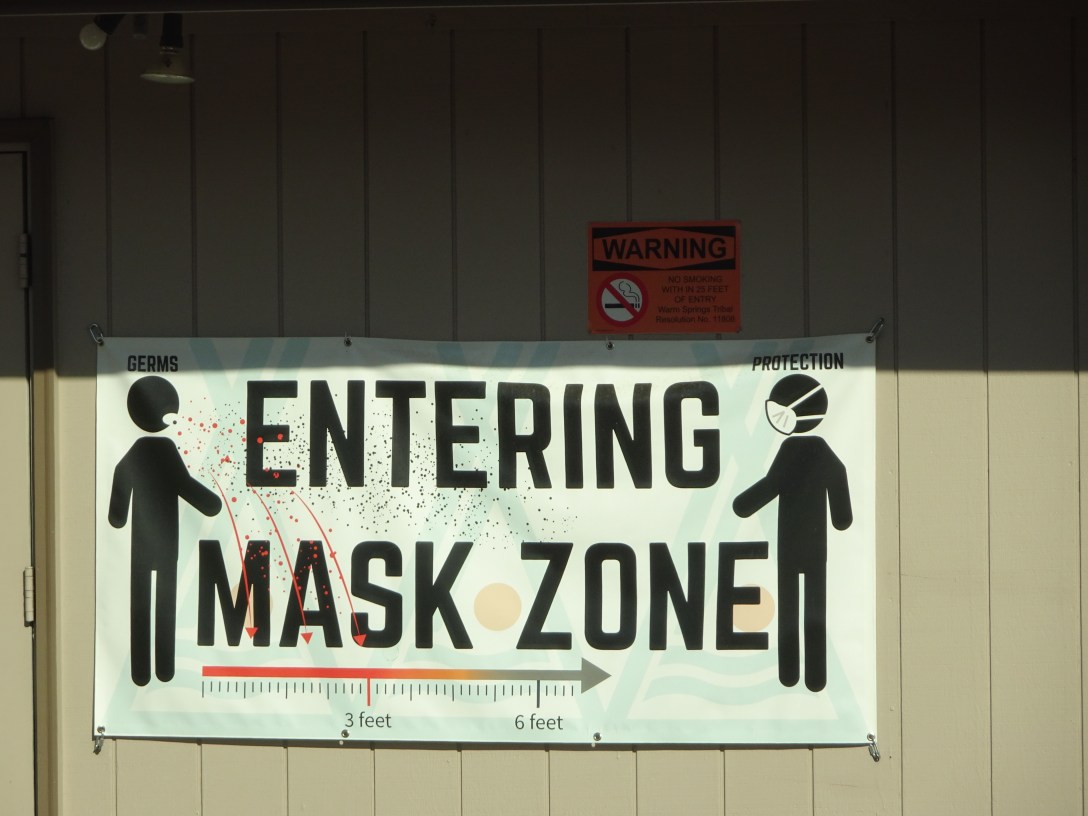
Emotion and ideology distort public health responses. The post defends logic, data, and scientific reasoning as the only reliable tools for navigating COVID-19. Clear thinking is framed as a moral and civic necessity.

Expecting normalcy during crisis leads to disappointment and denial. The post urges acceptance of disruption and adaptation to new realities. Resilience begins with letting go of outdated expectations.

Democracy depends on open discourse. The post critiques censorship, tribalism, and ideological rigidity, arguing that only through dialog can truth emerge and progress be made. Debate is not a threat—it’s a foundation.

Humanities and social sciences offer essential tools for interpreting power, culture, and identity. The post argues that public discourse suffers when these disciplines are dismissed as abstract or elitist. Theory is not a luxury—it’s a framework for understanding the world and shaping democratic debate.

Social justice is grounded in fairness, dignity, and the dismantling of systemic inequality. The post critiques performative activism and ideological rigidity, arguing that true justice requires humility, listening, and structural change. It’s not about moral superiority—it’s about shared responsibility.

Animals exhibit distinct temperaments, preferences, and emotional responses. The post challenges the notion that personality is uniquely human, suggesting that recognizing individuality in animals deepens empathy and ethical awareness. Personality is not just cognitive—it’s relational.

Hero worship undermines collective agency. The post critiques the search for political or cultural saviors, arguing that change arises from community, not charisma. Democratic progress depends on participation, not messianic leadership. We must stop outsourcing responsibility.

Human rights violations are never purely domestic. The post rejects the idea that sovereignty excuses oppression, emphasizing that global solidarity and accountability are essential. Silence in the face of injustice—anywhere—is complicity.

Scientific thinking is empirical, provisional, and self-correcting. Mythological thinking is symbolic, moral, and narrative-driven. The post argues that both have value, but confusing them leads to epistemological chaos. Science explains; myth interprets. We need both—but must know which is which.

Social media incentivizes conformity, performance, and instant gratification. The post warns that algorithmic culture erodes depth, originality, and risk-taking. Creativity requires solitude, slowness, and imperfection—qualities at odds with digital metrics.

Media trust depends on transparency, accountability, and editorial integrity. The post critiques bias, sensationalism, and corporate influence, while defending the necessity of journalism. Trust must be earned—not assumed or rejected wholesale.

Progress is iterative, imperfect, and ongoing. The post rejects utopianism and fatalism alike, arguing that social improvement is a moral obligation. Democracy is not a finished product—it’s a process that demands constant care and renewal.

A lyrical elegy for a planet in crisis. The poem mourns ecological destruction, political violence, and spiritual disconnection. It calls for remembrance, resistance, and a reawakening of conscience.
The Capitol riot was a shock, but not a collapse. Institutions held, dissent was protected, and the democratic process resumed. The post argues that the U.S. has survived worse and will endure—if it addresses the roots of discontent and recommits to democratic principles.
Yes. Russia’s actions in Crimea, Donbas, and beyond violate international law. NATO has never posed a threat; Putin’s imperial ambitions are the real danger. The post urges Russia to choose peace, democracy, and dignity over conquest and paranoia.

COVID-19 reveals our impatience, poor risk assessment, and fragile social bonds. The virus thrives on denial and division. The post urges empathy, realism, and care for relationships, warning that fear and fatigue must not erode our humanity.

Democracy depends on truth, reason, and shared knowledge. The post defends education as essential to civic life, arguing that facts and science must guide public discourse. Without informed citizens, democracy cannot survive.
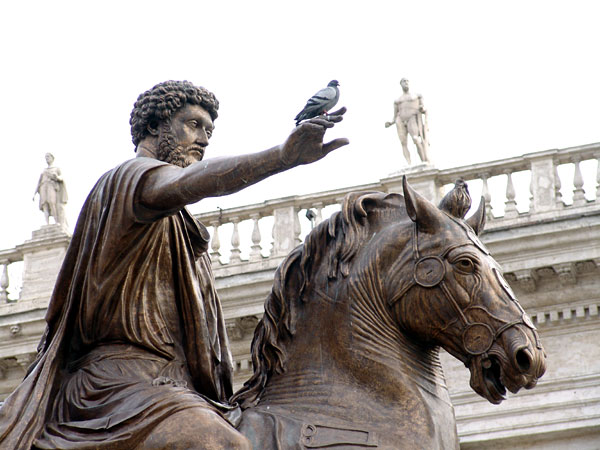
Effective critique requires detachment, not outrage. The post defends calm, reasoned analysis as a tool for truth-seeking and democratic engagement. Passion may inspire, but only dispassion clarifies.

Brexit is exposed as a nationalist fantasy that ignores economic and geopolitical realities. The post critiques the rhetoric of sovereignty and warns that isolation weakens Britain’s global standing and internal cohesion.

Faith is not certainty—it’s trust amid uncertainty. The post explores the tension between belief and doubt, arguing that true spirituality embraces questioning, humility, and the mystery of existence.
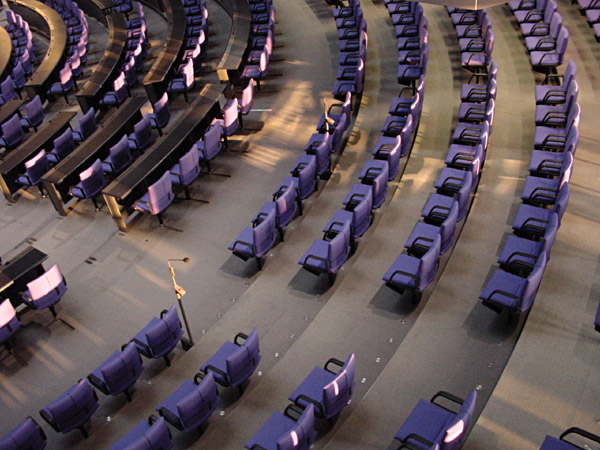
Democracy isn’t about winning—it’s about building agreement. The post defends compromise, pluralism, and institutional negotiation as the heart of democratic life. Polarization threatens this process; consensus sustains it.
Appreciation is a moral and emotional necessity. The post calls for recognizing others’ dignity, contributions, and humanity. In a divided world, gratitude and empathy are revolutionary acts.
 Erratic Attempts