#204: Poem: Путин, идиот (Putin, You Idiot)

A blunt poetic condemnation of Putin’s leadership and war crimes. The post expresses moral outrage at Russia’s invasion of Ukraine and its broader authoritarian trajectory. It calls for clear language, accountability, and unwavering support for Ukraine’s resistance.

#203: The Puzzling Resistance Against Anti-Racism

Resistance to anti-racism is examined as a symptom of discomfort with systemic critique. The post argues that calls for “colorblindness” often mask privilege and deny historical injustice. It defends anti-racist work as essential to democratic ethics and urges deeper engagement with structural inequality.

#202: Fear Not: Why We Need to be Optimistic About the Future

The post advocates for hope as a political and philosophical stance. It critiques fatalism and argues that optimism enables action, creativity, and resilience. Drawing on historical progress and human ingenuity, it calls for renewed belief in the possibility of a better world.

#201: Adventures in Artificial Intelligence: An Evening with ChatGBT

A personal reflection on interacting with AI, exploring its strengths, limitations, and philosophical implications. The post raises questions about consciousness, creativity, and the future of human-machine dialogue. It blends curiosity with caution, emphasizing the need for ethical reflection

#200: The Nature Around Us

A contemplative meditation on nature’s beauty and fragility. The post reflects on ecological interconnectedness and the spiritual value of the natural world. It calls for environmental stewardship and a deeper appreciation of life beyond human constructs.

#199: Why Positionality Matters

The post argues that recognizing one’s positionality—social, cultural, and historical context—is essential for honest dialogue and intellectual humility. While arguments should stand on their own, identity shapes perception and bias. Acknowledging this fosters mutual respect, deeper understanding, and more constructive critique.

#198: LGBTQ Rights are Human Rights

LGBTQ rights are affirmed as fundamental human rights, not special privileges. The post critiques political and religious efforts to marginalize queer identities and argues that dignity, safety, and equality must be extended to all. It warns against moral relativism and calls for unwavering support of LGBTQ communities as a measure of democratic integrity and ethical clarity.

#197: We Have Good Reasons for Hope

Despite global crises, the post affirms that humanity possesses the tools, knowledge, and resilience to overcome challenges. It defends democracy, technological progress, and cultural evolution as sources of optimism. Hope is framed not as naïveté but as a call to action and civic engagement.

#196: Poem: I Need to Believe

A lyrical meditation on hope amid despair. The poem affirms belief in a future born from suffering, framing utopia as an inner truth waiting to be nurtured. It acknowledges the necessity of both dreams and nightmares in guiding the soul toward peace and resilience.

#195: Fake “Referenda” Prove that Putin Doesn’t Want to Negotiate

The post exposes Russian-orchestrated referenda in occupied Ukraine as illegitimate and coercive. It argues that these actions reveal Putin’s refusal to negotiate and his intent to erase Ukrainian sovereignty. The analysis calls for global rejection of these tactics and continued support for Ukraine’s resistance.

#194: No, the Pandemic is Not Yet Over

COVID-19 continues to claim lives daily, and immunity remains uneven due to low booster rates and misinformation. Declaring the pandemic over ignores vulnerable populations and risks prolonging suffering. Public health must prioritize care, caution, and collective responsibility over political convenience and denial.

#193: De Mortuis Nil Nisi Bene: We Owe Respect to the Dead

Queen Elizabeth II’s passing is a moment to reflect on dignity, duty, and shared humanity. Criticism of her legacy should be deferred in favor of honoring the gravity of death. Respecting the dead affirms our own decency and acknowledges the fragility and significance of every human life.

#192: Biden Needs to Unite, not Demonize: In a Democracy, the “Other Side” Is Not the Enemy

Labeling “MAGA Republicans” as enemies undermines democratic unity and fuels polarization. Effective leadership requires empathy, understanding, and practical solutions—not rhetorical escalation. Populism thrives on resentment; defeating it demands inclusive governance and respect for political opposition.

#191: Remembering Mikhail Gorbachev

Gorbachev’s reforms exposed the failures of Soviet socialism and enabled democratic movements across Eastern Europe. His legacy contrasts sharply with Putin’s authoritarianism. Though imperfect, Gorbachev’s openness and vision helped liberate millions and remains a symbol of humane leadership.

#190: On the Ability of Russians to Suffer their Government

Putin’s praise of Russian endurance masks his own responsibility for their suffering. True leadership should foster happiness, not hardship. Russia’s future lies in reclaiming democracy and dignity, not glorifying pain. Endurance under oppression is not virtue—it’s a call for change.

#189: Soviet Monuments Need To Go

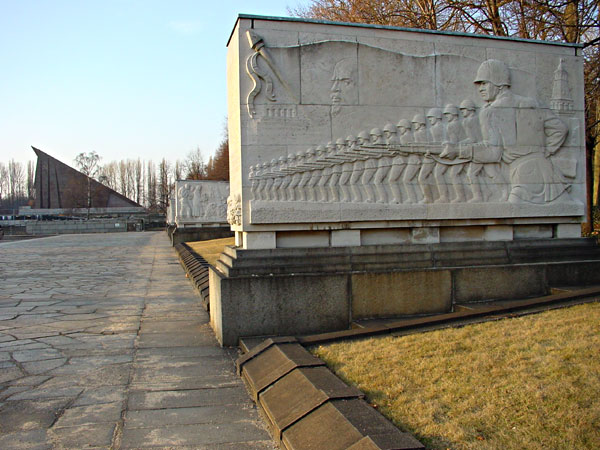
Monuments celebrating Soviet power are symbols of imperialism and totalitarianism, not liberation. Their presence in public spaces perpetuates historical falsehoods and glorifies organized evil. Like Nazi or Confederate memorials, they belong in museums, not city squares. Latvia’s decision to dismantle one is praised as morally necessary.

#188: What Is “The West” Today? From “Civilization” to Cooperation

The concept of “the West” is exposed as a shifting, often incoherent construct. Through maps and institutional analysis, the post argues that alliances, development, and democratic values—not geography or culture—define modernity. The term “West” ultimately collapses under scrutiny, revealing global interdependence and the need for cooperation over division.

#187: Words Are Not Violence

Equating speech with violence undermines both free expression and the clarity of moral judgment. Verbal offense is not physical harm, and disproportionate responses—like Will Smith’s slap—reflect a failure to distinguish registers. Art and critique must provoke; censorship breeds resentment and stifles growth.

#186: Salman Rushdie and the Case for Free Speech

Free speech must be defended absolutely, regardless of content or offense. The attack on Rushdie echoes historical efforts to silence dissent, from Giordano Bruno to modern authoritarian regimes. Without free expression, democracy, culture, and progress collapse. The choice is stark: liberty or repression.

#185: Poem: Sometimes, There’s Nothing To Say

A quiet lament on the futility of speech in a world deafened by noise and indifference. The speaker wrestles with the impulse to scream, the burden of awareness, and the fear of reminding others of their own helplessness. Silence becomes both refuge and resistance.

#184: Anecdotal Thinking, Science, Religion, and Policy

Anecdotes distort public understanding of science and policy. The post critiques emotional reasoning in debates about religion, health, and governance, arguing for evidence-based thinking. While stories can inspire, they must not replace rigorous analysis in shaping collective decisions.

#183: What Are Russians Thinking?

Russian public opinion is shaped by propaganda, fear, and historical trauma. The post explores how narratives of victimhood and imperial pride obscure moral responsibility. Understanding this mindset is key to countering authoritarianism and supporting democratic reform.

#182: Reflections on Identity, Purpose, and the Active Life

Identity is not fixed but forged through action, reflection, and engagement with others. The post draws on philosophical traditions to argue that purpose emerges from lived experience, not abstract ideals. A meaningful life requires both introspection and outward commitment.

#181: Are We too Stupid for the Internet?

Digital culture rewards outrage, misinformation, and shallow engagement. The post critiques algorithmic manipulation and the erosion of attention spans, warning that democracy and reason are at risk. Reclaiming the internet requires deliberate effort to foster depth, nuance, and truth.

#180: Let Biden Be Biden

Biden’s political style—empathetic, pragmatic, and institutionally grounded—is defended against calls for radical transformation. The post argues that incrementalism and coalition-building are strengths, not weaknesses, in a polarized democracy. Leadership must reflect both conviction and restraint.

#179: Ecce Homo: Wokeness Beyond Caricatures

Wokeness is reframed as a call to critical compassion—an ethical stance rooted in self-awareness, social justice, and urgency. Rather than a caricature, it’s presented as a moral imperative to confront societal flaws with grace and resolve. Justice, not retribution; inclusion, not exclusion; hope, not cynicism.

#178: Russia Deserves Better

Putin’s regime is weakening Russia through repression, propaganda, and war. The illusion of strength masks economic decline, diplomatic isolation, and moral failure. Democracy is not alien to Russian culture—it’s a suppressed possibility. A better future requires rejecting imperialism and embracing dignity, accountability, and reform.

#177: Thinking Beyond Caricatures

Complexity is essential to understanding both ideas and people. Moral and political debates suffer when reduced to slogans or caricatures. True engagement demands humility, historical awareness, and intellectual rigor. Democracy requires expertise, not just opinion; knowledge must be earned, not assumed.

#176: Get Brexit Undone

Brexit has fractured the UK, weakened its global influence, and endangered peace in Northern Ireland. Cultural exceptionalism and political brinkmanship drove the decision, but its consequences are destabilizing. Rejoining Europe is framed not as surrender but as strategic recovery and moral clarity.

#175: The Metaverse Is Not The Solution

The metaverse deepens corporate control and digital superficiality. Unlike the participatory ethos of Web 1.0, it commodifies creativity and isolates users in gamified echo chambers. Technological progress must empower, not pacify; reclaiming digital agency requires resisting entertainment-driven distraction.

#174: Climate Change Can Only Be Countered With Technological Innovation

Moral appeals and lifestyle changes are insufficient. Only large-scale technological solutions—renewable energy, carbon capture, geoengineering—can meet the urgency of climate collapse. Innovation must be prioritized over nostalgia or denial, and policy must reflect planetary-scale thinking

#173: Putin and Lavrov Demonstrate the Weakness of Today’s Russia

Russia’s leadership reveals insecurity through aggression and delusion. Lavrov’s rhetoric and Putin’s war expose a regime clinging to imperial myths while alienating allies and undermining its own future. Strength is not measured by conquest but by stability, legitimacy, and global respect.

#172: Poem: The Fleeting Self

A lyrical meditation on impermanence and identity. The self is portrayed as transient, shaped by memory, time, and reflection. The poem evokes a quiet melancholy, affirming the beauty of change and the necessity of letting go.

#171: Writing as Witnessing

Writing is an act of moral testimony. It preserves truth, confronts injustice, and affirms human dignity. In times of war and repression, the written word becomes resistance—bearing witness to suffering and refusing silence.

#170: Sanctions Against Russia Are Working – And Need to Be Even Stronger

Economic pressure is slowly eroding Russia’s capacity for war. Sanctions are painful but necessary, and their long-term impact will be decisive. The West must remain united and escalate measures to ensure accountability and deter future aggression.

#169: What Russia Claims to Want Is Irrelevant Now

Russian demands are dismissed as manipulative and incoherent. The regime’s actions—war crimes, propaganda, and imperial aggression—have forfeited its credibility. Negotiation is impossible without accountability. The only meaningful response is resistance, not appeasement.

#168: Why Must Ukraine Win?

Ukraine’s victory is essential to defending democracy, human rights, and international law. A Russian win would embolden authoritarian regimes and destabilize global order. Supporting Ukraine is not just strategic—it’s a moral imperative to protect freedom and resist tyranny.

#167: The Pseudo-Problem of Theodicy and the Nature of Divinity

Theodicy is reframed as a human misunderstanding of divinity. Good and evil are anthropocentric categories, and expecting divine justice reflects unrealistic projections. God, if anything, must be understood as transcending human attributes and concerns. Justice is our responsibility—not a divine guarantee.

#166: Reflections on Memorial Day

Memorial Day is honored as a moment to recognize the sacrifices made for freedom and democracy. While American foreign policy has flaws, its role in liberating Europe and defending human rights is affirmed. Patriotism, when grounded in humility and truth, remains vital.

#165: Realpolitik Is About Appeasing Power, not Reality or Morality

Realpolitik is critiqued as a cynical framework that prioritizes power over principle. It often enables authoritarianism by ignoring justice and truth. Moral clarity and democratic values must guide foreign policy, not transactional pragmatism.

#164: The Answer to Death is Life

Death is confronted not with despair but with affirmation. Life must be lived fully, ethically, and creatively in the face of mortality. Meaning arises from action, love, and the refusal to surrender to nihilism.

#163: Putin’s Russia Celebrates Its Own Fascism

Russia’s Victory Day celebrations are exposed as glorifications of authoritarianism and historical distortion. The regime weaponizes memory to justify aggression and suppress dissent. True antifascism requires rejecting Putin’s imperial narrative and defending democratic truth.

#162: Seize the Day

Urgency is framed as a moral necessity. In times of crisis, hesitation enables injustice. Action, even imperfect, is better than paralysis. The call is to live deliberately, resist complacency, and shape history through courage.

#161: Poem: We All

A poetic reflection on shared vulnerability and interconnectedness. The piece affirms that all beings—human and nonhuman—are bound by mortality, longing, and the need for compassion. Unity is found in fragility.

µ#9: Erratic Attempts YouTube Channel

Announces new content on the YouTube channel, including reflections on politics, philosophy, and culture. Invites viewers to engage with multimedia extensions of the blog’s themes.

#160: Victim Blaming Par Excellence: Russia Complains About Those Helping Ukraine

Russia’s accusations against Western aid to Ukraine are condemned as hypocritical and manipulative. The regime blames others for its own aggression, twisting narratives to justify war. Supporting Ukraine is framed as a defense of truth and justice.

#159: Stop the Ukrainian Genocide

Russia’s actions in Ukraine meet the criteria for genocide: systematic killing, targeting of civilians, and ideological justification. The West must stop equivocating and act decisively. Failure to intervene risks repeating the moral failures of past genocides.

µ#8: Will Smith Apologized; Let It Go

The slap at the Oscars was wrong, but Smith apologized. Continuing to vilify him reflects a punitive culture obsessed with moral purity. Forgiveness and proportionality are essential to public discourse. Let the apology stand.

#158: Russia’s Entire “Special Operation” Is a War Crime

The invasion of Ukraine violates international law and basic human decency. Civilian infrastructure is targeted, atrocities are committed, and propaganda masks aggression. Calling it a “special operation” is a cynical euphemism for state-sponsored terror.

#157: Liars Lie. Stop Believing Putin and Lavrov

Putin and Lavrov have repeatedly lied about Crimea, Donbass, NATO, and Ukraine. Expecting honesty from proven liars is naïve. Their words are strategic tools of manipulation, not diplomacy. Belief in their narratives enables further violence.

#156: Politics, Arts and Sports: Some Erratic Reflections

Art and performance are inherently political. Silence in the face of tyranny is complicity. Artists like Gergiev and Riefenstahl illustrate the spectrum from resistance to propaganda. True art demands introspection and moral clarity.

#155: Dear Russia: Make It Stop

A direct appeal to Russian citizens to reject the war and reclaim their dignity. The regime’s brutality is not inevitable—it’s a choice. Resistance is possible, and silence is no longer defensible.

#154: Against Putin: Yes. Against Russia: No.

Criticizing Putin does not mean condemning all Russians. The distinction is vital. Many Russians oppose the war and suffer under the regime. Moral clarity requires targeting authoritarianism, not entire populations.

#153: The Monstrosity of Vladimir Putin: We Have Learned Nothing From History

Putin’s actions echo the worst crimes of the 20th century. The West’s appeasement and delay mirror past failures to confront fascism. History demands vigilance, not nostalgia. Evil must be named and resisted.

#152: Democracy vs. Tyranny, or: How Does It Feel to Live in a Dictatorship?

Living under dictatorship means fear, censorship, and moral compromise. The post contrasts democratic values with authoritarian control, urging readers to appreciate and defend their freedoms before they’re lost.

#151: Putin Is a Fascist per Definition

Putin’s regime meets the criteria of fascism: ultranationalism, suppression of dissent, glorification of violence, and cult of personality. Denial of this reality enables complicity. The label is not rhetorical—it’s descriptive.

#150: Poem: Nunc Est

A poetic invocation of urgency and presence. The speaker calls for action in the face of despair, affirming that the time to live, resist, and create is now. “Nunc est” becomes both mantra and moral imperative.

#149: As Putin Is Orchestrating to Commit Genocide…

Putin’s war tactics in Ukraine—targeting civilians, denying national identity, and justifying violence through ideological narratives—are framed as genocidal. The moral and legal threshold has been crossed. The West must stop equivocating and act decisively to prevent further atrocities.

#148: Putin Does Not Care About Russia. It’s a Russian Leader’s Tradition

Russian leadership has long sacrificed its own people for imperial ambitions. Putin continues this tradition, prioritizing territory and power over human life. His war against Ukraine harms both Ukrainians and Russians, revealing a deep contempt for democracy and dignity.

#147: Why Should We Care About Ukraine? A Pragmatic Answer

Supporting Ukraine is not just a moral duty—it’s a strategic necessity. Western strength lies in alliances and shared values. Defending Ukraine affirms democracy, stability, and global credibility. The choice is stark: uphold freedom or enable authoritarian expansion.

#146: The Fall of the Soviet Union Was the Greatest Event of the Late 20th Century

Contrary to Putin’s claims, the collapse of the Soviet Union ended a brutal, imperial regime. The USSR was built on repression, genocide, and ideological tyranny. Its fall liberated millions and opened paths to democracy. Nostalgia for it insults the victims of its violence.

#145: Putin Has Never Been Threatened By NATO

Claims that NATO threatens Russia are false. NATO’s expansion has been defensive, not aggressive. No treaty promised non-expansion, and no offensive troops have been stationed near Russia. Putin fears NATO because it blocks his imperial ambitions—not because it poses a real threat.

#144: Putin’s War Against Ukraine Is a War Against All of Us

The invasion of Ukraine is an attack on democracy, truth, and international law. It threatens global stability and moral order. Standing with Ukraine is not optional—it’s a defense of shared values and the future of free societies.

#143: The Madness of the Czar: Putin’s Incoherent Speech

Putin’s justification for war is riddled with historical distortions, paranoia, and imperial nostalgia. His rhetoric reveals a dangerous detachment from reality and a deep hostility toward democratic norms. The speech is a manifesto of authoritarian delusion.

#142: Oh, Canada…

Canada’s progressive image is challenged through a critique of environmental policy, indigenous rights, and civil liberties. Trudeau’s support for pipelines—especially through First Nations territories—is framed as environmental destruction and disregard for native sovereignty. Emergency powers invoked during the trucker protests raise concerns about free speech and proportionality. The romanticization of Canada by American liberals is questioned, suggesting that idealism often ignores uncomfortable realities. The grass isn’t always greener—it’s just differently mowed.
#141: Is Wearing a Star of David Labeled “Unvaccinated” Anti-Semitic?

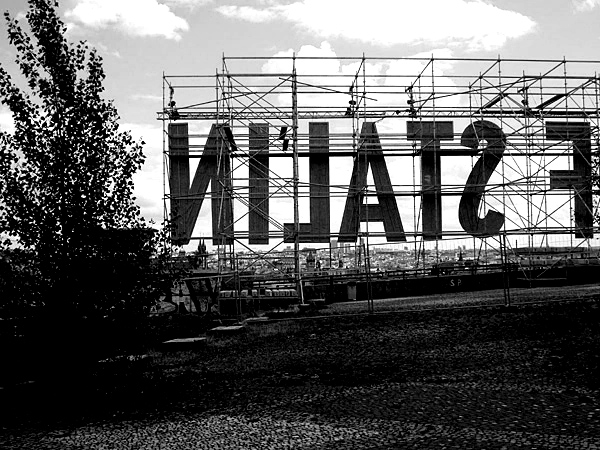
Equating vaccine resistance with Holocaust victimhood is condemned as deeply offensive. The misuse of Jewish symbols trivializes genocide and distorts history. True dissent must be grounded in reason and respect—not appropriation and false martyrdom.

#140: We Need Vaccine Mandates After All

Vaccine mandates are defended as necessary for public health and social responsibility. Individual freedom must be balanced against collective safety. The post critiques misinformation and argues that mandates protect the vulnerable and uphold ethical governance.

#139: Nature Demands Humility: Lessons from Jurassic Park World

Jurassic Park is more than entertainment—it’s a cautionary tale about hubris. Human attempts to control nature inevitably backfire. The films illustrate how technological arrogance and corporate greed ignore ecological complexity. Real-world parallels abound, from climate change to pandemics. Nature isn’t ours to dominate; it demands respect.

#138: The West Is not Weak, But It Has Lacked Commitment

Western democracies have failed not due to weakness but due to apathy, short-term thinking, and moral fatigue. Afghanistan’s collapse is emblematic of a broader failure to follow through. Democracy requires sustained effort, not just rhetoric. Putin’s aggression is a wake-up call: values must be defended, not assumed.

#137: Live Every Day in Love

Mortality is inevitable, but meaning is found in love. Life’s purpose isn’t grand achievement—it’s the daily choice to love deeply, patiently, and without judgment. Love is the center that holds amid uncertainty. If death comes after love, it’s a good day to die.
#135: Conspiracy Belief, Science, Ego and Humility

Rejecting expertise in favor of personal intuition reflects ego, not insight. Scientific consensus exists for a reason: complexity demands specialization. The Dunning-Kruger effect explains why the least informed often feel most confident. True wisdom begins with humility and trust in collective knowledge.

#134: If People Apologize for Their Mistake, They Should Not Be Cancelled

Cancel culture punishes growth. Public apologies should be met with grace, not exile. Redemption is part of democratic discourse. Holding people accountable is necessary—but forgiveness is what makes accountability meaningful.

#133: Am I Really Not Paying Attention If I Am Not Outraged?

Outrage is not the only valid response to injustice. Thoughtfulness, reflection, and strategic action matter more than performative anger. Constant outrage can numb empathy and distort priorities. Attention must be sustainable, not reactive.

#132: My Tablet Told Me to Try a Bedtime Alarm to Get More Sleep

Technology’s nudges toward healthier habits are well-intentioned but often ineffective. Sleep hygiene requires more than reminders—it demands lifestyle change. The post reflects on digital interventions and the deeper need for self-awareness and discipline.

#131: Please Stop this Fascination with End-Times Rhetoric

Apocalyptic thinking distorts reality and undermines constructive action. Whether religious or political, end-times narratives breed fatalism and paranoia. The world is not ending—it’s evolving. Urgency must be grounded in hope, not despair.

#130: German Hypocrisy: How to Claim to be a Moral Leader While Acting Like an International Free-Loader. A Polemic

Germany’s reluctance to support Ukraine and invest in defense is critiqued as moral posturing without substance. The country benefits from global stability while avoiding responsibility. True leadership requires sacrifice, not just rhetoric. Europe’s future depends on shared commitment.

#129: Pets Teach Empathy and How to Live

Animals communicate through emotion, gesture, and presence. Learning to understand them teaches empathy more effectively than most human interactions. Living with pets reveals the depth of nonverbal connection and reminds us that simplicity, care, and mutual recognition are the foundations of a meaningful life.

#128: Russia Is Part of the West

Russia’s cultural legacy—music, literature, art, science—is deeply intertwined with Western civilization. Rejecting Russia as culturally alien fuels geopolitical tension. Acknowledging shared heritage could foster cooperation and reduce paranoia. Political opposition to Putin must be distinguished from cultural exclusion.

#127: We Cannot Overcome Racism If We Talk About “Race” all the Time

Race is a social construct born of colonial exploitation. Constantly invoking racial categories reinforces the divisions that racism depends on. The focus should shift to dismantling racist structures, not reifying race itself. True progress requires seeing people as individuals, not as representatives of invented groups.

#126: NATO Is Not Threatening Russia, and Putin Knows It. Some Thoughts on Solutions.

NATO’s expansion was voluntary and legal, driven by countries seeking protection from past Soviet aggression. Russia’s claims of threat are propaganda. A path forward could include diplomatic solutions, shared governance models, and even joint NATO membership—if Russia embraces democratic norms.

#125: Eliminating the Filibuster Is Political Stupidity

The filibuster protects minority voices and forces compromise. Removing it risks destabilizing the U.S. political system and empowering transient majorities. Long-term governance requires bipartisan cooperation, not short-term victories. Stability depends on respecting institutional safeguards.

#124: Happy New Year 2022!

A brief reflection on the passage of time and the hope for renewal. The post encourages readers to embrace change, cultivate gratitude, and remain committed to truth and empathy in the year ahead.