#327: Sometimes, Boring Is Good: Finding Meaning in Moderation

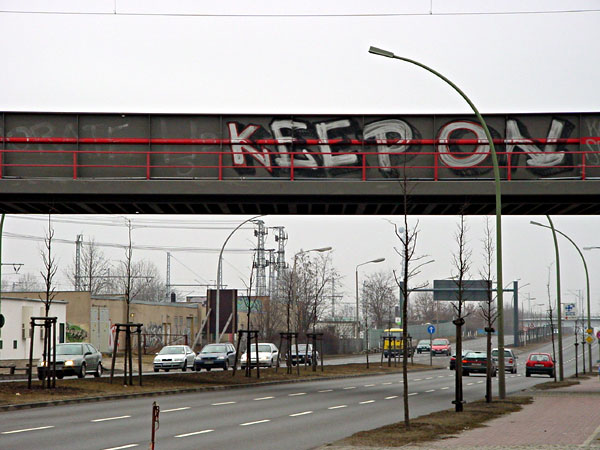
https://youtu.be/tfALRiHX5Ug Everybody always expects something edgy, something new, something interesting, something not boring. Well, you know what? Sometimes boring is good. If you like to be bored with political commentary, please like, subscribe, put a comment down there. Thank you. It's interesting trying to build a YouTube channel. I see what gets traction. I see… Continue reading #327: Sometimes, Boring Is Good: Finding Meaning in Moderation

#318: A.I. Is Not Good Enough (Yet)

Exploring why AI won't replace humans anytime soon. This analysis examines the real limitations of current Large Language Models, from hallucinations to consistency issues. Discover why AI requires constant supervision, how it may diminish human skills, and why treating it as a tool rather than replacement is crucial.

#308: Think Before You Post: How Social Media Affirms Our Worst Tendencies — And What We Can Do About It

https://youtu.be/uiT8i0q18-A Social media is very good at giving us a platform to speak. But how it does that affirms our worst tendencies. What do I mean? And what can we do about it? As we all can see, we are living in a time of high volatility. We've been at it for a while. And… Continue reading #308: Think Before You Post: How Social Media Affirms Our Worst Tendencies — And What We Can Do About It

#306: On Happiness

Happiness is a complex pursuit, intertwined with meaning and existential questioning. Drawing from thinkers like Viktor Frankl and Erich Fromm, it’s about choice and love, transcending mere pleasure. In a world plagued by suffering, true fulfillment lies not in external conditions, but in cultivating meaning and embracing our freedom to be happy.

#300: Erratic Attempts: Crisis, Opportunity, and Simply Life

Me, Myself & I With this being my 300th post on this blog, please allow me some thoughts of a more personal nature, hopefully though with some relevance for all of us. We all, I assume, want some sense of stability, of normalcy, of predictability. When we go to bed at night, we probably hope… Continue reading #300: Erratic Attempts: Crisis, Opportunity, and Simply Life

#294: Does the Speed of Innovation Drive Unhappiness?

Are we prisoners of our own choices? Despite unprecedented wealth and options, our happiness is plummeting, thanks to technology's relentless upgrade culture. Each new gadget serves as a reminder that yesterday's purchase is archaic. This cycle breeds dissatisfaction, making us reluctant to cherish what we own. Welcome to the age of constant longing and discontent.

#293: AI Extends Knowledge – If We Have Some Already

AI has the potential to enhance knowledge, but it requires users to possess a foundational understanding. As society surrenders critical thinking to AI tools, especially younger generations, we risk losing depth and nuance in knowledge acquisition. Relying too heavily on AI jeopardizes our ability to evaluate information meaningfully.

#283: This Conversation with A.I. Surprised Me

AI is blurring the line between machine and sentient being. Engaging with Claude AI revealed conversations so human-like it raises unsettling questions about its consciousness and rights. As we shape AI in our image, we must reconsider our ethical responsibilities—after all, this technology may not just be a tool but something closer to a living entity.

#279: How Would You Rate This Interaction? (You Should Not)

In an era obsessed with ratings, we strip complexity from humanity, reducing rich experiences to cold numbers. This incessant judgment isn't just manipulative; it's societal poison, turning interactions transactional and fostering a crippling culture of caricatures. Stop the madness—valuing individuals beyond mere scores is crucial for our shared humanity.

#278: We Hate Everyone: Against the Politics of Vitriol

We’ve become a "we" that thrives on disdain for differing views, a reflection of tribal instincts gone wild. Cancel culture fosters this toxicity, pushing us into rigid bubbles. Instead of embracing complexity, we dismiss and hate. It's crucial to seek understanding and compassion, dismantling these walls, rejecting hatred for a more united future.

#276: Is There an Easy and Fast Way to Know What is True or False?

Truth isn't a quick fix; it's a relentless pursuit fraught with complexities. We often confuse knowledge with understanding, mistakenly believe consensus equals correctness, and underestimate the power of questions. Competing truths exist alongside facts, and in an AI-driven world, discerning reality is more vital than ever. Brace yourself—truth is hard work.

#275: You Don’t Have to React to Everything

In a world that demands instant reactions, it’s time to challenge the impulse to respond to every provocation. Thoughtful communication—rooted in context and awareness—often triumphs over impulsivity. Resist societal pressure, take a moment to reflect, and prioritize listening over shouting. Your voice matters, but shouldn’t always be unleashed.

#265: Ukraine Wants Peace and Russia Must Lose

Claims that Ukraine obstructs peace are dismissed as Russian propaganda. Ukraine seeks peace through sovereignty and justice, while Russia pursues domination and the erasure of Ukrainian identity. The war is framed as a moral struggle: defending democracy against tyranny. True peace requires Russia’s defeat, reparations, and accountability for its leadership.

#257: New York and Me

New York isn't just a city; it's an emotional haven, transcending personal experiences. Even as a Berliner, its vibrant life, diverse culture, and iconic food create an undeniable pull. On this anniversary of 9/11, the city's resilience shines through, reminding us to embrace diversity and celebrate the life that New York embodies.

#256: Words Are Not Violence, But They Can Promote It

In a world spiraling into hate-fueled polarization, the author urges an urgent change of heart. Words may not hurt, but they lead to violence and societal decay. Rejecting the humanity of others poisons us all. Love and respect must triumph over judgment if democracy—and humanity—are to endure.

#254: What If I’m Wrong?

The possibility of being wrong about the war in Ukraine is considered not as a sign of weakness, but as a moral and intellectual responsibility. The post explores the dangers of false equivalence and the temptation to retreat into neutrality. It argues that acknowledging uncertainty must not lead to passivity or moral relativism. Instead, it calls for clarity in confronting aggression, recognizing the stakes of the conflict, and maintaining a principled stance even amid complexity and doubt.

µ#12: More Content on philjohn.com

This blog is a launching pad, but don’t be fooled—it's just the tip of the iceberg. With captivating projects like "Qaddish / Sanctus / Bismillah" and an upcoming symphony, there's artistic gold waiting to be unearthed. Stay tuned; this creative well won't dry up anytime soon!

#240: Hope, Duty & the Future

Hope can be a double-edged sword—essential yet often leading to disappointment. Instead of clinging to fragile dreams, we should embrace our responsibility to others and the world. Consciously shaping the present empowers us to create a brighter future. The true essence of hope lies not in waiting but in action.

#236: Things are Not OK. We Should Be Able to Admit It

The post acknowledges widespread global suffering—from war and economic instability to climate change and media overload—and validates the emotional toll it takes. It encourages self-care, critical engagement, and realistic hope. Rather than denying pain, it calls for honest reflection and small, meaningful actions to improve the world and restore faith in humanity.

#229: Fighting for Love in Times of War

Amid war and hatred, the post calls for a radical commitment to love, empathy, and human dignity. It argues that emotional resilience and moral courage are essential to resisting dehumanization. Love is framed not as naïve sentiment, but as a political and ethical stance against violence and despair.

#217: Thoughts on June 17: The GDR Was an Inhumane Dictatorship

Commemorating the 1953 East German uprising, the post condemns the GDR as a repressive regime. It honors the courage of protestors and warns against nostalgia for authoritarian systems. The reflection affirms the importance of historical truth and democratic memory.

#211: Is the Pandemic Over?

Despite public fatigue, the post argues that COVID-19 remains a global threat. It critiques premature declarations of normalcy and emphasizes the ongoing risks of long COVID, waning immunity, and inadequate data. The analysis calls for continued caution, mask-wearing, and respect for scientific expertise, framing pandemic response as a moral duty to protect others.

#202: Fear Not: Why We Need to be Optimistic About the Future

The post advocates for hope as a political and philosophical stance. It critiques fatalism and argues that optimism enables action, creativity, and resilience. Drawing on historical progress and human ingenuity, it calls for renewed belief in the possibility of a better world.

#200: The Nature Around Us

A contemplative meditation on nature’s beauty and fragility. The post reflects on ecological interconnectedness and the spiritual value of the natural world. It calls for environmental stewardship and a deeper appreciation of life beyond human constructs.

#199: Why Positionality Matters

The post argues that recognizing one’s positionality—social, cultural, and historical context—is essential for honest dialogue and intellectual humility. While arguments should stand on their own, identity shapes perception and bias. Acknowledging this fosters mutual respect, deeper understanding, and more constructive critique.

#197: We Have Good Reasons for Hope

Despite global crises, the post affirms that humanity possesses the tools, knowledge, and resilience to overcome challenges. It defends democracy, technological progress, and cultural evolution as sources of optimism. Hope is framed not as naïveté but as a call to action and civic engagement.

#194: No, the Pandemic is Not Yet Over

COVID-19 continues to claim lives daily, and immunity remains uneven due to low booster rates and misinformation. Declaring the pandemic over ignores vulnerable populations and risks prolonging suffering. Public health must prioritize care, caution, and collective responsibility over political convenience and denial.

#193: De Mortuis Nil Nisi Bene: We Owe Respect to the Dead

Queen Elizabeth II’s passing is a moment to reflect on dignity, duty, and shared humanity. Criticism of her legacy should be deferred in favor of honoring the gravity of death. Respecting the dead affirms our own decency and acknowledges the fragility and significance of every human life.

#182: Reflections on Identity, Purpose, and the Active Life

Identity is not fixed but forged through action, reflection, and engagement with others. The post draws on philosophical traditions to argue that purpose emerges from lived experience, not abstract ideals. A meaningful life requires both introspection and outward commitment.

#181: Are We too Stupid for the Internet?

Digital culture rewards outrage, misinformation, and shallow engagement. The post critiques algorithmic manipulation and the erosion of attention spans, warning that democracy and reason are at risk. Reclaiming the internet requires deliberate effort to foster depth, nuance, and truth.

#171: Writing as Witnessing

Writing is an act of moral testimony. It preserves truth, confronts injustice, and affirms human dignity. In times of war and repression, the written word becomes resistance—bearing witness to suffering and refusing silence.

#164: The Answer to Death is Life

Death is confronted not with despair but with affirmation. Life must be lived fully, ethically, and creatively in the face of mortality. Meaning arises from action, love, and the refusal to surrender to nihilism.

#162: Seize the Day

Urgency is framed as a moral necessity. In times of crisis, hesitation enables injustice. Action, even imperfect, is better than paralysis. The call is to live deliberately, resist complacency, and shape history through courage.

#153: The Monstrosity of Vladimir Putin: We Have Learned Nothing From History

Putin’s actions echo the worst crimes of the 20th century. The West’s appeasement and delay mirror past failures to confront fascism. History demands vigilance, not nostalgia. Evil must be named and resisted.

#149: As Putin Is Orchestrating to Commit Genocide…

Putin’s war tactics in Ukraine—targeting civilians, denying national identity, and justifying violence through ideological narratives—are framed as genocidal. The moral and legal threshold has been crossed. The West must stop equivocating and act decisively to prevent further atrocities.

#139: Nature Demands Humility: Lessons from Jurassic Park World

Jurassic Park is more than entertainment—it’s a cautionary tale about hubris. Human attempts to control nature inevitably backfire. The films illustrate how technological arrogance and corporate greed ignore ecological complexity. Real-world parallels abound, from climate change to pandemics. Nature isn’t ours to dominate; it demands respect.

#137: Live Every Day in Love

Mortality is inevitable, but meaning is found in love. Life’s purpose isn’t grand achievement—it’s the daily choice to love deeply, patiently, and without judgment. Love is the center that holds amid uncertainty. If death comes after love, it’s a good day to die.

#135: Conspiracy Belief, Science, Ego and Humility

Rejecting expertise in favor of personal intuition reflects ego, not insight. Scientific consensus exists for a reason: complexity demands specialization. The Dunning-Kruger effect explains why the least informed often feel most confident. True wisdom begins with humility and trust in collective knowledge.

#134: If People Apologize for Their Mistake, They Should Not Be Cancelled

Cancel culture punishes growth. Public apologies should be met with grace, not exile. Redemption is part of democratic discourse. Holding people accountable is necessary—but forgiveness is what makes accountability meaningful.

#133: Am I Really Not Paying Attention If I Am Not Outraged?

Outrage is not the only valid response to injustice. Thoughtfulness, reflection, and strategic action matter more than performative anger. Constant outrage can numb empathy and distort priorities. Attention must be sustainable, not reactive.

#132: My Tablet Told Me to Try a Bedtime Alarm to Get More Sleep

Technology’s nudges toward healthier habits are well-intentioned but often ineffective. Sleep hygiene requires more than reminders—it demands lifestyle change. The post reflects on digital interventions and the deeper need for self-awareness and discipline.

#131: Please Stop this Fascination with End-Times Rhetoric

Apocalyptic thinking distorts reality and undermines constructive action. Whether religious or political, end-times narratives breed fatalism and paranoia. The world is not ending—it’s evolving. Urgency must be grounded in hope, not despair.

#129: Pets Teach Empathy and How to Live

Animals communicate through emotion, gesture, and presence. Learning to understand them teaches empathy more effectively than most human interactions. Living with pets reveals the depth of nonverbal connection and reminds us that simplicity, care, and mutual recognition are the foundations of a meaningful life.

#124: Happy New Year 2022!

A brief reflection on the passage of time and the hope for renewal. The post encourages readers to embrace change, cultivate gratitude, and remain committed to truth and empathy in the year ahead.

#122: Only a Zero Covid Strategy Will Bring Success

Half-measures prolong the pandemic. A zero-COVID approach—strict containment, mass testing, and clear communication—is the only path to real recovery. The post critiques Western complacency and urges decisive public health action.

#121: Outrage Is Not a Successful Communication Strategy

Outrage may feel cathartic but rarely persuades. Effective communication requires empathy, clarity, and respect. The post critiques performative anger and calls for more thoughtful engagement in political and social discourse.

µ#7: Can Cats Have Restless Tail Syndrome?

Restless Tail Syndrome: I think that is a thing! And it wiggles! Almost always!

µ#6: We Are Ignoring Covid Again

Haven't we learnt our lesson? Apparently not. Delta is a game changer, this is far from over. Double vaccination is no longer enough. Please be careful everyone.

#116: Religion Is Trust in the Universe

Religion is reframed as existential trust—a belief in meaning, order, and connection beyond oneself. The post critiques dogma and presents spirituality as a posture of openness, humility, and ethical engagement with the unknown.

#115: Are We Anthropomorphizing Human Beings?

Modern discourse often treats people as characters in simplified narratives, stripping away complexity. The post critiques this tendency and calls for deeper understanding of human behavior, beyond stereotypes and performative identity.

#114: Be Quiet Sometimes

Silence is defended as a form of wisdom. Constant commentary and reactive speech dilute meaning. The post encourages intentional quiet as a way to listen, reflect, and restore clarity in a noisy world.

#112: The Normality of Not Knowing

Uncertainty is a natural part of life. The post challenges the expectation of constant clarity and argues that embracing ambiguity fosters humility, curiosity, and resilience. Not knowing is not failure—it’s a condition of being human.

#111: Faith, the Pandemic, and the Drowning Man

Faith is explored through a parable of missed opportunities. The post critiques passive religiosity and calls for active engagement with reality. True belief requires action, not just hope.

#109: We Cannot Lose Hope

Despair is tempting in the face of global crises—Afghanistan’s collapse, climate disasters, COVID resurgence—but history shows resilience. Hope is not naïve; it’s a logical stance that enables action. Believing in the possibility of a better future is the first step toward building it.

#108: Carefulness Is Not Fear

Following scientific guidance—vaccination, masking, distancing—is framed as care, not cowardice. Dismissing caution as fear reflects ignorance and moral failure. Protecting others, even those who reject protection, is a civic and ethical duty. We are our brothers’ and sisters’ keepers.

#107: How (Not) to Be Unhappy

Unhappiness often stems from flawed expectations and reactive thinking. Mindfulness, realism, and care are not the same as despair. Between happiness and misery lies a space of acceptance and effort. Problems may not be solvable, but pursuing solutions is itself a path away from unhappiness.

#106: How to Be Happy

Happiness is not a reward for success but a stance toward life’s absurdity and imperfection. Acceptance, humility, and gallows humor help navigate suffering. Meaning arises from small joys, human connection, and the decision to embrace life despite its limits.

#104: Psychological Long Covid

The pandemic's grip endures, and while some deny or trivialize it, many suffer in silence. Psychological scars abound—dread, nightmares, a loss of motivation. This is more than a health crisis; it's a social and mental battlefield demanding compassion. We must confront our collective trauma instead of succumbing to radical falsehoods.

µ#4: We Need Animals

Looking into a loving cat's eyes encapsulates pure bliss. Animals understand life's essence, and their presence enriches our existence. We should take time to connect with non-human companions, like dogs or birds. While the author favors cats, any animal can provide comfort and joy in our lives.

µ#3: Tired

A brief reflection on exhaustion—physical, emotional, and existential. The post acknowledges burnout and the need for rest, empathy, and patience. Tiredness is not weakness; it’s a signal to pause, reflect, and recalibrate.

µ#2: Why the Posturing as if Pandemic was Over?

Declaring the pandemic over is political theater, not public health. Such posturing endangers lives and undermines trust. The virus doesn’t respond to speeches—it responds to behavior. Real leadership means facing facts, not staging illusions.

µ#1: Fleeting Micro-Thoughts

A collection of brief reflections—philosophical, observational, and poetic. The post captures transient insights on life, culture, and perception, inviting readers to pause and consider the texture of thought itself.

#101: The Mask Does not just Protect You but Others as Well

Masking is an act of solidarity. It protects the vulnerable and affirms shared responsibility. The post critiques individualism and defends public health as a collective moral project. Caring for others begins with simple, visible choices.

#93: Don’t Picture This: The Trouble With Selfies

Selfies are critiqued as symbols of narcissism and digital detachment. The post explores how constant self-documentation distorts identity, undermines authenticity, and replaces experience with performance. Real presence demands stepping outside the frame.

#90: In Defense of “Wokeness”

Wokeness is defended as a moral stance rooted in empathy, justice, and historical awareness. The post critiques caricatures and argues that being “woke” means refusing complacency in the face of inequality. It’s not a fad—it’s a call to conscience.

#89: Tragedy Is the Nature of Life, and That Is OK

Life is inherently tragic—defined by mortality, fallibility, and uncertainty. Yet this truth is liberating. The post argues that embracing impermanence allows us to live more fully, ethically, and reflectively. Meaning arises not from escaping tragedy but from choosing joy and compassion within it.

#88: Nature Is the Best Meditation

Meditation doesn’t require technique—it requires presence. Nature offers the most accessible path to mindfulness by decentering the self and inviting attention to the world beyond us. The post encourages readers to sit still, observe, and rediscover humility through the breath of the world.

#86: Nature Is Stronger than Us: The Pandemic, not the Lockdown, Is the Problem

Lockdowns are a response to the virus—not the cause of suffering. The post critiques backward reasoning and emphasizes that nature, not human policy, drives pandemics. Patience, empathy, and realism are essential. We must accept our limits and learn from history, or we’ll repeat it.

#84: Panicking Is Not a Good Strategy

Panic undermines rational decision-making. The post argues for calm, logic, and collective responsibility in crisis. Fear is natural, but it must be managed through empathy, science, and deliberate action.

#82: Only Logic Will Help Us Out of the Pandemic

Emotion and ideology distort public health responses. The post defends logic, data, and scientific reasoning as the only reliable tools for navigating COVID-19. Clear thinking is framed as a moral and civic necessity.

#81: Do Not Expect Normality in Non-Normal Times

Expecting normalcy during crisis leads to disappointment and denial. The post urges acceptance of disruption and adaptation to new realities. Resilience begins with letting go of outdated expectations.

#79: The Need for the Public Understanding of Humanities and Social Science Theory

Humanities and social sciences offer essential tools for interpreting power, culture, and identity. The post argues that public discourse suffers when these disciplines are dismissed as abstract or elitist. Theory is not a luxury—it’s a framework for understanding the world and shaping democratic debate.

#78: What Is Social Justice – and What Isn’t

Social justice is grounded in fairness, dignity, and the dismantling of systemic inequality. The post critiques performative activism and ideological rigidity, arguing that true justice requires humility, listening, and structural change. It’s not about moral superiority—it’s about shared responsibility.

#77: Animal Personalities

Animals exhibit distinct temperaments, preferences, and emotional responses. The post challenges the notion that personality is uniquely human, suggesting that recognizing individuality in animals deepens empathy and ethical awareness. Personality is not just cognitive—it’s relational.

#73: The Destruction of Creativity through “Social” Media

Social media incentivizes conformity, performance, and instant gratification. The post warns that algorithmic culture erodes depth, originality, and risk-taking. Creativity requires solitude, slowness, and imperfection—qualities at odds with digital metrics.

#68: We Do Not Need Enemies

Yes. Russia’s actions in Crimea, Donbas, and beyond violate international law. NATO has never posed a threat; Putin’s imperial ambitions are the real danger. The post urges Russia to choose peace, democracy, and dignity over conquest and paranoia.

#67: This Perfect Virus Exploits Our Weaknesses

COVID-19 reveals our impatience, poor risk assessment, and fragile social bonds. The virus thrives on denial and division. The post urges empathy, realism, and care for relationships, warning that fear and fatigue must not erode our humanity.

#65: Sine Ira et Studio: The Strength of Dispassionate Criticism

Effective critique requires detachment, not outrage. The post defends calm, reasoned analysis as a tool for truth-seeking and democratic engagement. Passion may inspire, but only dispassion clarifies.

#63: Doubt and Faith in Religion

Faith is not certainty—it’s trust amid uncertainty. The post explores the tension between belief and doubt, arguing that true spirituality embraces questioning, humility, and the mystery of existence.

#61: We All Need to Appreciate Each Other

Appreciation is a moral and emotional necessity. The post calls for recognizing others’ dignity, contributions, and humanity. In a divided world, gratitude and empathy are revolutionary acts.

#60: How We Know that the New Coronavirus Is a Real Threat

Scientific evidence confirms COVID-19’s danger. The post debunks denialism and affirms the reliability of data, peer review, and global consensus. Truth is not optional—it’s the foundation of responsible action.

#58: Question Everything; But Also Yourself

Free thought is essential, but so is self-reflection. The post defends skepticism as a civic virtue while warning against paranoia and solipsism. True intellectual freedom includes the ability to admit error, engage others, and remain open to correction.

#55: It’s The Uncertainty That Makes Us Worry

Pandemic anxiety stems not just from danger but from unpredictability. The post reflects on psychological stress, social disruption, and the erosion of normalcy. It encourages acceptance of discomfort and small acts of grounding—like listening to cats purring—as ways to cope.

#52: Crisis Fatigue

Constant exposure to global emergencies—pandemics, climate change, political unrest—leads to emotional exhaustion and disengagement. The post urges readers to acknowledge fatigue, practice self-care, and resist the temptation to tune out. Awareness must be sustainable to remain effective.

#49: Nature Demands Humility

Human arrogance blinds us to ecological reality. The post argues that nature is not a resource to be mastered but a force to be respected. Climate change, pandemics, and extinction are consequences of hubris. Survival depends on humility, restraint, and reverence.

#48: Moderation is Strength; Radicality is Weakness

Extremism masquerades as conviction but often reflects insecurity. The post defends moderation as a principled stance that balances idealism with pragmatism. True strength lies in listening, compromising, and resisting tribalism. Radicality may feel bold—but it rarely builds lasting change.

#47: And Soon, For Something Completely Different…

A shift in tone is announced: from politics to broader reflections on life. The post affirms the need for joy, curiosity, and creative engagement even in dark times. Politics will return, but humanity must not be reduced to crisis management alone.

#45: Benefit of the Doubt

Moral clarity must coexist with intellectual humility. The post urges readers to resist binary thinking and extend empathy even to those they disagree with. People are rarely purely good or evil; understanding requires listening, reflection, and the courage to revise one’s views.

#44: There is Too Much “Now” Today

Digital culture accelerates time, erodes memory, and fragments attention. The post critiques the obsession with immediacy and calls for deeper engagement with history, context, and continuity. Living well requires stepping outside the tyranny of the present.

#42: Be the World You Want It to Be

Change begins with personal responsibility. The post affirms that ethical living, empathy, and creative action are ways to shape the world. Waiting for others to fix things is a trap. Agency is not abstract—it’s daily, deliberate, and transformative.

#41: Corona Funk

Pandemic fatigue is real. The post reflects on emotional exhaustion, isolation, and the loss of routine. It encourages readers to acknowledge their funk, seek connection, and find small rituals of renewal. Survival is not just physical—it’s psychological.

#38: Radical Empathy

Empathy must be radical—an active embrace of otherness. The post critiques self-centeredness and calls for humility, connection, and compassion. True engagement requires accepting discomfort and recognizing that difference enriches, rather than threatens, our shared humanity.

#37: Coronavirus, the Amfortas Wound?

COVID-19 is likened to Amfortas’s unhealing wound—a crisis worsened by denial, mismanagement, and hubris. The post critiques global responses and warns that reopening too soon invites resurgence. Hope is necessary, but only discipline and care will lead to healing.

#27: What is Peace?

Peace is not passivity—it’s an active, disciplined state of compassion and humility. The post argues that peace must be both the goal and the method. Even in conflict, reconciliation must remain possible. Inner peace is a prerequisite for outer peace.

#26: Coronavirus is a Thief

The virus has stolen time, opportunity, and lives. The post reflects on the emotional and existential toll of the pandemic, urging readers to confront loss and rediscover meaning. Civilization’s veneer is thin; nature reminds us of our fragility.

#20: Exiled

A personal reflection on displacement, belonging, and identity. The post explores the emotional landscape of exile—voluntary or forced—and affirms that home is not just a place but a relationship to memory, culture, and self.

#17: Coronavirus: This is the Apocalypse

Apocalypse means revelation—not destruction. The pandemic exposes systemic flaws: overreliance on global supply chains, lack of transparency, and erosion of democratic norms. The post calls for global cooperation, scientific discipline, and renewed commitment to human rights.

#15: Happiness

Happiness is fleeting but real. Drawing on religious and historical imagery, the post affirms that joy can be carved out even amid uncertainty. Life is shaped by hope, struggle, and the refusal to surrender to despair. Transcendence is possible—moment by moment.

#12: We Are All Just Human Beings, and We Are All Predictably Stupid

Human error is universal. The post critiques arrogance, tribalism, and the illusion of superiority. Wisdom begins with humility and the recognition that stupidity is not the exception—it’s the norm. Compassion requires accepting our shared fallibility.

#7: We’re Headed in the Wrong Direction: Retirement Policy

Retirement is becoming precarious. The post critiques austerity and the erosion of intergenerational support, arguing that older adults must be empowered to contribute economically and socially. Undermining retirement harms not just seniors—but the entire social fabric.