
Uncertainty is a natural part of life. The post challenges the expectation of constant clarity and argues that embracing ambiguity fosters humility, curiosity, and resilience. Not knowing is not failure—it’s a condition of being human.

occasional reflections on culture & politics
Uncertainty is a natural part of life. The post challenges the expectation of constant clarity and argues that embracing ambiguity fosters humility, curiosity, and resilience. Not knowing is not failure—it’s a condition of being human.

Following scientific guidance—vaccination, masking, distancing—is framed as care, not cowardice. Dismissing caution as fear reflects ignorance and moral failure. Protecting others, even those who reject protection, is a civic and ethical duty. We are our brothers’ and sisters’ keepers.

Complacency fuels viral evolution. Variants arise because we allow transmission. Magical thinking won’t end the pandemic—only global vaccination, masking, and distancing will. Fatigue is understandable, but carelessness prolongs the crisis and endangers the vulnerable.

The pandemic's grip endures, and while some deny or trivialize it, many suffer in silence. Psychological scars abound—dread, nightmares, a loss of motivation. This is more than a health crisis; it's a social and mental battlefield demanding compassion. We must confront our collective trauma instead of succumbing to radical falsehoods.

Romanticizing the lone genius undermines scientific integrity. Most breakthroughs come from collaboration and consensus. Distrusting expertise in favor of contrarianism breeds misinformation. Science is a communal pursuit, not a stage for ego.

Brexit is critiqued as a slogan masking incoherence. The phrase avoids accountability and oversimplifies complex realities. True leadership requires clarity, not repetition. The consequences of Brexit demand honest reckoning, not rhetorical deflection.

Declaring the pandemic over is political theater, not public health. Such posturing endangers lives and undermines trust. The virus doesn’t respond to speeches—it responds to behavior. Real leadership means facing facts, not staging illusions.

Masking is an act of solidarity. It protects the vulnerable and affirms shared responsibility. The post critiques individualism and defends public health as a collective moral project. Caring for others begins with simple, visible choices.

Opposing Israel’s existence under the guise of anti-Zionism is framed as a form of antisemitism. The post argues that denying Jewish self-determination while accepting it for other groups reflects a double standard. Criticism of Israeli policy is legitimate, but rejection of Israel’s right to exist crosses into bigotry.
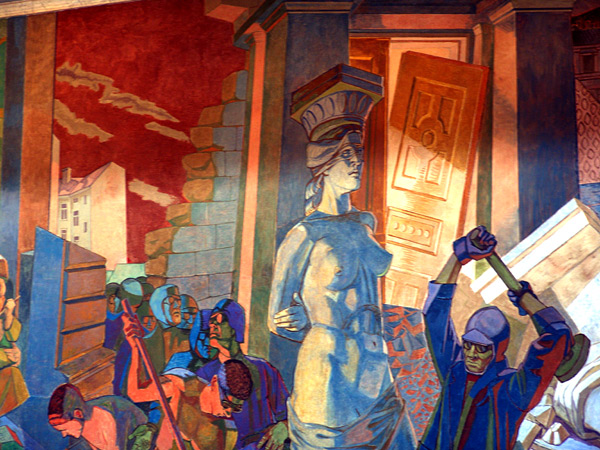
Populist leaders exploited the pandemic to undermine democratic norms, spread misinformation, and consolidate power. The post critiques anti-science rhetoric and authoritarian tendencies, warning that democracy depends on truth, transparency, and institutional resilience—especially in times of crisis.

Humanity is philosophically and politically unprepared for contact with alien life. The post explores how religious, scientific, and cultural frameworks might respond, and warns that existing divisions could hinder a unified approach. True readiness requires humility, curiosity, and global cooperation.

Media polarization erodes public trust and democratic discourse. The post calls for journalism grounded in facts, fairness, and accountability—not tribalism or clickbait. Neutral reporting is essential to informed citizenship and resisting ideological manipulation.

Both Israelis and Palestinians have legitimate claims to the land. The post rejects historical absolutism and calls for pragmatic cooperation. A federal or shared governance model is proposed as an alternative to the two-state solution. Peace requires empathy, compromise, and local ownership of the process.

Extremism is no longer confined to fringe ideologies—it has entered mainstream discourse. The post critiques absolutism, conspiracy thinking, and moral tribalism on both left and right. True political engagement requires nuance, humility, and a commitment to democratic principles.

Brexit has disrupted supply chains, increased costs, and strained UK-EU relations. The post analyzes economic consequences and argues that ideological nationalism has come at the expense of practical prosperity. Trade thrives on cooperation—not isolation.

Western alliances must expand their worldview beyond Euro-American interests. The post calls for inclusive diplomacy, recognizing the agency of non-Western nations. A truly global perspective requires listening, learning, and sharing power.

Wokeness is defended as a moral stance rooted in empathy, justice, and historical awareness. The post critiques caricatures and argues that being “woke” means refusing complacency in the face of inequality. It’s not a fad—it’s a call to conscience.

Lockdowns are a response to the virus—not the cause of suffering. The post critiques backward reasoning and emphasizes that nature, not human policy, drives pandemics. Patience, empathy, and realism are essential. We must accept our limits and learn from history, or we’ll repeat it.

Rising anti-Asian violence reflects humanity’s tendency to scapegoat and other. The post urges distinction between governments and individuals, critiques fetishization and stereotyping, and calls for solidarity rooted in shared humanity. Understanding must replace ignorance.

Panic undermines rational decision-making. The post argues for calm, logic, and collective responsibility in crisis. Fear is natural, but it must be managed through empathy, science, and deliberate action.

History is a tool for understanding—not just remembering. The post calls for better civic education to explain democracy’s value, complexity, and fragility. Without historical context, democratic ideals risk being misunderstood or abandoned.
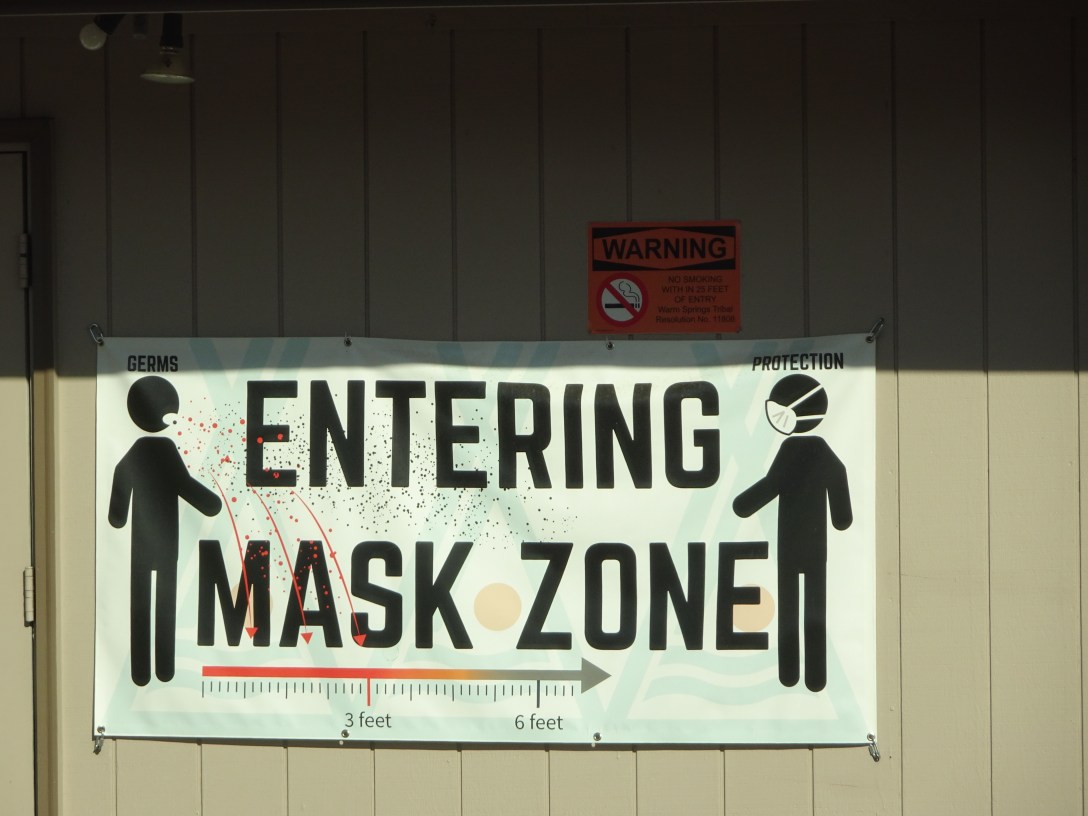
Emotion and ideology distort public health responses. The post defends logic, data, and scientific reasoning as the only reliable tools for navigating COVID-19. Clear thinking is framed as a moral and civic necessity.

Democracy depends on open discourse. The post critiques censorship, tribalism, and ideological rigidity, arguing that only through dialog can truth emerge and progress be made. Debate is not a threat—it’s a foundation.

Humanities and social sciences offer essential tools for interpreting power, culture, and identity. The post argues that public discourse suffers when these disciplines are dismissed as abstract or elitist. Theory is not a luxury—it’s a framework for understanding the world and shaping democratic debate.

Social justice is grounded in fairness, dignity, and the dismantling of systemic inequality. The post critiques performative activism and ideological rigidity, arguing that true justice requires humility, listening, and structural change. It’s not about moral superiority—it’s about shared responsibility.

Hero worship undermines collective agency. The post critiques the search for political or cultural saviors, arguing that change arises from community, not charisma. Democratic progress depends on participation, not messianic leadership. We must stop outsourcing responsibility.

Human rights violations are never purely domestic. The post rejects the idea that sovereignty excuses oppression, emphasizing that global solidarity and accountability are essential. Silence in the face of injustice—anywhere—is complicity.

Scientific thinking is empirical, provisional, and self-correcting. Mythological thinking is symbolic, moral, and narrative-driven. The post argues that both have value, but confusing them leads to epistemological chaos. Science explains; myth interprets. We need both—but must know which is which.

Media trust depends on transparency, accountability, and editorial integrity. The post critiques bias, sensationalism, and corporate influence, while defending the necessity of journalism. Trust must be earned—not assumed or rejected wholesale.

Progress is iterative, imperfect, and ongoing. The post rejects utopianism and fatalism alike, arguing that social improvement is a moral obligation. Democracy is not a finished product—it’s a process that demands constant care and renewal.
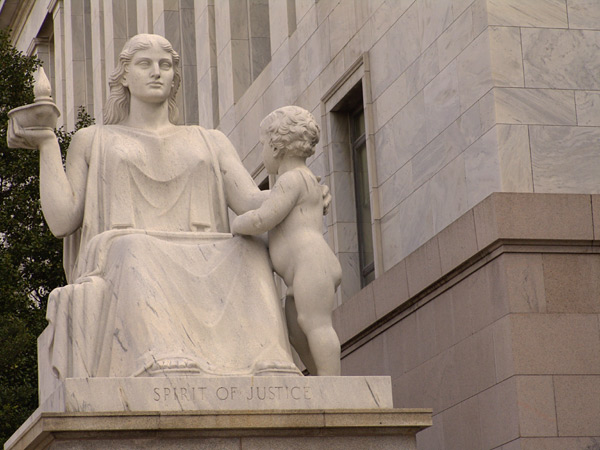
The Capitol riot was a shock, but not a collapse. Institutions held, dissent was protected, and the democratic process resumed. The post argues that the U.S. has survived worse and will endure—if it addresses the roots of discontent and recommits to democratic principles.
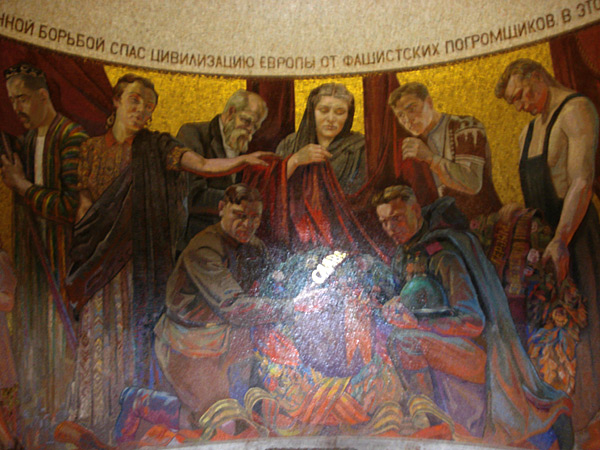
Yes. Russia’s actions in Crimea, Donbas, and beyond violate international law. NATO has never posed a threat; Putin’s imperial ambitions are the real danger. The post urges Russia to choose peace, democracy, and dignity over conquest and paranoia.

COVID-19 reveals our impatience, poor risk assessment, and fragile social bonds. The virus thrives on denial and division. The post urges empathy, realism, and care for relationships, warning that fear and fatigue must not erode our humanity.
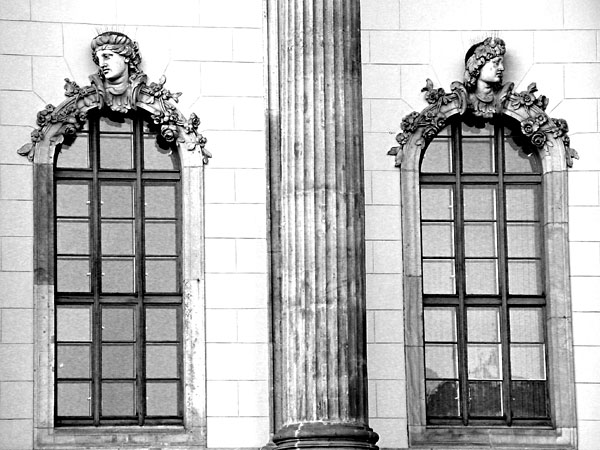
Democracy depends on truth, reason, and shared knowledge. The post defends education as essential to civic life, arguing that facts and science must guide public discourse. Without informed citizens, democracy cannot survive.
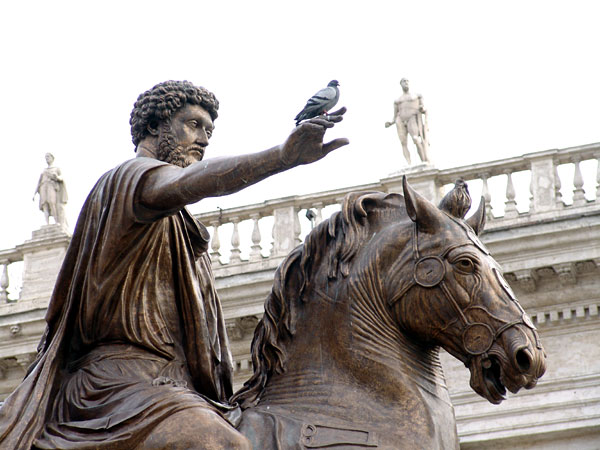
Effective critique requires detachment, not outrage. The post defends calm, reasoned analysis as a tool for truth-seeking and democratic engagement. Passion may inspire, but only dispassion clarifies.

Brexit is exposed as a nationalist fantasy that ignores economic and geopolitical realities. The post critiques the rhetoric of sovereignty and warns that isolation weakens Britain’s global standing and internal cohesion.
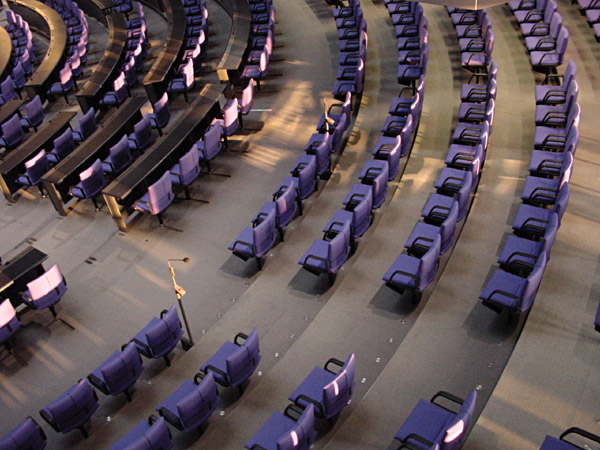
Democracy isn’t about winning—it’s about building agreement. The post defends compromise, pluralism, and institutional negotiation as the heart of democratic life. Polarization threatens this process; consensus sustains it.
Appreciation is a moral and emotional necessity. The post calls for recognizing others’ dignity, contributions, and humanity. In a divided world, gratitude and empathy are revolutionary acts.

Scientific evidence confirms COVID-19’s danger. The post debunks denialism and affirms the reliability of data, peer review, and global consensus. Truth is not optional—it’s the foundation of responsible action.

Free thought is essential, but so is self-reflection. The post defends skepticism as a civic virtue while warning against paranoia and solipsism. True intellectual freedom includes the ability to admit error, engage others, and remain open to correction.

Ethnicity is rooted in shared culture, language, and perceived lineage; race is a colonial construct used to justify exploitation. The post traces the historical misuse of racial categories and argues that while ethnicity can be fluid and self-defined, race is externally imposed and ideologically charged.

Pandemic anxiety stems not just from danger but from unpredictability. The post reflects on psychological stress, social disruption, and the erosion of normalcy. It encourages acceptance of discomfort and small acts of grounding—like listening to cats purring—as ways to cope.

Game of Thrones’ final season is interpreted as a political allegory. Daenerys embodies the seductive danger of authoritarian idealism. The post critiques the narrative arc as a warning against messianic leadership and the collapse of democratic institutions under charismatic rule.
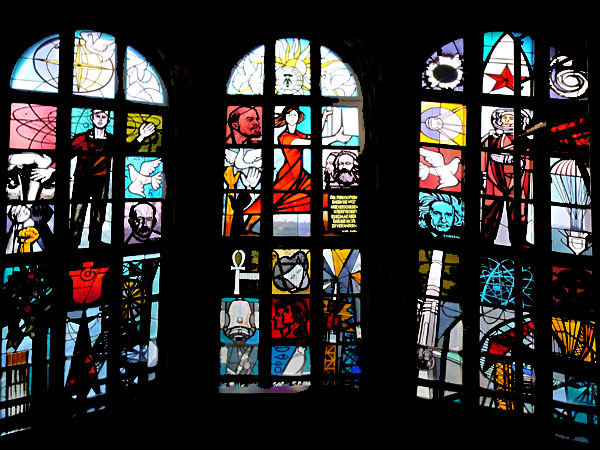
The left is defined not by dogma but by a commitment to justice, equality, and critical thought. The post explores the fragmentation of leftist politics and calls for a renewed focus on substance over identity, solidarity over purity, and pragmatism over posturing.
Constant exposure to global emergencies—pandemics, climate change, political unrest—leads to emotional exhaustion and disengagement. The post urges readers to acknowledge fatigue, practice self-care, and resist the temptation to tune out. Awareness must be sustainable to remain effective.

Polarization undermines democracy. The post critiques tribalism, ideological rigidity, and the framing of opponents as enemies. Real progress requires dialog, compromise, and a shared commitment to pluralism. Division may feel righteous—but it’s politically self-defeating.

Extremism masquerades as conviction but often reflects insecurity. The post defends moderation as a principled stance that balances idealism with pragmatism. True strength lies in listening, compromising, and resisting tribalism. Radicality may feel bold—but it rarely builds lasting change.
The binary of left vs. right is historically outdated and conceptually incoherent. The post critiques ideological labeling and calls for multidimensional frameworks that reflect real political complexity. Democracy suffers when nuance is replaced by tribal shorthand.

Moral clarity must coexist with intellectual humility. The post urges readers to resist binary thinking and extend empathy even to those they disagree with. People are rarely purely good or evil; understanding requires listening, reflection, and the courage to revise one’s views.

Digital culture accelerates time, erodes memory, and fragments attention. The post critiques the obsession with immediacy and calls for deeper engagement with history, context, and continuity. Living well requires stepping outside the tyranny of the present.
Public discourse is increasingly shaped by outrage, vilification, and performative cruelty. The post critiques media and political figures who normalize hate, warning that democracy cannot survive without decency. Naming evil is necessary—but so is resisting its methods.

Change begins with personal responsibility. The post affirms that ethical living, empathy, and creative action are ways to shape the world. Waiting for others to fix things is a trap. Agency is not abstract—it’s daily, deliberate, and transformative.

Free speech is essential—but it’s not absolute. The post explores how misinformation, hate speech, and performative outrage distort the public sphere. True discourse requires responsibility, context, and a shared commitment to truth. Liberty without ethics is chaos.
Free speech must be protected without exception—even offensive speech. The post argues that truth emerges through peaceful, respectful, and equal exchange, not censorship. Suppressing speech leads to authoritarianism. Democracy depends on allowing disagreement, not silencing it.

Empathy must be radical—an active embrace of otherness. The post critiques self-centeredness and calls for humility, connection, and compassion. True engagement requires accepting discomfort and recognizing that difference enriches, rather than threatens, our shared humanity.

COVID-19 is likened to Amfortas’s unhealing wound—a crisis worsened by denial, mismanagement, and hubris. The post critiques global responses and warns that reopening too soon invites resurgence. Hope is necessary, but only discipline and care will lead to healing.
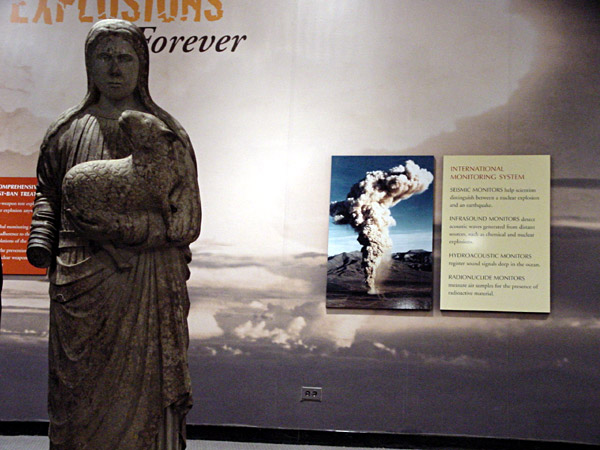
Diversity strengthens democracy by affirming equity and rejecting hierarchy. The post argues that inclusion benefits everyone and must go beyond tokenism. True citizenship requires a level playing field, not competition over recognition.
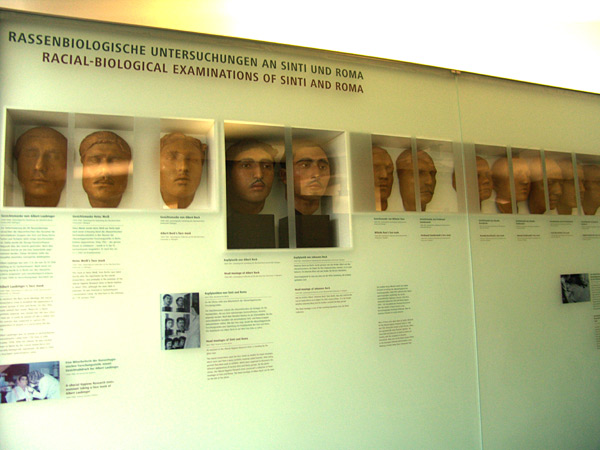
Social constructivism explains how cultural models shape perception. The post explores how race, gender, and other categories are socially constructed—not biologically fixed. These constructs influence behavior and policy, often distorting reality in service of power.

White privilege is the unearned advantage conferred by systemic norms. The post explains how privilege operates invisibly, shaping access, safety, and opportunity. Acknowledging it is not guilt—it’s a step toward justice and equity.

Race is a myth; racism is real. The post argues that racial categories are invented to justify inequality. Biology refutes race, but society enforces it through discrimination. Dismantling racism requires rejecting the fiction of race itself.

Guilt is personal; responsibility is collective. The post urges readers to move beyond defensiveness and embrace historical accountability. Justice demands reckoning with the past—not to shame, but to repair and transform.
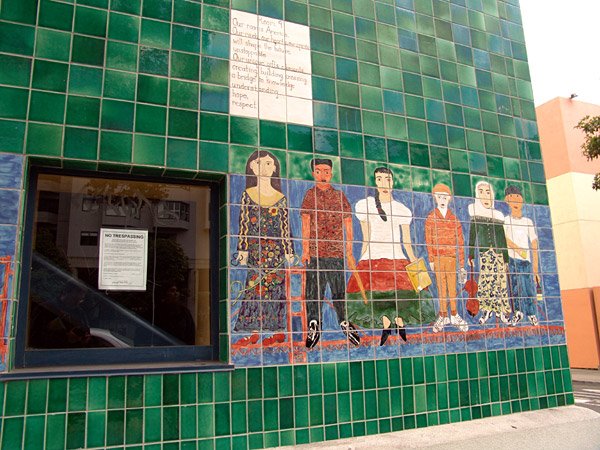
Systemic racism is embedded in institutions, laws, and cultural norms. The post explains how inequality persists through structures—not just individual bias. Addressing it requires policy change, education, and sustained civic engagement.

Racism is the belief in racial hierarchy and the practice of exclusion. The post defines it as both ideological and structural, rooted in power and history. Combating racism demands clarity, courage, and a commitment to universal dignity.

Affirming that Black lives matter does not imply exclusion—it highlights a history of systemic neglect. The post defends the movement against misrepresentation and calls for recognition, education, and peaceful reform. Racism is a global issue, and acknowledging injustice is the first step toward change.

Violence undermines moral legitimacy. The post defends civil disobedience as the most effective form of protest, citing Gandhi, King, and Thoreau. Peaceful movements succeed because they model the justice they seek. Tyrants fear nonviolence because it exposes their brutality.

Peace is not passivity—it’s an active, disciplined state of compassion and humility. The post argues that peace must be both the goal and the method. Even in conflict, reconciliation must remain possible. Inner peace is a prerequisite for outer peace.

The virus has stolen time, opportunity, and lives. The post reflects on the emotional and existential toll of the pandemic, urging readers to confront loss and rediscover meaning. Civilization’s veneer is thin; nature reminds us of our fragility.

The post categorizes pandemic-related claims by their ethical and scientific merit. Legitimate concerns include economic hardship and mental health; illegitimate ones include denialism and conspiracy theories. Public health must balance individual freedom with collective responsibility.

Conspiracies thrive on distrust and false logic. The post critiques the misuse of skepticism and defends science, transparency, and reason. True critical thinking requires evidence, humility, and openness—not paranoia and tribalism.
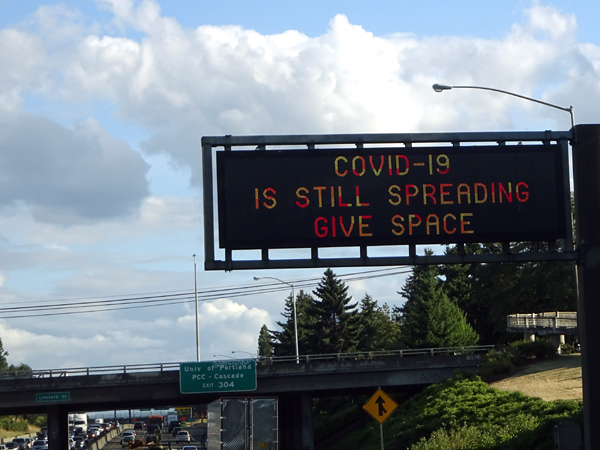
COVID-19 is not a hoax or exaggeration. The post calls for responsible behavior, respect for science, and empathy for the vulnerable. Denial endangers lives. Taking the virus seriously is a moral imperative.

Truth is not plural. The post critiques the idea of “alternative facts” and defends journalism as a public good. While bias exists, the solution is media literacy—not retreat into echo chambers. Reality must be shared to sustain democracy.

Media shape how we think, not what we think. The post explores framing, agenda-setting, and narrative influence, arguing that awareness—not rejection—is the key to navigating information. Blaming media oversimplifies complex dynamics.

A personal reflection on displacement, belonging, and identity. The post explores the emotional landscape of exile—voluntary or forced—and affirms that home is not just a place but a relationship to memory, culture, and self.

Sexual violence is widespread and often silenced. The post argues that “believe all women” means giving accusers the benefit of the doubt—not abandoning due process, but recognizing that survivors rarely speak lightly. Respecting the accuser is a moral imperative, and rigorous investigation should be welcomed by all parties.
Leftist thought must reject dogma and embrace ruthless criticism. The post traces Marx’s emphasis on intellectual freedom and warns against utopianism. True progressivism lies in democratic skepticism, not ideological purity. Social democracy, not authoritarian socialism, is the viable path forward.

Apocalypse means revelation—not destruction. The pandemic exposes systemic flaws: overreliance on global supply chains, lack of transparency, and erosion of democratic norms. The post calls for global cooperation, scientific discipline, and renewed commitment to human rights.

Democracy thrives on transparency, accountability, and trust. The post argues that open societies, despite their messiness, are best equipped to handle crises. Citizens must be treated as adults, not subjects. Science and reason—not coercion—are the sustainable tools of governance.

Europe’s strength lies in its tension between integration and independence. The post defends pluralism, subsidiarity, and the coexistence of national identity with shared values. Unity must not erase difference; disunity must not undermine solidarity.
Human error is universal. The post critiques arrogance, tribalism, and the illusion of superiority. Wisdom begins with humility and the recognition that stupidity is not the exception—it’s the norm. Compassion requires accepting our shared fallibility.

Authoritarian regimes rely on deception to maintain control. Democracies, by contrast, embrace transparency and self-correction. The post defends democratic messiness as a sign of maturity, arguing that truth and accountability are essential to legitimacy.

A meditation on the surreal stillness of lockdown. The post captures the emotional dissonance of global crisis unfolding in quiet domestic spaces. Beneath the silence, history is shifting. The absence of spectacle does not mean the absence of significance.

Dialectics is framed as a method of intellectual humility—an openness to contradiction, synthesis, and revision. The post critiques binary thinking and defends complexity as essential to truth-seeking. Real understanding requires tension, not resolution.

Retirement is becoming precarious. The post critiques austerity and the erosion of intergenerational support, arguing that older adults must be empowered to contribute economically and socially. Undermining retirement harms not just seniors—but the entire social fabric.

Democracy demands the recognition that others may know what they’re doing—even if we disagree. The post critiques tribalism and partisan arrogance, affirming that inclusion, fallibility, and dialog are the foundations of democratic life.

Victory is not domination—it’s cooperation, empathy, and shared purpose. The post argues that real success lies in building bridges, not burning them. Winning means uplifting others, not defeating them.
 Erratic Attempts