
Art and performance are inherently political. Silence in the face of tyranny is complicity. Artists like Gergiev and Riefenstahl illustrate the spectrum from resistance to propaganda. True art demands introspection and moral clarity.

occasional reflections on culture & politics
Art and performance are inherently political. Silence in the face of tyranny is complicity. Artists like Gergiev and Riefenstahl illustrate the spectrum from resistance to propaganda. True art demands introspection and moral clarity.

A direct appeal to Russian citizens to reject the war and reclaim their dignity. The regime’s brutality is not inevitable—it’s a choice. Resistance is possible, and silence is no longer defensible.

Criticizing Putin does not mean condemning all Russians. The distinction is vital. Many Russians oppose the war and suffer under the regime. Moral clarity requires targeting authoritarianism, not entire populations.
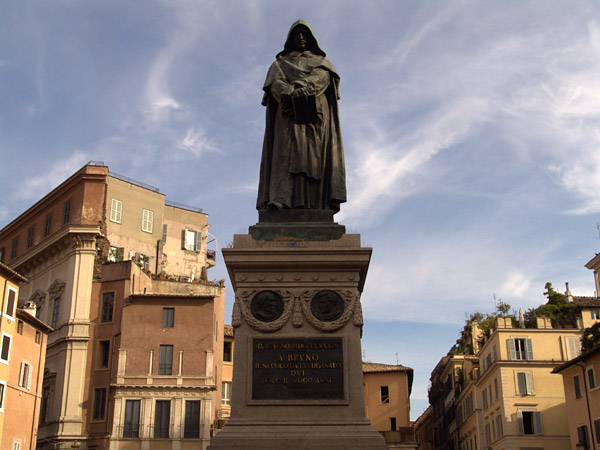
Living under dictatorship means fear, censorship, and moral compromise. The post contrasts democratic values with authoritarian control, urging readers to appreciate and defend their freedoms before they’re lost.

Supporting Ukraine is not just a moral duty—it’s a strategic necessity. Western strength lies in alliances and shared values. Defending Ukraine affirms democracy, stability, and global credibility. The choice is stark: uphold freedom or enable authoritarian expansion.

Contrary to Putin’s claims, the collapse of the Soviet Union ended a brutal, imperial regime. The USSR was built on repression, genocide, and ideological tyranny. Its fall liberated millions and opened paths to democracy. Nostalgia for it insults the victims of its violence.

Claims that NATO threatens Russia are false. NATO’s expansion has been defensive, not aggressive. No treaty promised non-expansion, and no offensive troops have been stationed near Russia. Putin fears NATO because it blocks his imperial ambitions—not because it poses a real threat.

The invasion of Ukraine is an attack on democracy, truth, and international law. It threatens global stability and moral order. Standing with Ukraine is not optional—it’s a defense of shared values and the future of free societies.

Putin’s justification for war is riddled with historical distortions, paranoia, and imperial nostalgia. His rhetoric reveals a dangerous detachment from reality and a deep hostility toward democratic norms. The speech is a manifesto of authoritarian delusion.
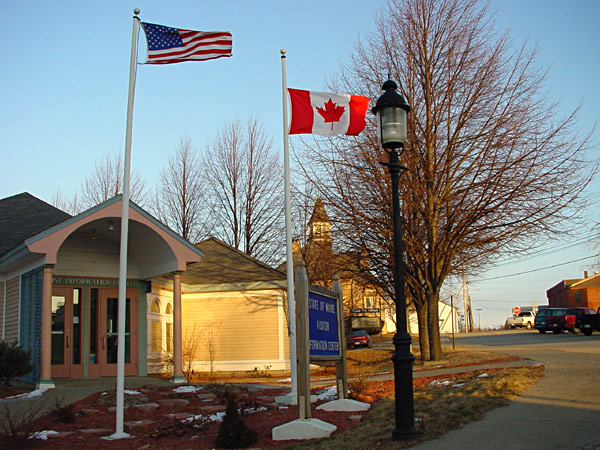
Canada’s progressive image is challenged through a critique of environmental policy, indigenous rights, and civil liberties. Trudeau’s support for pipelines—especially through First Nations territories—is framed as environmental destruction and disregard for native sovereignty. Emergency powers invoked during the trucker protests raise concerns about free speech and proportionality. The romanticization of Canada by American liberals is questioned, suggesting that idealism often ignores uncomfortable realities. The grass isn’t always greener—it’s just differently mowed.

Equating vaccine resistance with Holocaust victimhood is condemned as deeply offensive. The misuse of Jewish symbols trivializes genocide and distorts history. True dissent must be grounded in reason and respect—not appropriation and false martyrdom.

Vaccine mandates are defended as necessary for public health and social responsibility. Individual freedom must be balanced against collective safety. The post critiques misinformation and argues that mandates protect the vulnerable and uphold ethical governance.

Western democracies have failed not due to weakness but due to apathy, short-term thinking, and moral fatigue. Afghanistan’s collapse is emblematic of a broader failure to follow through. Democracy requires sustained effort, not just rhetoric. Putin’s aggression is a wake-up call: values must be defended, not assumed.

Rejecting expertise in favor of personal intuition reflects ego, not insight. Scientific consensus exists for a reason: complexity demands specialization. The Dunning-Kruger effect explains why the least informed often feel most confident. True wisdom begins with humility and trust in collective knowledge.

Cancel culture punishes growth. Public apologies should be met with grace, not exile. Redemption is part of democratic discourse. Holding people accountable is necessary—but forgiveness is what makes accountability meaningful.

Outrage is not the only valid response to injustice. Thoughtfulness, reflection, and strategic action matter more than performative anger. Constant outrage can numb empathy and distort priorities. Attention must be sustainable, not reactive.

Apocalyptic thinking distorts reality and undermines constructive action. Whether religious or political, end-times narratives breed fatalism and paranoia. The world is not ending—it’s evolving. Urgency must be grounded in hope, not despair.
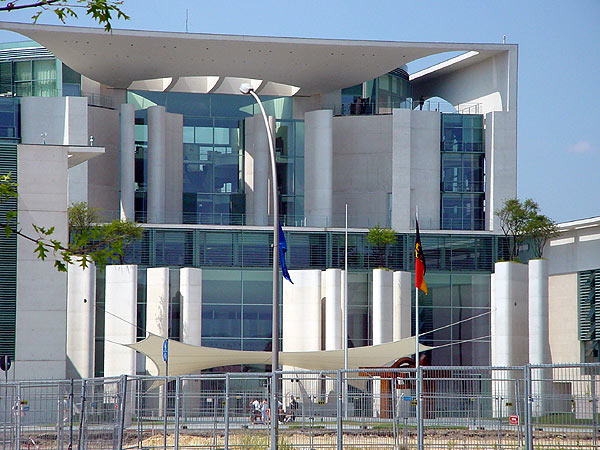
Germany’s reluctance to support Ukraine and invest in defense is critiqued as moral posturing without substance. The country benefits from global stability while avoiding responsibility. True leadership requires sacrifice, not just rhetoric. Europe’s future depends on shared commitment.

Russia’s cultural legacy—music, literature, art, science—is deeply intertwined with Western civilization. Rejecting Russia as culturally alien fuels geopolitical tension. Acknowledging shared heritage could foster cooperation and reduce paranoia. Political opposition to Putin must be distinguished from cultural exclusion.

The filibuster protects minority voices and forces compromise. Removing it risks destabilizing the U.S. political system and empowering transient majorities. Long-term governance requires bipartisan cooperation, not short-term victories. Stability depends on respecting institutional safeguards.
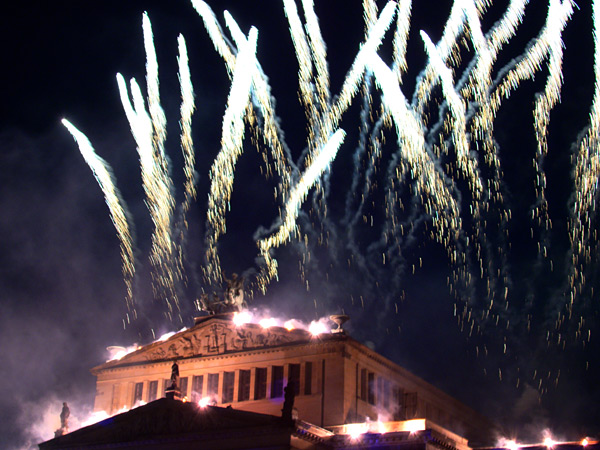
A brief reflection on the passage of time and the hope for renewal. The post encourages readers to embrace change, cultivate gratitude, and remain committed to truth and empathy in the year ahead.

Outrage may feel cathartic but rarely persuades. Effective communication requires empathy, clarity, and respect. The post critiques performative anger and calls for more thoughtful engagement in political and social discourse.
Public health measures that distinguish between vaccinated and unvaccinated individuals are based on risk, not prejudice. Equating these policies with discrimination trivializes real injustice. The post defends science-based policy as ethically necessary.

Mandatory vaccination is defended as a legitimate public health measure. Individual freedom must be weighed against collective safety. The post critiques misinformation and argues that mandates are ethically justified when voluntary compliance fails to protect the vulnerable.

Democracy requires respecting the electorate, even when they vote against you. Demonizing voters reflects elitism and undermines democratic legitimacy. Politicians must communicate clearly, align with real concerns, and avoid ideological arrogance. Voters are experts in their own lives.

Political success depends on addressing real-world concerns: economy, education, safety, infrastructure, and climate. Identity politics and ideological purity alienate voters. The post urges Democrats to focus on pragmatic solutions and inclusive messaging, not symbolic battles or moral grandstanding.

Despair is tempting in the face of global crises—Afghanistan’s collapse, climate disasters, COVID resurgence—but history shows resilience. Hope is not naïve; it’s a logical stance that enables action. Believing in the possibility of a better future is the first step toward building it.

Following scientific guidance—vaccination, masking, distancing—is framed as care, not cowardice. Dismissing caution as fear reflects ignorance and moral failure. Protecting others, even those who reject protection, is a civic and ethical duty. We are our brothers’ and sisters’ keepers.

Opposing Israel’s existence under the guise of anti-Zionism is framed as a form of antisemitism. The post argues that denying Jewish self-determination while accepting it for other groups reflects a double standard. Criticism of Israeli policy is legitimate, but rejection of Israel’s right to exist crosses into bigotry.
Populist leaders exploited the pandemic to undermine democratic norms, spread misinformation, and consolidate power. The post critiques anti-science rhetoric and authoritarian tendencies, warning that democracy depends on truth, transparency, and institutional resilience—especially in times of crisis.

Extremism is no longer confined to fringe ideologies—it has entered mainstream discourse. The post critiques absolutism, conspiracy thinking, and moral tribalism on both left and right. True political engagement requires nuance, humility, and a commitment to democratic principles.

Rising anti-Asian violence reflects humanity’s tendency to scapegoat and other. The post urges distinction between governments and individuals, critiques fetishization and stereotyping, and calls for solidarity rooted in shared humanity. Understanding must replace ignorance.

History is a tool for understanding—not just remembering. The post calls for better civic education to explain democracy’s value, complexity, and fragility. Without historical context, democratic ideals risk being misunderstood or abandoned.

Democracy depends on open discourse. The post critiques censorship, tribalism, and ideological rigidity, arguing that only through dialog can truth emerge and progress be made. Debate is not a threat—it’s a foundation.

Social justice is grounded in fairness, dignity, and the dismantling of systemic inequality. The post critiques performative activism and ideological rigidity, arguing that true justice requires humility, listening, and structural change. It’s not about moral superiority—it’s about shared responsibility.

Hero worship undermines collective agency. The post critiques the search for political or cultural saviors, arguing that change arises from community, not charisma. Democratic progress depends on participation, not messianic leadership. We must stop outsourcing responsibility.

Human rights violations are never purely domestic. The post rejects the idea that sovereignty excuses oppression, emphasizing that global solidarity and accountability are essential. Silence in the face of injustice—anywhere—is complicity.

Progress is iterative, imperfect, and ongoing. The post rejects utopianism and fatalism alike, arguing that social improvement is a moral obligation. Democracy is not a finished product—it’s a process that demands constant care and renewal.
The Capitol riot was a shock, but not a collapse. Institutions held, dissent was protected, and the democratic process resumed. The post argues that the U.S. has survived worse and will endure—if it addresses the roots of discontent and recommits to democratic principles.
Yes. Russia’s actions in Crimea, Donbas, and beyond violate international law. NATO has never posed a threat; Putin’s imperial ambitions are the real danger. The post urges Russia to choose peace, democracy, and dignity over conquest and paranoia.

Democracy depends on truth, reason, and shared knowledge. The post defends education as essential to civic life, arguing that facts and science must guide public discourse. Without informed citizens, democracy cannot survive.
Effective critique requires detachment, not outrage. The post defends calm, reasoned analysis as a tool for truth-seeking and democratic engagement. Passion may inspire, but only dispassion clarifies.
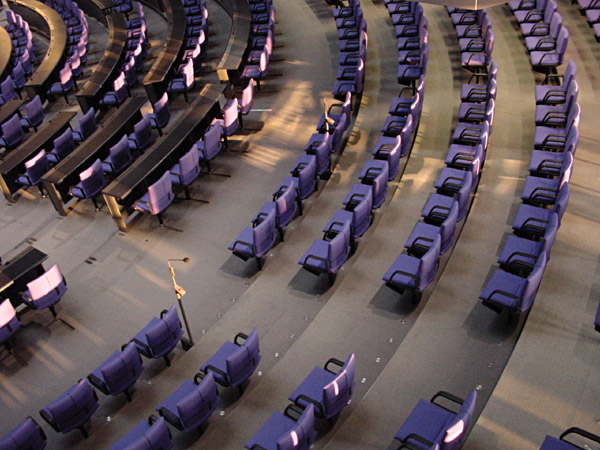
Democracy isn’t about winning—it’s about building agreement. The post defends compromise, pluralism, and institutional negotiation as the heart of democratic life. Polarization threatens this process; consensus sustains it.

Appreciation is a moral and emotional necessity. The post calls for recognizing others’ dignity, contributions, and humanity. In a divided world, gratitude and empathy are revolutionary acts.

Large-scale conspiracies are implausible because they require too many people to remain silent, too much coordination, and too little evidence. The post argues that human fallibility, institutional complexity, and the sheer scale of modern systems make sustained deception virtually impossible.

Game of Thrones’ final season is interpreted as a political allegory. Daenerys embodies the seductive danger of authoritarian idealism. The post critiques the narrative arc as a warning against messianic leadership and the collapse of democratic institutions under charismatic rule.

Polarization undermines democracy. The post critiques tribalism, ideological rigidity, and the framing of opponents as enemies. Real progress requires dialog, compromise, and a shared commitment to pluralism. Division may feel righteous—but it’s politically self-defeating.

Extremism masquerades as conviction but often reflects insecurity. The post defends moderation as a principled stance that balances idealism with pragmatism. True strength lies in listening, compromising, and resisting tribalism. Radicality may feel bold—but it rarely builds lasting change.
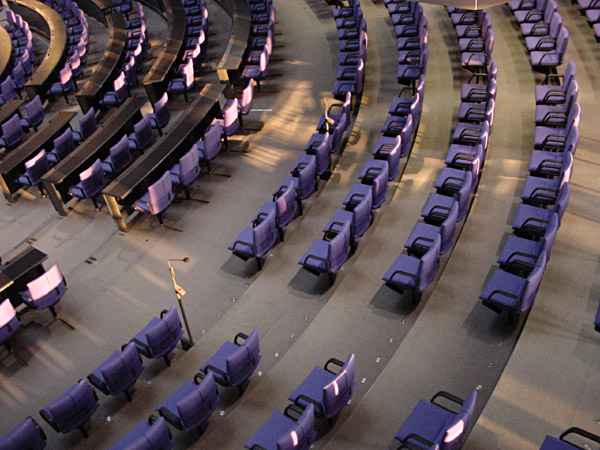
The binary of left vs. right is historically outdated and conceptually incoherent. The post critiques ideological labeling and calls for multidimensional frameworks that reflect real political complexity. Democracy suffers when nuance is replaced by tribal shorthand.
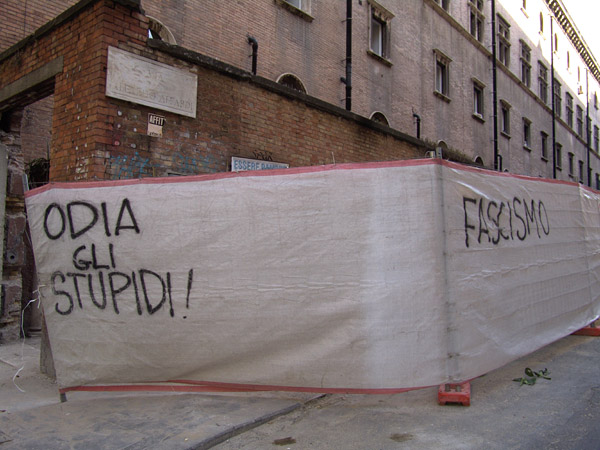
Public discourse is increasingly shaped by outrage, vilification, and performative cruelty. The post critiques media and political figures who normalize hate, warning that democracy cannot survive without decency. Naming evil is necessary—but so is resisting its methods.

Change begins with personal responsibility. The post affirms that ethical living, empathy, and creative action are ways to shape the world. Waiting for others to fix things is a trap. Agency is not abstract—it’s daily, deliberate, and transformative.

Free speech is essential—but it’s not absolute. The post explores how misinformation, hate speech, and performative outrage distort the public sphere. True discourse requires responsibility, context, and a shared commitment to truth. Liberty without ethics is chaos.
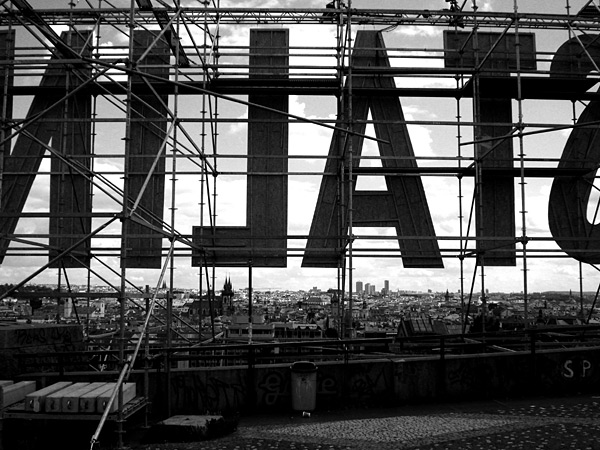
Free speech must be protected without exception—even offensive speech. The post argues that truth emerges through peaceful, respectful, and equal exchange, not censorship. Suppressing speech leads to authoritarianism. Democracy depends on allowing disagreement, not silencing it.

Empathy must be radical—an active embrace of otherness. The post critiques self-centeredness and calls for humility, connection, and compassion. True engagement requires accepting discomfort and recognizing that difference enriches, rather than threatens, our shared humanity.

Diversity strengthens democracy by affirming equity and rejecting hierarchy. The post argues that inclusion benefits everyone and must go beyond tokenism. True citizenship requires a level playing field, not competition over recognition.
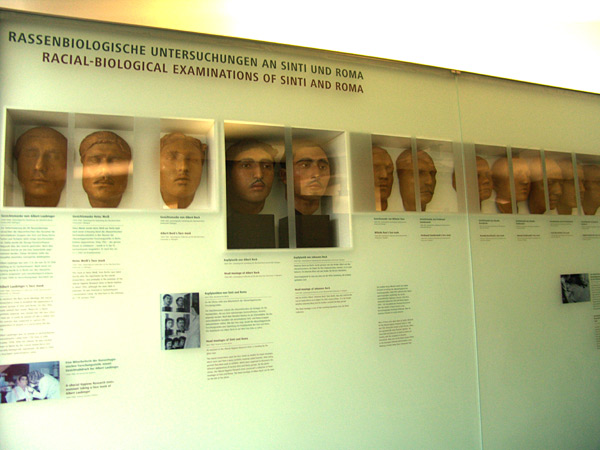
Social constructivism explains how cultural models shape perception. The post explores how race, gender, and other categories are socially constructed—not biologically fixed. These constructs influence behavior and policy, often distorting reality in service of power.

White privilege is the unearned advantage conferred by systemic norms. The post explains how privilege operates invisibly, shaping access, safety, and opportunity. Acknowledging it is not guilt—it’s a step toward justice and equity.

Race is a myth; racism is real. The post argues that racial categories are invented to justify inequality. Biology refutes race, but society enforces it through discrimination. Dismantling racism requires rejecting the fiction of race itself.

Guilt is personal; responsibility is collective. The post urges readers to move beyond defensiveness and embrace historical accountability. Justice demands reckoning with the past—not to shame, but to repair and transform.
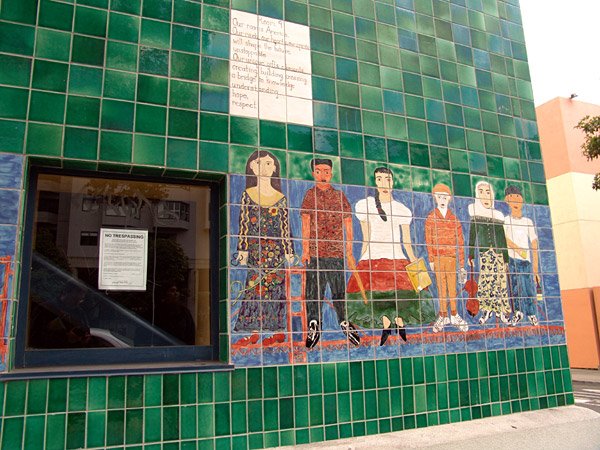
Systemic racism is embedded in institutions, laws, and cultural norms. The post explains how inequality persists through structures—not just individual bias. Addressing it requires policy change, education, and sustained civic engagement.

Racism is the belief in racial hierarchy and the practice of exclusion. The post defines it as both ideological and structural, rooted in power and history. Combating racism demands clarity, courage, and a commitment to universal dignity.

Affirming that Black lives matter does not imply exclusion—it highlights a history of systemic neglect. The post defends the movement against misrepresentation and calls for recognition, education, and peaceful reform. Racism is a global issue, and acknowledging injustice is the first step toward change.

Violence undermines moral legitimacy. The post defends civil disobedience as the most effective form of protest, citing Gandhi, King, and Thoreau. Peaceful movements succeed because they model the justice they seek. Tyrants fear nonviolence because it exposes their brutality.

Peace is not passivity—it’s an active, disciplined state of compassion and humility. The post argues that peace must be both the goal and the method. Even in conflict, reconciliation must remain possible. Inner peace is a prerequisite for outer peace.

The post categorizes pandemic-related claims by their ethical and scientific merit. Legitimate concerns include economic hardship and mental health; illegitimate ones include denialism and conspiracy theories. Public health must balance individual freedom with collective responsibility.

Media shape how we think, not what we think. The post explores framing, agenda-setting, and narrative influence, arguing that awareness—not rejection—is the key to navigating information. Blaming media oversimplifies complex dynamics.
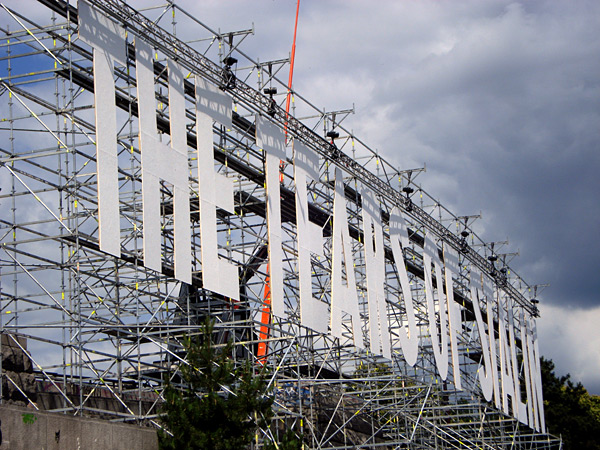
Leftist thought must reject dogma and embrace ruthless criticism. The post traces Marx’s emphasis on intellectual freedom and warns against utopianism. True progressivism lies in democratic skepticism, not ideological purity. Social democracy, not authoritarian socialism, is the viable path forward.

Apocalypse means revelation—not destruction. The pandemic exposes systemic flaws: overreliance on global supply chains, lack of transparency, and erosion of democratic norms. The post calls for global cooperation, scientific discipline, and renewed commitment to human rights.

Democracy thrives on transparency, accountability, and trust. The post argues that open societies, despite their messiness, are best equipped to handle crises. Citizens must be treated as adults, not subjects. Science and reason—not coercion—are the sustainable tools of governance.

Europe’s strength lies in its tension between integration and independence. The post defends pluralism, subsidiarity, and the coexistence of national identity with shared values. Unity must not erase difference; disunity must not undermine solidarity.

Authoritarian regimes rely on deception to maintain control. Democracies, by contrast, embrace transparency and self-correction. The post defends democratic messiness as a sign of maturity, arguing that truth and accountability are essential to legitimacy.

Democracy demands the recognition that others may know what they’re doing—even if we disagree. The post critiques tribalism and partisan arrogance, affirming that inclusion, fallibility, and dialog are the foundations of democratic life.
 Erratic Attempts