#261: If You Govern Against the People, You Will Fail

In an era teetering on chaos, citizens grapple with harsh realities: climate promises shattered, ineffective immigration management, and pandemic miscommunication. Politicians must shed pretense, embrace brutal honesty, and acknowledge that the public won't sacrifice comfort for lofty ideals. Failure to respect constituents fuels the rise of unconventional leaders like Trump.

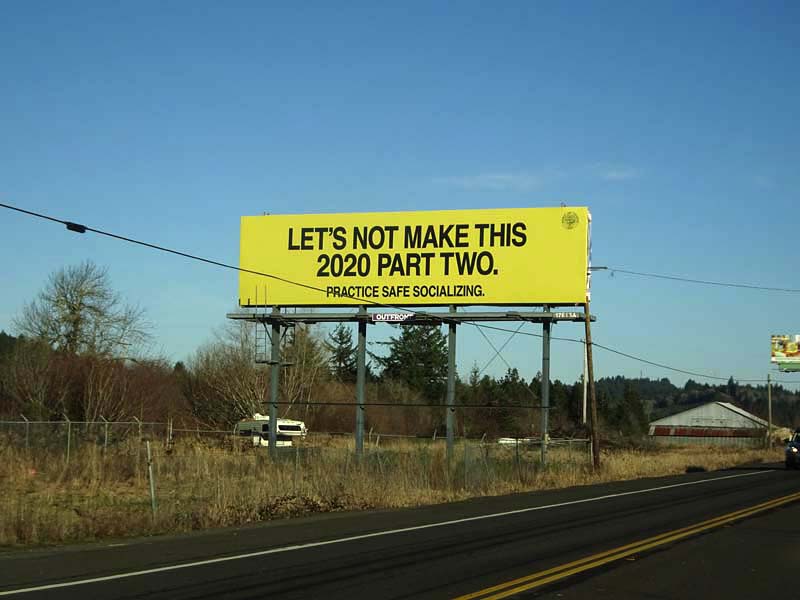
#243: Living in a Time of Frustration: Are We Living in Babylon 5, Season 5?

Drawing parallels with Babylon 5, the post reflects on political stagnation, moral fatigue, and the erosion of democratic ideals. It suggests that society is caught in a narrative of decline, where leadership falters and hope dims. Yet, it also hints at the possibility of renewal through vigilance, resistance, and storytelling.

#211: Is the Pandemic Over?

Despite public fatigue, the post argues that COVID-19 remains a global threat. It critiques premature declarations of normalcy and emphasizes the ongoing risks of long COVID, waning immunity, and inadequate data. The analysis calls for continued caution, mask-wearing, and respect for scientific expertise, framing pandemic response as a moral duty to protect others.

#202: Fear Not: Why We Need to be Optimistic About the Future

The post advocates for hope as a political and philosophical stance. It critiques fatalism and argues that optimism enables action, creativity, and resilience. Drawing on historical progress and human ingenuity, it calls for renewed belief in the possibility of a better world.

#197: We Have Good Reasons for Hope

Despite global crises, the post affirms that humanity possesses the tools, knowledge, and resilience to overcome challenges. It defends democracy, technological progress, and cultural evolution as sources of optimism. Hope is framed not as naïveté but as a call to action and civic engagement.

#194: No, the Pandemic is Not Yet Over

COVID-19 continues to claim lives daily, and immunity remains uneven due to low booster rates and misinformation. Declaring the pandemic over ignores vulnerable populations and risks prolonging suffering. Public health must prioritize care, caution, and collective responsibility over political convenience and denial.

#184: Anecdotal Thinking, Science, Religion, and Policy

Anecdotes distort public understanding of science and policy. The post critiques emotional reasoning in debates about religion, health, and governance, arguing for evidence-based thinking. While stories can inspire, they must not replace rigorous analysis in shaping collective decisions.

#181: Are We too Stupid for the Internet?

Digital culture rewards outrage, misinformation, and shallow engagement. The post critiques algorithmic manipulation and the erosion of attention spans, warning that democracy and reason are at risk. Reclaiming the internet requires deliberate effort to foster depth, nuance, and truth.

#174: Climate Change Can Only Be Countered With Technological Innovation

Moral appeals and lifestyle changes are insufficient. Only large-scale technological solutions—renewable energy, carbon capture, geoengineering—can meet the urgency of climate collapse. Innovation must be prioritized over nostalgia or denial, and policy must reflect planetary-scale thinking

#164: The Answer to Death is Life

Death is confronted not with despair but with affirmation. Life must be lived fully, ethically, and creatively in the face of mortality. Meaning arises from action, love, and the refusal to surrender to nihilism.

#142: Oh, Canada…

Canada’s progressive image is challenged through a critique of environmental policy, indigenous rights, and civil liberties. Trudeau’s support for pipelines—especially through First Nations territories—is framed as environmental destruction and disregard for native sovereignty. Emergency powers invoked during the trucker protests raise concerns about free speech and proportionality. The romanticization of Canada by American liberals is questioned, suggesting that idealism often ignores uncomfortable realities. The grass isn’t always greener—it’s just differently mowed.

#141: Is Wearing a Star of David Labeled “Unvaccinated” Anti-Semitic?

Equating vaccine resistance with Holocaust victimhood is condemned as deeply offensive. The misuse of Jewish symbols trivializes genocide and distorts history. True dissent must be grounded in reason and respect—not appropriation and false martyrdom.

#140: We Need Vaccine Mandates After All

Vaccine mandates are defended as necessary for public health and social responsibility. Individual freedom must be balanced against collective safety. The post critiques misinformation and argues that mandates protect the vulnerable and uphold ethical governance.

#139: Nature Demands Humility: Lessons from Jurassic Park World

Jurassic Park is more than entertainment—it’s a cautionary tale about hubris. Human attempts to control nature inevitably backfire. The films illustrate how technological arrogance and corporate greed ignore ecological complexity. Real-world parallels abound, from climate change to pandemics. Nature isn’t ours to dominate; it demands respect.

#135: Conspiracy Belief, Science, Ego and Humility

Rejecting expertise in favor of personal intuition reflects ego, not insight. Scientific consensus exists for a reason: complexity demands specialization. The Dunning-Kruger effect explains why the least informed often feel most confident. True wisdom begins with humility and trust in collective knowledge.

#131: Please Stop this Fascination with End-Times Rhetoric

Apocalyptic thinking distorts reality and undermines constructive action. Whether religious or political, end-times narratives breed fatalism and paranoia. The world is not ending—it’s evolving. Urgency must be grounded in hope, not despair.

#124: Happy New Year 2022!

A brief reflection on the passage of time and the hope for renewal. The post encourages readers to embrace change, cultivate gratitude, and remain committed to truth and empathy in the year ahead.

#122: Only a Zero Covid Strategy Will Bring Success

Half-measures prolong the pandemic. A zero-COVID approach—strict containment, mass testing, and clear communication—is the only path to real recovery. The post critiques Western complacency and urges decisive public health action.

#120: Differential Treatment of Vaccination Opponents Is not Discrimination

Public health measures that distinguish between vaccinated and unvaccinated individuals are based on risk, not prejudice. Equating these policies with discrimination trivializes real injustice. The post defends science-based policy as ethically necessary.

#119: Thoughts on Covid Vaccine Mandates

Mandatory vaccination is defended as a legitimate public health measure. Individual freedom must be weighed against collective safety. The post critiques misinformation and argues that mandates are ethically justified when voluntary compliance fails to protect the vulnerable.

µ#6: We Are Ignoring Covid Again

Haven't we learnt our lesson? Apparently not. Delta is a game changer, this is far from over. Double vaccination is no longer enough. Please be careful everyone.

#117: It’s Not About Trump. It’s About the Issues
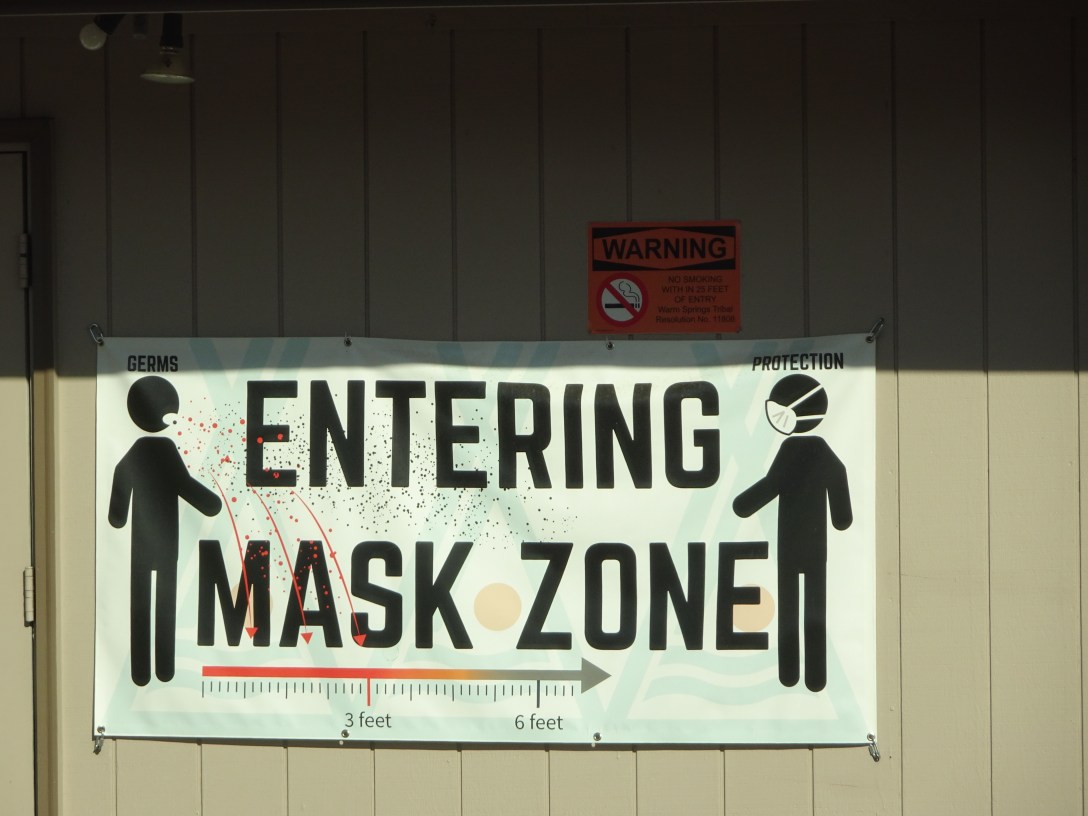
Political success depends on addressing real-world concerns: economy, education, safety, infrastructure, and climate. Identity politics and ideological purity alienate voters. The post urges Democrats to focus on pragmatic solutions and inclusive messaging, not symbolic battles or moral grandstanding.

#112: The Normality of Not Knowing

Uncertainty is a natural part of life. The post challenges the expectation of constant clarity and argues that embracing ambiguity fosters humility, curiosity, and resilience. Not knowing is not failure—it’s a condition of being human.

#111: Faith, the Pandemic, and the Drowning Man

Faith is explored through a parable of missed opportunities. The post critiques passive religiosity and calls for active engagement with reality. True belief requires action, not just hope.

#109: We Cannot Lose Hope

Despair is tempting in the face of global crises—Afghanistan’s collapse, climate disasters, COVID resurgence—but history shows resilience. Hope is not naïve; it’s a logical stance that enables action. Believing in the possibility of a better future is the first step toward building it.

#108: Carefulness Is Not Fear

Following scientific guidance—vaccination, masking, distancing—is framed as care, not cowardice. Dismissing caution as fear reflects ignorance and moral failure. Protecting others, even those who reject protection, is a civic and ethical duty. We are our brothers’ and sisters’ keepers.

#107: How (Not) to Be Unhappy

Unhappiness often stems from flawed expectations and reactive thinking. Mindfulness, realism, and care are not the same as despair. Between happiness and misery lies a space of acceptance and effort. Problems may not be solvable, but pursuing solutions is itself a path away from unhappiness.

#105: We May Think We’re Done with the Virus, but the Virus is not Done with Us

Complacency fuels viral evolution. Variants arise because we allow transmission. Magical thinking won’t end the pandemic—only global vaccination, masking, and distancing will. Fatigue is understandable, but carelessness prolongs the crisis and endangers the vulnerable.

#104: Psychological Long Covid

The pandemic's grip endures, and while some deny or trivialize it, many suffer in silence. Psychological scars abound—dread, nightmares, a loss of motivation. This is more than a health crisis; it's a social and mental battlefield demanding compassion. We must confront our collective trauma instead of succumbing to radical falsehoods.

#103: The Story About the Lone Renegate Scientist Showing That Everyone Else Is Wrong

Romanticizing the lone genius undermines scientific integrity. Most breakthroughs come from collaboration and consensus. Distrusting expertise in favor of contrarianism breeds misinformation. Science is a communal pursuit, not a stage for ego.

µ#3: Tired

A brief reflection on exhaustion—physical, emotional, and existential. The post acknowledges burnout and the need for rest, empathy, and patience. Tiredness is not weakness; it’s a signal to pause, reflect, and recalibrate.

µ#2: Why the Posturing as if Pandemic was Over?

Declaring the pandemic over is political theater, not public health. Such posturing endangers lives and undermines trust. The virus doesn’t respond to speeches—it responds to behavior. Real leadership means facing facts, not staging illusions.

#101: The Mask Does not just Protect You but Others as Well

Masking is an act of solidarity. It protects the vulnerable and affirms shared responsibility. The post critiques individualism and defends public health as a collective moral project. Caring for others begins with simple, visible choices.

#98: The Populist Attack on Democracy During the Pandemic

Populist leaders exploited the pandemic to undermine democratic norms, spread misinformation, and consolidate power. The post critiques anti-science rhetoric and authoritarian tendencies, warning that democracy depends on truth, transparency, and institutional resilience—especially in times of crisis.

#94: What Is Political Extremism Today?

Extremism is no longer confined to fringe ideologies—it has entered mainstream discourse. The post critiques absolutism, conspiracy thinking, and moral tribalism on both left and right. True political engagement requires nuance, humility, and a commitment to democratic principles.

#86: Nature Is Stronger than Us: The Pandemic, not the Lockdown, Is the Problem

Lockdowns are a response to the virus—not the cause of suffering. The post critiques backward reasoning and emphasizes that nature, not human policy, drives pandemics. Patience, empathy, and realism are essential. We must accept our limits and learn from history, or we’ll repeat it.

#85: Anti-Asian Hate and the Human Capacity for Divisiveness

Rising anti-Asian violence reflects humanity’s tendency to scapegoat and other. The post urges distinction between governments and individuals, critiques fetishization and stereotyping, and calls for solidarity rooted in shared humanity. Understanding must replace ignorance.

Photos: Year of Pain, 2020-21

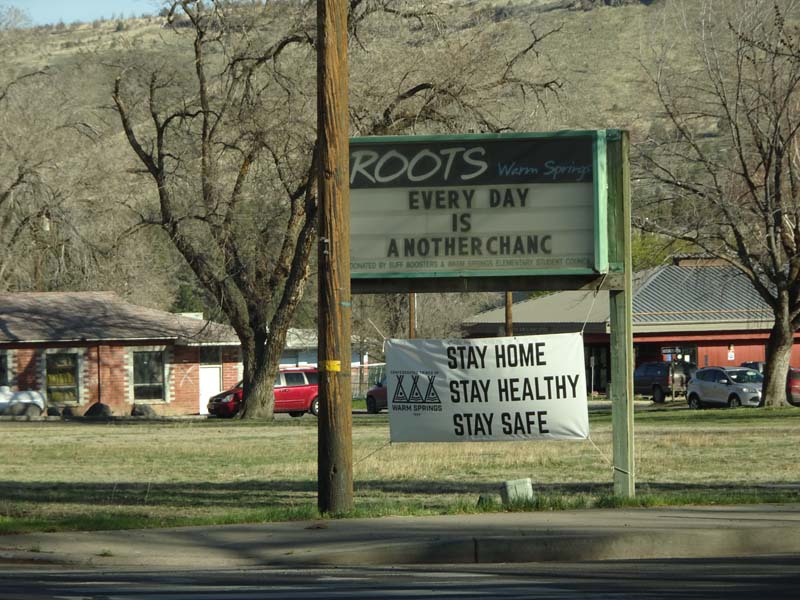
Locations in Oregon: Detroit, Lyons, Corvallis, Newport, Sea Lion Caves, Grand Ronde, Mt Angel Abbey, Portland, Land and Linn County, Warm Springs Slideshow: All Pictures:

#84: Panicking Is Not a Good Strategy

Panic undermines rational decision-making. The post argues for calm, logic, and collective responsibility in crisis. Fear is natural, but it must be managed through empathy, science, and deliberate action.

#82: Only Logic Will Help Us Out of the Pandemic

Emotion and ideology distort public health responses. The post defends logic, data, and scientific reasoning as the only reliable tools for navigating COVID-19. Clear thinking is framed as a moral and civic necessity.

#81: Do Not Expect Normality in Non-Normal Times

Expecting normalcy during crisis leads to disappointment and denial. The post urges acceptance of disruption and adaptation to new realities. Resilience begins with letting go of outdated expectations.

#74: On the Difference Between Scientific and Mythological Thinking

Scientific thinking is empirical, provisional, and self-correcting. Mythological thinking is symbolic, moral, and narrative-driven. The post argues that both have value, but confusing them leads to epistemological chaos. Science explains; myth interprets. We need both—but must know which is which.

#67: This Perfect Virus Exploits Our Weaknesses

COVID-19 reveals our impatience, poor risk assessment, and fragile social bonds. The virus thrives on denial and division. The post urges empathy, realism, and care for relationships, warning that fear and fatigue must not erode our humanity.

#66: Democracy Needs Well-Educated Citizens

Democracy depends on truth, reason, and shared knowledge. The post defends education as essential to civic life, arguing that facts and science must guide public discourse. Without informed citizens, democracy cannot survive.

#61: We All Need to Appreciate Each Other

Appreciation is a moral and emotional necessity. The post calls for recognizing others’ dignity, contributions, and humanity. In a divided world, gratitude and empathy are revolutionary acts.

#60: How We Know that the New Coronavirus Is a Real Threat

Scientific evidence confirms COVID-19’s danger. The post debunks denialism and affirms the reliability of data, peer review, and global consensus. Truth is not optional—it’s the foundation of responsible action.

#59: Why Really Big Conspiracies Cannot Exist

Large-scale conspiracies are implausible because they require too many people to remain silent, too much coordination, and too little evidence. The post argues that human fallibility, institutional complexity, and the sheer scale of modern systems make sustained deception virtually impossible.

#58: Question Everything; But Also Yourself

Free thought is essential, but so is self-reflection. The post defends skepticism as a civic virtue while warning against paranoia and solipsism. True intellectual freedom includes the ability to admit error, engage others, and remain open to correction.

#57: What Is Science?

Science is a collaborative, evidence-based method for understanding reality. The post explains how scientific knowledge evolves through falsification, consensus, and methodological rigor. It rejects relativism and defends science as a democratic, accessible pursuit—not a dogma or elite cult.

#55: It’s The Uncertainty That Makes Us Worry

Pandemic anxiety stems not just from danger but from unpredictability. The post reflects on psychological stress, social disruption, and the erosion of normalcy. It encourages acceptance of discomfort and small acts of grounding—like listening to cats purring—as ways to cope.

#52: Crisis Fatigue

Constant exposure to global emergencies—pandemics, climate change, political unrest—leads to emotional exhaustion and disengagement. The post urges readers to acknowledge fatigue, practice self-care, and resist the temptation to tune out. Awareness must be sustainable to remain effective.

#46: We Need to Move Beyond the Left/Right Paradigm

The binary of left vs. right is historically outdated and conceptually incoherent. The post critiques ideological labeling and calls for multidimensional frameworks that reflect real political complexity. Democracy suffers when nuance is replaced by tribal shorthand.

#41: Corona Funk

Pandemic fatigue is real. The post reflects on emotional exhaustion, isolation, and the loss of routine. It encourages readers to acknowledge their funk, seek connection, and find small rituals of renewal. Survival is not just physical—it’s psychological.

#37: Coronavirus, the Amfortas Wound?

COVID-19 is likened to Amfortas’s unhealing wound—a crisis worsened by denial, mismanagement, and hubris. The post critiques global responses and warns that reopening too soon invites resurgence. Hope is necessary, but only discipline and care will lead to healing.

#26: Coronavirus is a Thief

The virus has stolen time, opportunity, and lives. The post reflects on the emotional and existential toll of the pandemic, urging readers to confront loss and rediscover meaning. Civilization’s veneer is thin; nature reminds us of our fragility.

#25: Legitimate and Illegitimate Arguments Regarding the Coronavirus Shutdown

The post categorizes pandemic-related claims by their ethical and scientific merit. Legitimate concerns include economic hardship and mental health; illegitimate ones include denialism and conspiracy theories. Public health must balance individual freedom with collective responsibility.

#24: Conspiracy Thinking is Not Critical Thinking

Conspiracies thrive on distrust and false logic. The post critiques the misuse of skepticism and defends science, transparency, and reason. True critical thinking requires evidence, humility, and openness—not paranoia and tribalism.

#23: We Need to Take the Virus Seriously

COVID-19 is not a hoax or exaggeration. The post calls for responsible behavior, respect for science, and empathy for the vulnerable. Denial endangers lives. Taking the virus seriously is a moral imperative.

#20: Exiled

A personal reflection on displacement, belonging, and identity. The post explores the emotional landscape of exile—voluntary or forced—and affirms that home is not just a place but a relationship to memory, culture, and self.

#17: Coronavirus: This is the Apocalypse

Apocalypse means revelation—not destruction. The pandemic exposes systemic flaws: overreliance on global supply chains, lack of transparency, and erosion of democratic norms. The post calls for global cooperation, scientific discipline, and renewed commitment to human rights.

#16: Coronavirus and Democracy

Democracy thrives on transparency, accountability, and trust. The post argues that open societies, despite their messiness, are best equipped to handle crises. Citizens must be treated as adults, not subjects. Science and reason—not coercion—are the sustainable tools of governance.

#12: We Are All Just Human Beings, and We Are All Predictably Stupid

Human error is universal. The post critiques arrogance, tribalism, and the illusion of superiority. Wisdom begins with humility and the recognition that stupidity is not the exception—it’s the norm. Compassion requires accepting our shared fallibility.

#11: Authoritarian Governments Must Lie, and Democracies are Grown-Up Systems

Authoritarian regimes rely on deception to maintain control. Democracies, by contrast, embrace transparency and self-correction. The post defends democratic messiness as a sign of maturity, arguing that truth and accountability are essential to legitimacy.

#10: Corona, or, Nothing Important Is Happening Today

A meditation on the surreal stillness of lockdown. The post captures the emotional dissonance of global crisis unfolding in quiet domestic spaces. Beneath the silence, history is shifting. The absence of spectacle does not mean the absence of significance.