
Exploring why AI won't replace humans anytime soon. This analysis examines the real limitations of current Large Language Models, from hallucinations to consistency issues. Discover why AI requires constant supervision, how it may diminish human skills, and why treating it as a tool rather than replacement is crucial.
Category: science
#317: Between Enlightenment and Obscurity: Restoring the Democratic Promise of Science
Abstract This essay examines science's enlightenment ideals of transparency and democratic knowledge against modern challenges. It traces humanity through three phases—pre-civilization, pre-modern civilization, and technology-driven modernity—highlighting how constant change creates instability. The author critiques both science denial and academic obscurantism, arguing that politicizing science (as with COVID-19 and climate change) breeds mistrust. While advocating for… Continue reading #317: Between Enlightenment and Obscurity: Restoring the Democratic Promise of Science

#315: Can A.I. Replace College?
Exploring the critical differences between AI-generated information and genuine knowledge in modern education. This discussion examines why developing authentic thinking skills matters more than ever, the limitations of large language models, and how students can use AI as a tool without sacrificing real learning and workplace readiness.Retry
#303: What Is Bias? How Do You See It in Artificial Intelligence?
https://www.youtube.com/watch?v=qG_ns_NRv3E [This post is a modified transcript of a video posted already on November 1, 2023] Today we're doing something different. These videos usually show me talking with limited entertainment value. I've been advised to mix things up, and I typically use my own photographs. My website features poetry, photography, and other content, and I've… Continue reading #303: What Is Bias? How Do You See It in Artificial Intelligence?
#293: AI Extends Knowledge – If We Have Some Already
AI has the potential to enhance knowledge, but it requires users to possess a foundational understanding. As society surrenders critical thinking to AI tools, especially younger generations, we risk losing depth and nuance in knowledge acquisition. Relying too heavily on AI jeopardizes our ability to evaluate information meaningfully.
#277: Reflections on Graham Hancock: Adventures in “Pseudo-Science”
Hancock's "Ancient Apocalypse" is entertaining yet flawed, relying on confirmation bias and misconstrued evidence to assert an advanced civilization's existence before recorded history. While he raises intriguing questions, his theories lack robust scientific support. Explore the allure of possibility, but never abandon critical thinking—science thrives on cooperation and rigorous proof, not sensationalism.
#276: Is There an Easy and Fast Way to Know What is True or False?
Truth isn't a quick fix; it's a relentless pursuit fraught with complexities. We often confuse knowledge with understanding, mistakenly believe consensus equals correctness, and underestimate the power of questions. Competing truths exist alongside facts, and in an AI-driven world, discerning reality is more vital than ever. Brace yourself—truth is hard work.
#225: Religion, Transcendence & Nature
The post explores the intersection of religion, transcendence, and nature, arguing that spiritual experience is deeply rooted in the natural world. It critiques dogmatic theology and calls for a more open, experiential understanding of the divine. Nature is presented as a source of awe, ethical reflection, and existential insight.
#212: We Need to Build the Future Now: Spaceflight is not Optional
Space exploration is framed as a moral and strategic necessity. The post critiques short-term thinking and urges global cooperation to expand humanity’s reach beyond Earth. It highlights the benefits of spaceflight—from technological innovation to climate monitoring—and calls for political frameworks to guide future colonization, resource use, and interplanetary ethics.
#211: Is the Pandemic Over?
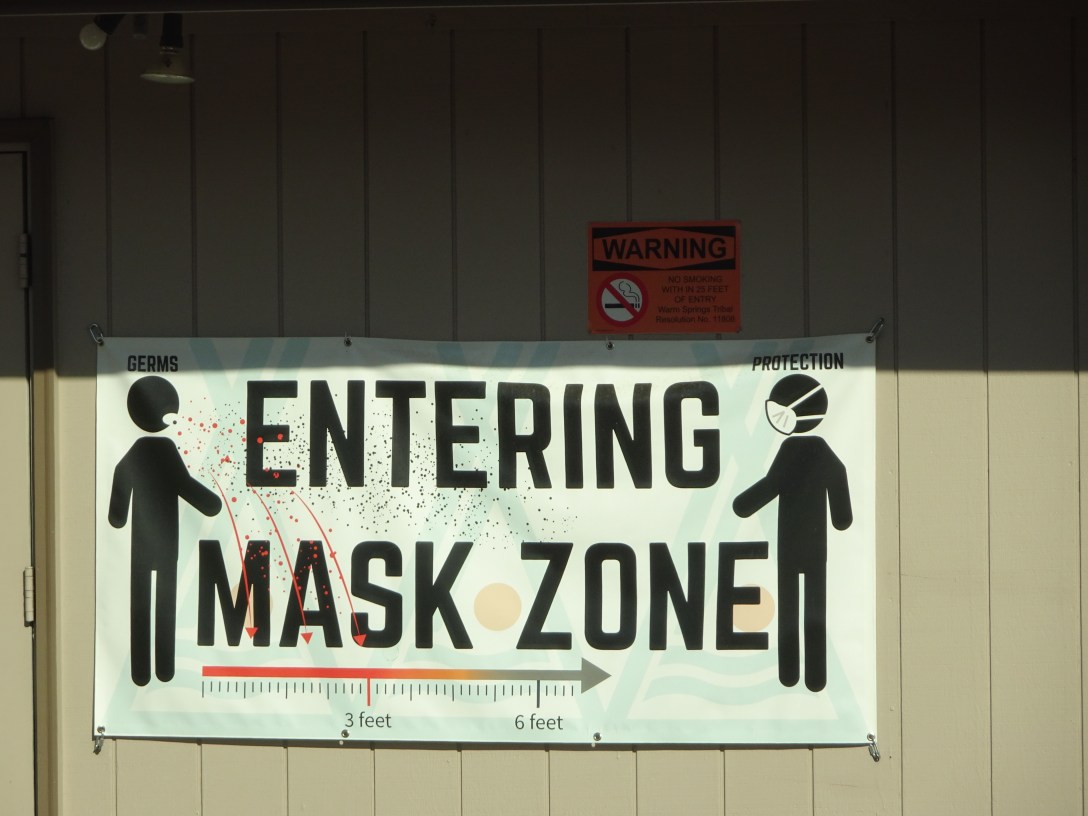
Despite public fatigue, the post argues that COVID-19 remains a global threat. It critiques premature declarations of normalcy and emphasizes the ongoing risks of long COVID, waning immunity, and inadequate data. The analysis calls for continued caution, mask-wearing, and respect for scientific expertise, framing pandemic response as a moral duty to protect others.
#202: Fear Not: Why We Need to be Optimistic About the Future
#199: Why Positionality Matters
The post argues that recognizing one’s positionality—social, cultural, and historical context—is essential for honest dialogue and intellectual humility. While arguments should stand on their own, identity shapes perception and bias. Acknowledging this fosters mutual respect, deeper understanding, and more constructive critique.
#194: No, the Pandemic is Not Yet Over
COVID-19 continues to claim lives daily, and immunity remains uneven due to low booster rates and misinformation. Declaring the pandemic over ignores vulnerable populations and risks prolonging suffering. Public health must prioritize care, caution, and collective responsibility over political convenience and denial.
#184: Anecdotal Thinking, Science, Religion, and Policy
#181: Are We too Stupid for the Internet?
#177: Thinking Beyond Caricatures
Complexity is essential to understanding both ideas and people. Moral and political debates suffer when reduced to slogans or caricatures. True engagement demands humility, historical awareness, and intellectual rigor. Democracy requires expertise, not just opinion; knowledge must be earned, not assumed.
#174: Climate Change Can Only Be Countered With Technological Innovation
#141: Is Wearing a Star of David Labeled “Unvaccinated” Anti-Semitic?
#140: We Need Vaccine Mandates After All
#139: Nature Demands Humility: Lessons from Jurassic Park World
Jurassic Park is more than entertainment—it’s a cautionary tale about hubris. Human attempts to control nature inevitably backfire. The films illustrate how technological arrogance and corporate greed ignore ecological complexity. Real-world parallels abound, from climate change to pandemics. Nature isn’t ours to dominate; it demands respect.
#135: Conspiracy Belief, Science, Ego and Humility
Rejecting expertise in favor of personal intuition reflects ego, not insight. Scientific consensus exists for a reason: complexity demands specialization. The Dunning-Kruger effect explains why the least informed often feel most confident. True wisdom begins with humility and trust in collective knowledge.
#122: Only a Zero Covid Strategy Will Bring Success
#120: Differential Treatment of Vaccination Opponents Is not Discrimination
#119: Thoughts on Covid Vaccine Mandates
µ#6: We Are Ignoring Covid Again
#116: Religion Is Trust in the Universe
#111: Faith, the Pandemic, and the Drowning Man
#108: Carefulness Is Not Fear
#105: We May Think We’re Done with the Virus, but the Virus is not Done with Us
#104: Psychological Long Covid
The pandemic's grip endures, and while some deny or trivialize it, many suffer in silence. Psychological scars abound—dread, nightmares, a loss of motivation. This is more than a health crisis; it's a social and mental battlefield demanding compassion. We must confront our collective trauma instead of succumbing to radical falsehoods.
#103: The Story About the Lone Renegate Scientist Showing That Everyone Else Is Wrong
µ#2: Why the Posturing as if Pandemic was Over?
#101: The Mask Does not just Protect You but Others as Well
#98: The Populist Attack on Democracy During the Pandemic
Populist leaders exploited the pandemic to undermine democratic norms, spread misinformation, and consolidate power. The post critiques anti-science rhetoric and authoritarian tendencies, warning that democracy depends on truth, transparency, and institutional resilience—especially in times of crisis.
#97: Are We Prepared for Extraterrestrial Life?
Humanity is philosophically and politically unprepared for contact with alien life. The post explores how religious, scientific, and cultural frameworks might respond, and warns that existing divisions could hinder a unified approach. True readiness requires humility, curiosity, and global cooperation.
#94: What Is Political Extremism Today?
#87: Stargate as Classical Science Fiction
Stargate is praised for its interdisciplinary approach to science fiction, integrating real scientific inquiry, ethical reflection, and mythological depth. Unlike other franchises, it foregrounds scientists as protagonists and treats science as a narrative engine. The post defends science fiction as a vehicle for intellectual engagement, not just entertainment.
#86: Nature Is Stronger than Us: The Pandemic, not the Lockdown, Is the Problem
#82: Only Logic Will Help Us Out of the Pandemic
#79: The Need for the Public Understanding of Humanities and Social Science Theory
Humanities and social sciences offer essential tools for interpreting power, culture, and identity. The post argues that public discourse suffers when these disciplines are dismissed as abstract or elitist. Theory is not a luxury—it’s a framework for understanding the world and shaping democratic debate.
#78: What Is Social Justice – and What Isn’t
Social justice is grounded in fairness, dignity, and the dismantling of systemic inequality. The post critiques performative activism and ideological rigidity, arguing that true justice requires humility, listening, and structural change. It’s not about moral superiority—it’s about shared responsibility.