
Scientific evidence confirms COVID-19’s danger. The post debunks denialism and affirms the reliability of data, peer review, and global consensus. Truth is not optional—it’s the foundation of responsible action.
occasional reflections on culture & politics
Scientific evidence confirms COVID-19’s danger. The post debunks denialism and affirms the reliability of data, peer review, and global consensus. Truth is not optional—it’s the foundation of responsible action.

Large-scale conspiracies are implausible because they require too many people to remain silent, too much coordination, and too little evidence. The post argues that human fallibility, institutional complexity, and the sheer scale of modern systems make sustained deception virtually impossible.

Free thought is essential, but so is self-reflection. The post defends skepticism as a civic virtue while warning against paranoia and solipsism. True intellectual freedom includes the ability to admit error, engage others, and remain open to correction.
Science is a collaborative, evidence-based method for understanding reality. The post explains how scientific knowledge evolves through falsification, consensus, and methodological rigor. It rejects relativism and defends science as a democratic, accessible pursuit—not a dogma or elite cult.

Ethnicity is rooted in shared culture, language, and perceived lineage; race is a colonial construct used to justify exploitation. The post traces the historical misuse of racial categories and argues that while ethnicity can be fluid and self-defined, race is externally imposed and ideologically charged.

Pandemic anxiety stems not just from danger but from unpredictability. The post reflects on psychological stress, social disruption, and the erosion of normalcy. It encourages acceptance of discomfort and small acts of grounding—like listening to cats purring—as ways to cope.

Game of Thrones’ final season is interpreted as a political allegory. Daenerys embodies the seductive danger of authoritarian idealism. The post critiques the narrative arc as a warning against messianic leadership and the collapse of democratic institutions under charismatic rule.
The left is defined not by dogma but by a commitment to justice, equality, and critical thought. The post explores the fragmentation of leftist politics and calls for a renewed focus on substance over identity, solidarity over purity, and pragmatism over posturing.
Constant exposure to global emergencies—pandemics, climate change, political unrest—leads to emotional exhaustion and disengagement. The post urges readers to acknowledge fatigue, practice self-care, and resist the temptation to tune out. Awareness must be sustainable to remain effective.

Polarization undermines democracy. The post critiques tribalism, ideological rigidity, and the framing of opponents as enemies. Real progress requires dialog, compromise, and a shared commitment to pluralism. Division may feel righteous—but it’s politically self-defeating.

Long-form music—symphonies, operas, extended compositions—offers depth, narrative, and emotional complexity. The post defends sustained listening as a counterpoint to digital fragmentation. Musical immersion fosters reflection, patience, and a richer aesthetic experience.

Human arrogance blinds us to ecological reality. The post argues that nature is not a resource to be mastered but a force to be respected. Climate change, pandemics, and extinction are consequences of hubris. Survival depends on humility, restraint, and reverence.

Extremism masquerades as conviction but often reflects insecurity. The post defends moderation as a principled stance that balances idealism with pragmatism. True strength lies in listening, compromising, and resisting tribalism. Radicality may feel bold—but it rarely builds lasting change.

A shift in tone is announced: from politics to broader reflections on life. The post affirms the need for joy, curiosity, and creative engagement even in dark times. Politics will return, but humanity must not be reduced to crisis management alone.
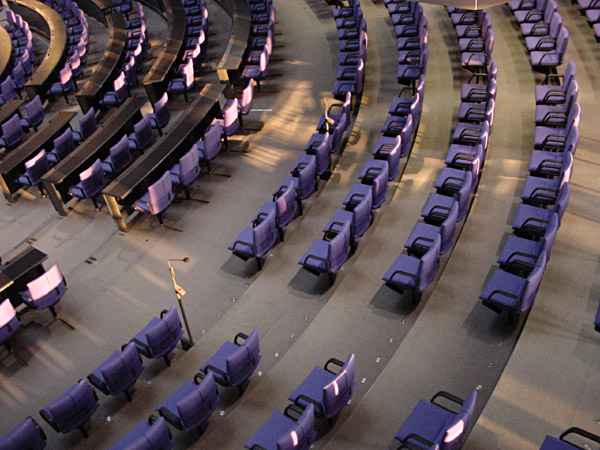
The binary of left vs. right is historically outdated and conceptually incoherent. The post critiques ideological labeling and calls for multidimensional frameworks that reflect real political complexity. Democracy suffers when nuance is replaced by tribal shorthand.

Moral clarity must coexist with intellectual humility. The post urges readers to resist binary thinking and extend empathy even to those they disagree with. People are rarely purely good or evil; understanding requires listening, reflection, and the courage to revise one’s views.

Digital culture accelerates time, erodes memory, and fragments attention. The post critiques the obsession with immediacy and calls for deeper engagement with history, context, and continuity. Living well requires stepping outside the tyranny of the present.
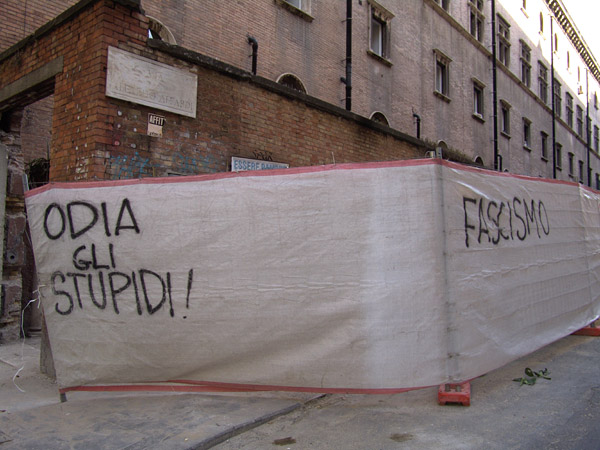
Public discourse is increasingly shaped by outrage, vilification, and performative cruelty. The post critiques media and political figures who normalize hate, warning that democracy cannot survive without decency. Naming evil is necessary—but so is resisting its methods.
Change begins with personal responsibility. The post affirms that ethical living, empathy, and creative action are ways to shape the world. Waiting for others to fix things is a trap. Agency is not abstract—it’s daily, deliberate, and transformative.
Pandemic fatigue is real. The post reflects on emotional exhaustion, isolation, and the loss of routine. It encourages readers to acknowledge their funk, seek connection, and find small rituals of renewal. Survival is not just physical—it’s psychological.

Free speech is essential—but it’s not absolute. The post explores how misinformation, hate speech, and performative outrage distort the public sphere. True discourse requires responsibility, context, and a shared commitment to truth. Liberty without ethics is chaos.
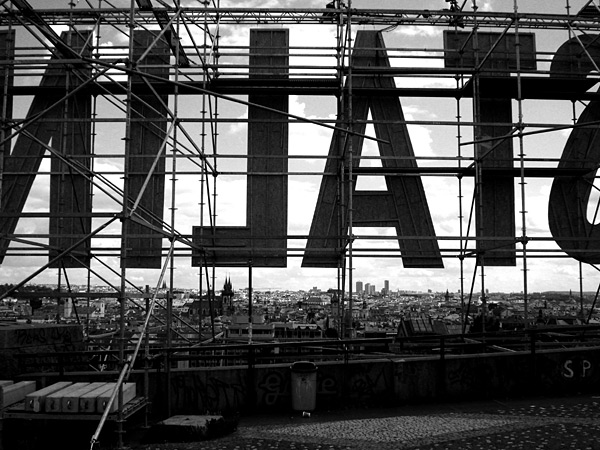
Free speech must be protected without exception—even offensive speech. The post argues that truth emerges through peaceful, respectful, and equal exchange, not censorship. Suppressing speech leads to authoritarianism. Democracy depends on allowing disagreement, not silencing it.

Empathy must be radical—an active embrace of otherness. The post critiques self-centeredness and calls for humility, connection, and compassion. True engagement requires accepting discomfort and recognizing that difference enriches, rather than threatens, our shared humanity.

COVID-19 is likened to Amfortas’s unhealing wound—a crisis worsened by denial, mismanagement, and hubris. The post critiques global responses and warns that reopening too soon invites resurgence. Hope is necessary, but only discipline and care will lead to healing.
Diversity strengthens democracy by affirming equity and rejecting hierarchy. The post argues that inclusion benefits everyone and must go beyond tokenism. True citizenship requires a level playing field, not competition over recognition.
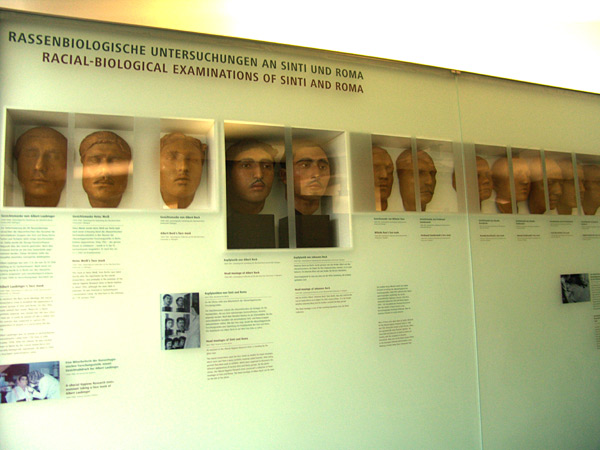
Social constructivism explains how cultural models shape perception. The post explores how race, gender, and other categories are socially constructed—not biologically fixed. These constructs influence behavior and policy, often distorting reality in service of power.

White privilege is the unearned advantage conferred by systemic norms. The post explains how privilege operates invisibly, shaping access, safety, and opportunity. Acknowledging it is not guilt—it’s a step toward justice and equity.

Race is a myth; racism is real. The post argues that racial categories are invented to justify inequality. Biology refutes race, but society enforces it through discrimination. Dismantling racism requires rejecting the fiction of race itself.

Guilt is personal; responsibility is collective. The post urges readers to move beyond defensiveness and embrace historical accountability. Justice demands reckoning with the past—not to shame, but to repair and transform.
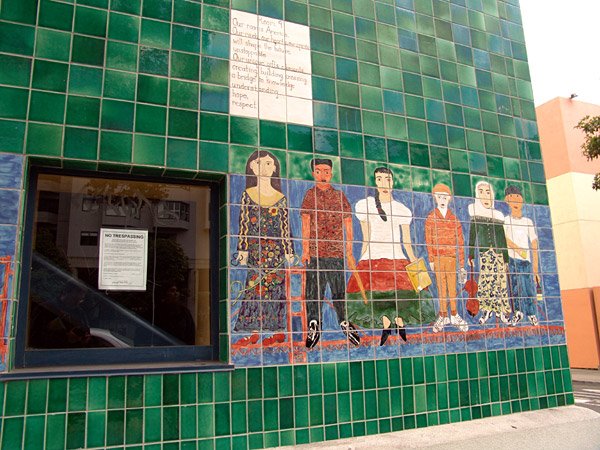
Systemic racism is embedded in institutions, laws, and cultural norms. The post explains how inequality persists through structures—not just individual bias. Addressing it requires policy change, education, and sustained civic engagement.

Racism is the belief in racial hierarchy and the practice of exclusion. The post defines it as both ideological and structural, rooted in power and history. Combating racism demands clarity, courage, and a commitment to universal dignity.

Affirming that Black lives matter does not imply exclusion—it highlights a history of systemic neglect. The post defends the movement against misrepresentation and calls for recognition, education, and peaceful reform. Racism is a global issue, and acknowledging injustice is the first step toward change.

Violence undermines moral legitimacy. The post defends civil disobedience as the most effective form of protest, citing Gandhi, King, and Thoreau. Peaceful movements succeed because they model the justice they seek. Tyrants fear nonviolence because it exposes their brutality.

Peace is not passivity—it’s an active, disciplined state of compassion and humility. The post argues that peace must be both the goal and the method. Even in conflict, reconciliation must remain possible. Inner peace is a prerequisite for outer peace.

The virus has stolen time, opportunity, and lives. The post reflects on the emotional and existential toll of the pandemic, urging readers to confront loss and rediscover meaning. Civilization’s veneer is thin; nature reminds us of our fragility.

The post categorizes pandemic-related claims by their ethical and scientific merit. Legitimate concerns include economic hardship and mental health; illegitimate ones include denialism and conspiracy theories. Public health must balance individual freedom with collective responsibility.

Conspiracies thrive on distrust and false logic. The post critiques the misuse of skepticism and defends science, transparency, and reason. True critical thinking requires evidence, humility, and openness—not paranoia and tribalism.
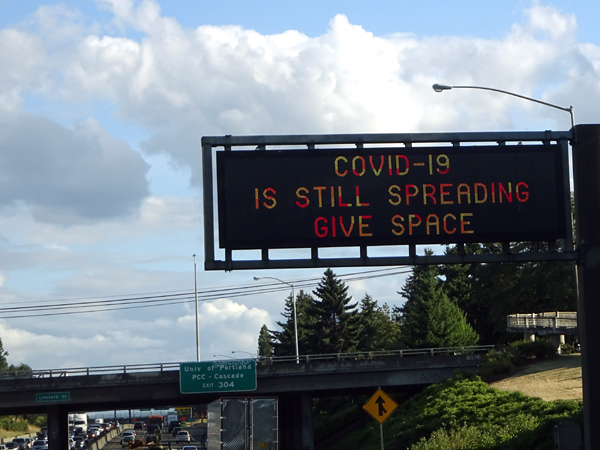
COVID-19 is not a hoax or exaggeration. The post calls for responsible behavior, respect for science, and empathy for the vulnerable. Denial endangers lives. Taking the virus seriously is a moral imperative.

Truth is not plural. The post critiques the idea of “alternative facts” and defends journalism as a public good. While bias exists, the solution is media literacy—not retreat into echo chambers. Reality must be shared to sustain democracy.

Media shape how we think, not what we think. The post explores framing, agenda-setting, and narrative influence, arguing that awareness—not rejection—is the key to navigating information. Blaming media oversimplifies complex dynamics.

A personal reflection on displacement, belonging, and identity. The post explores the emotional landscape of exile—voluntary or forced—and affirms that home is not just a place but a relationship to memory, culture, and self.

Sexual violence is widespread and often silenced. The post argues that “believe all women” means giving accusers the benefit of the doubt—not abandoning due process, but recognizing that survivors rarely speak lightly. Respecting the accuser is a moral imperative, and rigorous investigation should be welcomed by all parties.
Leftist thought must reject dogma and embrace ruthless criticism. The post traces Marx’s emphasis on intellectual freedom and warns against utopianism. True progressivism lies in democratic skepticism, not ideological purity. Social democracy, not authoritarian socialism, is the viable path forward.

Apocalypse means revelation—not destruction. The pandemic exposes systemic flaws: overreliance on global supply chains, lack of transparency, and erosion of democratic norms. The post calls for global cooperation, scientific discipline, and renewed commitment to human rights.

Democracy thrives on transparency, accountability, and trust. The post argues that open societies, despite their messiness, are best equipped to handle crises. Citizens must be treated as adults, not subjects. Science and reason—not coercion—are the sustainable tools of governance.

Happiness is fleeting but real. Drawing on religious and historical imagery, the post affirms that joy can be carved out even amid uncertainty. Life is shaped by hope, struggle, and the refusal to surrender to despair. Transcendence is possible—moment by moment.

Europe’s strength lies in its tension between integration and independence. The post defends pluralism, subsidiarity, and the coexistence of national identity with shared values. Unity must not erase difference; disunity must not undermine solidarity.

Passover is framed as a celebration of liberation and moral clarity. The post reflects on the symbolic power of the Exodus story, urging readers to confront oppression and embrace justice. Ritual becomes a reminder of historical struggle and ethical responsibility.
Human error is universal. The post critiques arrogance, tribalism, and the illusion of superiority. Wisdom begins with humility and the recognition that stupidity is not the exception—it’s the norm. Compassion requires accepting our shared fallibility.

Authoritarian regimes rely on deception to maintain control. Democracies, by contrast, embrace transparency and self-correction. The post defends democratic messiness as a sign of maturity, arguing that truth and accountability are essential to legitimacy.

A meditation on the surreal stillness of lockdown. The post captures the emotional dissonance of global crisis unfolding in quiet domestic spaces. Beneath the silence, history is shifting. The absence of spectacle does not mean the absence of significance.

Dialectics is framed as a method of intellectual humility—an openness to contradiction, synthesis, and revision. The post critiques binary thinking and defends complexity as essential to truth-seeking. Real understanding requires tension, not resolution.

A haunting meditation on insomnia, vulnerability, and existential dread. The speaker confronts the liminal space between reason and fear, where dreams fail to soothe and logic dissolves. The poem evokes a nocturnal reckoning with mortality and the unknown.

Retirement is becoming precarious. The post critiques austerity and the erosion of intergenerational support, arguing that older adults must be empowered to contribute economically and socially. Undermining retirement harms not just seniors—but the entire social fabric.

Initial skepticism toward Star Trek: Discovery gives way to appreciation. The post reflects on fan expectations, genre evolution, and the value of rewatching with fresh eyes. Discovery is defended as a worthy continuation of the franchise’s spirit.

Democracy demands the recognition that others may know what they’re doing—even if we disagree. The post critiques tribalism and partisan arrogance, affirming that inclusion, fallibility, and dialog are the foundations of democratic life.

Victory is not domination—it’s cooperation, empathy, and shared purpose. The post argues that real success lies in building bridges, not burning them. Winning means uplifting others, not defeating them.

A brief reflection on speechlessness in the face of complexity or grief. The post affirms that silence can be honest, and that not knowing what to say is sometimes the most truthful response.

Beginnings are framed as acts of courage. The post encourages readers to embrace change, let go of past failures, and step into new chapters with hope and intention. Renewal is always possible.

The holidays are portrayed as a time of reflection, connection, and quiet joy. The post resists commercialism and sentimentality, focusing instead on presence, gratitude, and the fragile beauty of shared time.
 Erratic Attempts