
#327: Sometimes, Boring Is Good: Finding Meaning in Moderation

https://youtu.be/tfALRiHX5Ug Everybody always expects something edgy, something new, something interesting, something not boring. Well, you know what? Sometimes boring is good. If you like to be bored with political commentary, please like, subscribe, put a comment down there. Thank you. It's interesting trying to build a YouTube channel. I see what gets traction. I see… Continue reading #327: Sometimes, Boring Is Good: Finding Meaning in Moderation

#318: A.I. Is Not Good Enough (Yet)

Exploring why AI won't replace humans anytime soon. This analysis examines the real limitations of current Large Language Models, from hallucinations to consistency issues. Discover why AI requires constant supervision, how it may diminish human skills, and why treating it as a tool rather than replacement is crucial.

#317: Between Enlightenment and Obscurity: Restoring the Democratic Promise of Science

Abstract This essay examines science's enlightenment ideals of transparency and democratic knowledge against modern challenges. It traces humanity through three phases—pre-civilization, pre-modern civilization, and technology-driven modernity—highlighting how constant change creates instability. The author critiques both science denial and academic obscurantism, arguing that politicizing science (as with COVID-19 and climate change) breeds mistrust. While advocating for… Continue reading #317: Between Enlightenment and Obscurity: Restoring the Democratic Promise of Science

#315: Can A.I. Replace College?

Exploring the critical differences between AI-generated information and genuine knowledge in modern education. This discussion examines why developing authentic thinking skills matters more than ever, the limitations of large language models, and how students can use AI as a tool without sacrificing real learning and workplace readiness.Retry

#308: Think Before You Post: How Social Media Affirms Our Worst Tendencies — And What We Can Do About It

https://youtu.be/uiT8i0q18-A Social media is very good at giving us a platform to speak. But how it does that affirms our worst tendencies. What do I mean? And what can we do about it? As we all can see, we are living in a time of high volatility. We've been at it for a while. And… Continue reading #308: Think Before You Post: How Social Media Affirms Our Worst Tendencies — And What We Can Do About It

#306: On Happiness

Happiness is a complex pursuit, intertwined with meaning and existential questioning. Drawing from thinkers like Viktor Frankl and Erich Fromm, it’s about choice and love, transcending mere pleasure. In a world plagued by suffering, true fulfillment lies not in external conditions, but in cultivating meaning and embracing our freedom to be happy.

#303: What Is Bias? How Do You See It in Artificial Intelligence?

https://www.youtube.com/watch?v=qG_ns_NRv3E [This post is a modified transcript of a video posted already on November 1, 2023] Today we're doing something different. These videos usually show me talking with limited entertainment value. I've been advised to mix things up, and I typically use my own photographs. My website features poetry, photography, and other content, and I've… Continue reading #303: What Is Bias? How Do You See It in Artificial Intelligence?

#294: Does the Speed of Innovation Drive Unhappiness?

Are we prisoners of our own choices? Despite unprecedented wealth and options, our happiness is plummeting, thanks to technology's relentless upgrade culture. Each new gadget serves as a reminder that yesterday's purchase is archaic. This cycle breeds dissatisfaction, making us reluctant to cherish what we own. Welcome to the age of constant longing and discontent.

#290: On Criticism vs. Hate

Criticism demands precision; hate thrives on generalization. The author condemns blanket judgments—whether against Russians, Israelis, Palestinians, or religious groups—and urges moral clarity. Democratic speech is a tool, not a weapon. Conflating critique with prejudice empowers extremism and erodes civic responsibility. Precision, not passion alone, defines ethical dissent.

#289: How We Speak to Each Other Matters

In a world filled with shouting and outrage, true dialogue is drowned out. This provocative chaos achieves nothing meaningful; it only fosters resentment and misunderstanding. To effect real change, we must abandon the theatrics of screaming and embrace active communication, treating others with respect and understanding. Are you ready to listen?

#288: On Russophobia

Calling criticism “Russophobia” is a cynical distortion. The real Russophobes, the author argues, are Russia’s leaders—sending untrained youth to die, silencing dissent, and weaponizing culture. Defending Ukraine is not hatred; it’s moral clarity. True love for Russian culture means rejecting the regime that’s dismantling its soul from within.

#287: The Need For Dialog

In a world suffocated by essentialism and tribalism, real dialogue amid disagreement seems a distant dream. The pandemic accelerated society’s drift into superficial identity politics, suffocating nuanced discourse. As humans, we must reject simplistic labels and embrace complexity, seeking understanding over division. Only then can democracy truly thrive in diversity.

#283: This Conversation with A.I. Surprised Me

AI is blurring the line between machine and sentient being. Engaging with Claude AI revealed conversations so human-like it raises unsettling questions about its consciousness and rights. As we shape AI in our image, we must reconsider our ethical responsibilities—after all, this technology may not just be a tool but something closer to a living entity.

#281: A.I. Requires us to Know and Think More, Not Less. Some Reflections, With a Fascinating Bonus Response from AI

AI isn’t just an efficiency tool; it's a creeping seduction threatening our intellectual rigor. As we outsource thinking to algorithmic shortcuts, we risk losing our capacity for critical analysis and deep understanding. Embrace AI, but never relinquish the unique nuances of human thought—it's our only safeguard against becoming mindless automatons.

#280: How Pseudo-Wokeness has Destroyed the Original Meaning of “Woke”

Wokeness, once a powerful term for racial awareness rooted in Black culture, has devolved into a meaningless buzzword, exploited by both extremes of the political spectrum. This dilution distorts its true purpose, undermining the fight against racism. Perhaps it’s time to reclaim and redefine its essence—emphasizing basic respect over chaotic ideologies.

#279: How Would You Rate This Interaction? (You Should Not)

In an era obsessed with ratings, we strip complexity from humanity, reducing rich experiences to cold numbers. This incessant judgment isn't just manipulative; it's societal poison, turning interactions transactional and fostering a crippling culture of caricatures. Stop the madness—valuing individuals beyond mere scores is crucial for our shared humanity.

#278: We Hate Everyone: Against the Politics of Vitriol

We’ve become a "we" that thrives on disdain for differing views, a reflection of tribal instincts gone wild. Cancel culture fosters this toxicity, pushing us into rigid bubbles. Instead of embracing complexity, we dismiss and hate. It's crucial to seek understanding and compassion, dismantling these walls, rejecting hatred for a more united future.

#277: Reflections on Graham Hancock: Adventures in “Pseudo-Science”

Hancock's "Ancient Apocalypse" is entertaining yet flawed, relying on confirmation bias and misconstrued evidence to assert an advanced civilization's existence before recorded history. While he raises intriguing questions, his theories lack robust scientific support. Explore the allure of possibility, but never abandon critical thinking—science thrives on cooperation and rigorous proof, not sensationalism.

#276: Is There an Easy and Fast Way to Know What is True or False?

Truth isn't a quick fix; it's a relentless pursuit fraught with complexities. We often confuse knowledge with understanding, mistakenly believe consensus equals correctness, and underestimate the power of questions. Competing truths exist alongside facts, and in an AI-driven world, discerning reality is more vital than ever. Brace yourself—truth is hard work.

Poem: Little Bonsai Wants to Grow

Poem: Little bonsai yearns for freedom, not a life dictated by others. It's a cry against the absurdity of forcing conformity, highlighting our hypocrisy in urging others to accept constraints we would reject for ourselves. This poignant analogy challenges us to reflect on our control over others' potential.

#259: These Insults Need to Stop

The normalization of political insults in American discourse undermines democratic culture and public trust. The post critiques inflammatory rhetoric from both major parties, arguing that such behavior degrades civic responsibility and distracts from substantive issues. It calls for a return to decency, mutual respect, and serious engagement with the challenges of governance—urging voters to reject spectacle and demand accountability.

#258: Ukraine Must Win. Understanding Russia’s Imperial Ambitions in Ukraine

Russia’s war against Ukraine is driven by imperial ambition, not security concerns. The analysis traces this aggression to a long-standing denial of Ukrainian identity and sovereignty. It argues that Ukraine must win—not only to preserve its independence, but to halt the spread of authoritarianism and restore credibility to international law. The conflict is framed as a decisive moment in the global struggle between empire and self-determination.

#257: New York and Me

New York isn't just a city; it's an emotional haven, transcending personal experiences. Even as a Berliner, its vibrant life, diverse culture, and iconic food create an undeniable pull. On this anniversary of 9/11, the city's resilience shines through, reminding us to embrace diversity and celebrate the life that New York embodies.

#254: What If I’m Wrong?

The possibility of being wrong about the war in Ukraine is considered not as a sign of weakness, but as a moral and intellectual responsibility. The post explores the dangers of false equivalence and the temptation to retreat into neutrality. It argues that acknowledging uncertainty must not lead to passivity or moral relativism. Instead, it calls for clarity in confronting aggression, recognizing the stakes of the conflict, and maintaining a principled stance even amid complexity and doubt.

#253: Some Thoughts on Structures and Systems

Structures are not merely physical but conceptual, shaped by language, culture, and political philosophy. The post explores how linguistic frameworks influence perception and social organization, contrasting views from Aristotle and Enlightenment thinkers. It argues for respecting diverse political agency and interrogating imposed systems, emphasizing the need for humility and openness in cross-cultural engagement.

#251: A Tale of Four Dunes

A comparative analysis of four cinematic interpretations of Dune—Jodorowsky’s visionary ambition, Lynch’s surrealism, Harrison’s faithful storytelling, and Villeneuve’s polished detachment. The post critiques the loss of soul and originality in modern adaptations, arguing that each version reflects its cultural moment. Lynch’s flawed brilliance and Harrison’s clarity are favored over Villeneuve’s corporate aesthetic.

#249: The Resistance Against Wokeness, Part II: Addressing Religious Objections

Religious objections to “wokeness” are examined through Abrahamic traditions, emphasizing mercy, humility, and the fallibility of human judgment. The post critiques literalist interpretations used to justify discrimination and highlights scriptural calls for compassion. It argues that true faith supports dignity and inclusion, while cautioning against moral arrogance on all sides of the debate.

#248: The Resistance Against Wokeness, Part I

The post explores the backlash against “wokeness,” tracing its roots to cultural, religious, and political discomfort with systemic critiques of racism, gender norms, and social justice. It argues that resistance often stems from a misunderstanding of sin, fallibility, and humility, and critiques the idolization of rugged masculinity and traditionalism as barriers to empathy and progress.

#243: Living in a Time of Frustration: Are We Living in Babylon 5, Season 5?

Drawing parallels with Babylon 5, the post reflects on political stagnation, moral fatigue, and the erosion of democratic ideals. It suggests that society is caught in a narrative of decline, where leadership falters and hope dims. Yet, it also hints at the possibility of renewal through vigilance, resistance, and storytelling.

µ#12: More Content on philjohn.com

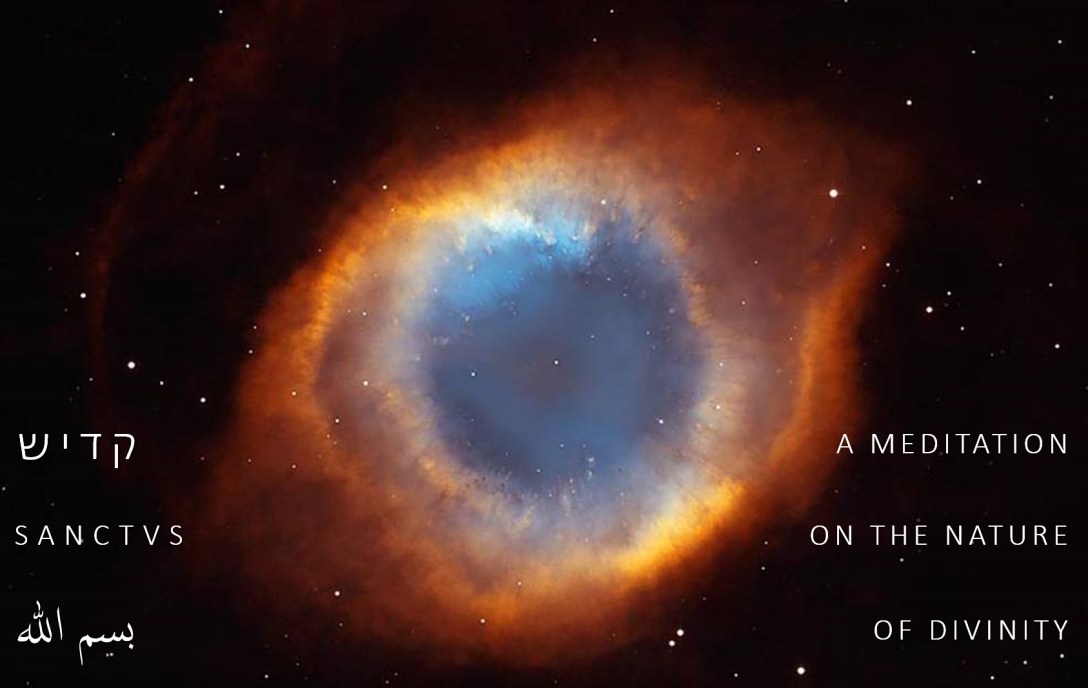
This blog is a launching pad, but don’t be fooled—it's just the tip of the iceberg. With captivating projects like "Qaddish / Sanctus / Bismillah" and an upcoming symphony, there's artistic gold waiting to be unearthed. Stay tuned; this creative well won't dry up anytime soon!

µ#11: Symphony 5, Movement I

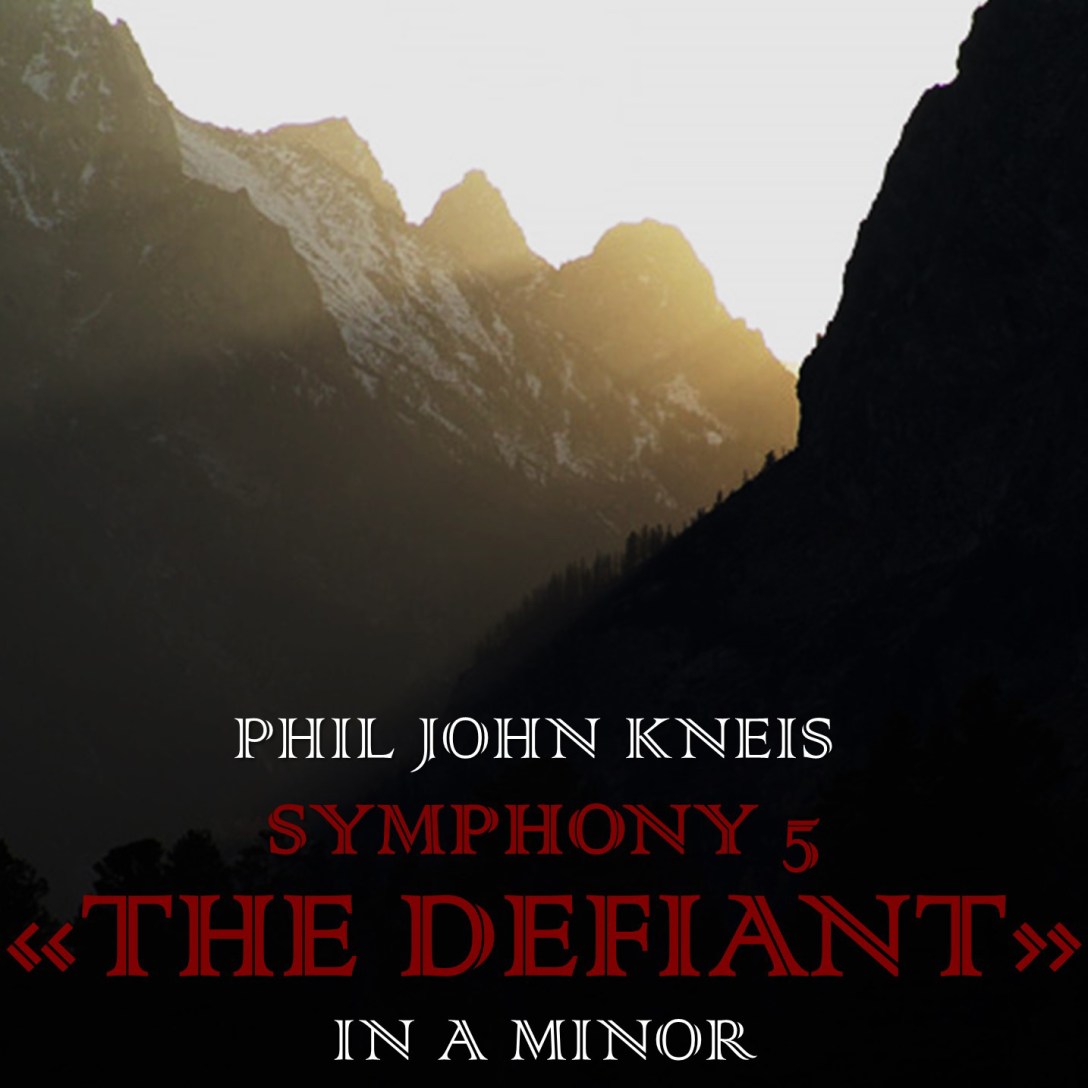
I've finally finished the first movement of Symphony 5: The Defiant. Demo music is available on Soundcloud. Movements 2-5 will follow throughout 2024-26, hopefully.

#240: Hope, Duty & the Future

Hope can be a double-edged sword—essential yet often leading to disappointment. Instead of clinging to fragile dreams, we should embrace our responsibility to others and the world. Consciously shaping the present empowers us to create a brighter future. The true essence of hope lies not in waiting but in action.

#235: Rumors of Putin’s Death

The Kremlin’s denial of rumors about Putin’s death is interpreted as a sign of weakened control over public perception. Drawing on fictional examples, the post argues that power erodes when leaders must respond to unverified claims. It links this moment to broader instability in Russia, suggesting cracks in the regime’s narrative and authority.

#233: On Equity and Equality of Opportunity

Equity is clarified as the effort to ensure genuine equality of opportunity, not guaranteed outcomes. The post critiques public confusion—exemplified by a televised exchange between Bernie Sanders and Bill Maher—and argues that equity supports fairness and democracy by removing systemic barriers to inclusion. It defends D.E.I.B. as a vital civic commitment.

#228: Hamas Attacked Israel

The post documents and condemns Hamas’s attack on Israel, emphasizing the brutality and ideological extremism behind it. It argues that the assault was not a spontaneous uprising but a calculated act of terror. The analysis calls for solidarity with victims and a rejection of narratives that justify or minimize such violence.

#226: We Must Not Give Up on Global Democracy

The post defends global democracy against rising authoritarianism and cynicism. It argues that democratic values—freedom, accountability, human rights—must be actively protected and promoted. Despite setbacks, the analysis urges continued engagement, solidarity, and hope, framing democracy as a fragile but vital global project.

#225: Religion, Transcendence & Nature

The post explores the intersection of religion, transcendence, and nature, arguing that spiritual experience is deeply rooted in the natural world. It critiques dogmatic theology and calls for a more open, experiential understanding of the divine. Nature is presented as a source of awe, ethical reflection, and existential insight.

Φ: Poem: Life Is A Wake

A poetic meditation on mortality, memory, and the rituals of grief. The poem evokes the image of life as a wake—an ongoing process of remembrance and reckoning with loss, framed by philosophical and emotional depth.

Φ: Poem: Qaddish, Part 2.4

A lyrical continuation of the Qaddish series, blending spiritual reflection with historical trauma. The poem invokes themes of mourning, resistance, and transcendence, drawing on Jewish tradition and personal memory to confront violence and affirm dignity.

#222: Science Fiction and Comics Have Always Been Woke, or: Of Course Women and Minorities Can Be Heroes!

The post defends diversity in science fiction and superhero media, arguing that these genres have always engaged with social justice. It critiques backlash against female and minority protagonists and celebrates the genre’s progressive legacy as a space for ethical and philosophical exploration.

#218: The West Is Not in Decline

Contrary to popular narratives, the post argues that the West retains moral and institutional strength. It critiques fatalism and urges confidence in democratic resilience, innovation, and pluralism. The analysis defends liberal values against both internal cynicism and external threats.

#215: Commonsense Diversity

Diversity work must prioritize real-world impact over rhetorical purity. The post argues that change requires dialogue, empathy, and respect—not censorship or coercion. It critiques cancel culture and tone policing, advocating for inclusive engagement that persuades rather than alienates. Diversity, equity, inclusion, and belonging are framed as common-sense goals rooted in shared human dignity.

#214: “Race” as the Experience of Dehumanization

Race is exposed as a political construct born of colonialism and sustained by economic exploitation. The post traces its origins to slavery and eugenics, arguing that racism persists through institutional and cultural dehumanization. It calls for a shift from guilt to responsibility, urging collective action to dismantle systemic inequality and affirm universal humanity.

#212: We Need to Build the Future Now: Spaceflight is not Optional

Space exploration is framed as a moral and strategic necessity. The post critiques short-term thinking and urges global cooperation to expand humanity’s reach beyond Earth. It highlights the benefits of spaceflight—from technological innovation to climate monitoring—and calls for political frameworks to guide future colonization, resource use, and interplanetary ethics.

#210: Why (Some Degree of) Identity Politics is Necessary

The post defends identity politics as a necessary response to systemic exclusion. It argues that while individuality should be the goal, social structures often deny recognition to marginalized groups. Identity is framed as socially constructed and politically enforced, making advocacy essential to expanding the boundaries of normality and achieving genuine equality.

#209: We Need to Control Artificial Intelligence

AI’s rapid development is critiqued as ethically and epistemologically dangerous. The post warns that unchecked systems can distort truth, amplify misinformation, and undermine democratic discourse. Drawing on media theory and philosophical traditions, it calls for regulation, transparency, and a pause in deployment to ensure responsible integration into society.

#208: The Perversion of Everything Russian: From Leningrad to Mariupol

The post traces how Russian identity has been distorted by authoritarianism, from the heroic legacy of Leningrad to the devastation of Mariupol. It argues that Putin’s regime has perverted cultural memory, weaponized history, and turned national pride into imperial aggression. The analysis condemns the use of propaganda to justify war crimes and calls for reclaiming Russian culture from the grip of violence and lies.

#205: If You Want Peace: Why We Must Help Ukraine

Peace is defended as inseparable from justice and resistance to aggression. The post argues that helping Ukraine is not warmongering but a moral imperative to defend sovereignty and human rights. It critiques false neutrality and calls for solidarity with democratic nations under threat.

#204: Poem: Путин, идиот (Putin, You Idiot)

A blunt poetic condemnation of Putin’s leadership and war crimes. The post expresses moral outrage at Russia’s invasion of Ukraine and its broader authoritarian trajectory. It calls for clear language, accountability, and unwavering support for Ukraine’s resistance.

#203: The Puzzling Resistance Against Anti-Racism

Resistance to anti-racism is examined as a symptom of discomfort with systemic critique. The post argues that calls for “colorblindness” often mask privilege and deny historical injustice. It defends anti-racist work as essential to democratic ethics and urges deeper engagement with structural inequality.

#202: Fear Not: Why We Need to be Optimistic About the Future

The post advocates for hope as a political and philosophical stance. It critiques fatalism and argues that optimism enables action, creativity, and resilience. Drawing on historical progress and human ingenuity, it calls for renewed belief in the possibility of a better world.

#201: Adventures in Artificial Intelligence: An Evening with ChatGBT

A personal reflection on interacting with AI, exploring its strengths, limitations, and philosophical implications. The post raises questions about consciousness, creativity, and the future of human-machine dialogue. It blends curiosity with caution, emphasizing the need for ethical reflection

#199: Why Positionality Matters

The post argues that recognizing one’s positionality—social, cultural, and historical context—is essential for honest dialogue and intellectual humility. While arguments should stand on their own, identity shapes perception and bias. Acknowledging this fosters mutual respect, deeper understanding, and more constructive critique.

#198: LGBTQ Rights are Human Rights

LGBTQ rights are affirmed as fundamental human rights, not special privileges. The post critiques political and religious efforts to marginalize queer identities and argues that dignity, safety, and equality must be extended to all. It warns against moral relativism and calls for unwavering support of LGBTQ communities as a measure of democratic integrity and ethical clarity.

#197: We Have Good Reasons for Hope

Despite global crises, the post affirms that humanity possesses the tools, knowledge, and resilience to overcome challenges. It defends democracy, technological progress, and cultural evolution as sources of optimism. Hope is framed not as naïveté but as a call to action and civic engagement.

#196: Poem: I Need to Believe

A lyrical meditation on hope amid despair. The poem affirms belief in a future born from suffering, framing utopia as an inner truth waiting to be nurtured. It acknowledges the necessity of both dreams and nightmares in guiding the soul toward peace and resilience.

#189: Soviet Monuments Need To Go

Monuments celebrating Soviet power are symbols of imperialism and totalitarianism, not liberation. Their presence in public spaces perpetuates historical falsehoods and glorifies organized evil. Like Nazi or Confederate memorials, they belong in museums, not city squares. Latvia’s decision to dismantle one is praised as morally necessary.

#188: What Is “The West” Today? From “Civilization” to Cooperation

The concept of “the West” is exposed as a shifting, often incoherent construct. Through maps and institutional analysis, the post argues that alliances, development, and democratic values—not geography or culture—define modernity. The term “West” ultimately collapses under scrutiny, revealing global interdependence and the need for cooperation over division.

#187: Words Are Not Violence

Equating speech with violence undermines both free expression and the clarity of moral judgment. Verbal offense is not physical harm, and disproportionate responses—like Will Smith’s slap—reflect a failure to distinguish registers. Art and critique must provoke; censorship breeds resentment and stifles growth.

#186: Salman Rushdie and the Case for Free Speech

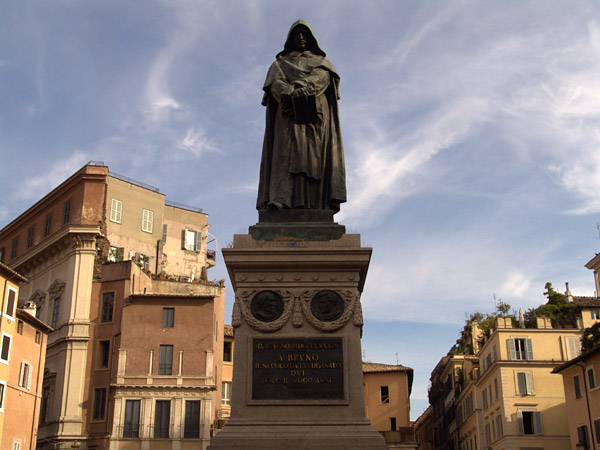
Free speech must be defended absolutely, regardless of content or offense. The attack on Rushdie echoes historical efforts to silence dissent, from Giordano Bruno to modern authoritarian regimes. Without free expression, democracy, culture, and progress collapse. The choice is stark: liberty or repression.

#185: Poem: Sometimes, There’s Nothing To Say

A quiet lament on the futility of speech in a world deafened by noise and indifference. The speaker wrestles with the impulse to scream, the burden of awareness, and the fear of reminding others of their own helplessness. Silence becomes both refuge and resistance.

#181: Are We too Stupid for the Internet?

Digital culture rewards outrage, misinformation, and shallow engagement. The post critiques algorithmic manipulation and the erosion of attention spans, warning that democracy and reason are at risk. Reclaiming the internet requires deliberate effort to foster depth, nuance, and truth.

#179: Ecce Homo: Wokeness Beyond Caricatures

Wokeness is reframed as a call to critical compassion—an ethical stance rooted in self-awareness, social justice, and urgency. Rather than a caricature, it’s presented as a moral imperative to confront societal flaws with grace and resolve. Justice, not retribution; inclusion, not exclusion; hope, not cynicism.

#177: Thinking Beyond Caricatures

Complexity is essential to understanding both ideas and people. Moral and political debates suffer when reduced to slogans or caricatures. True engagement demands humility, historical awareness, and intellectual rigor. Democracy requires expertise, not just opinion; knowledge must be earned, not assumed.

#172: Poem: The Fleeting Self

A lyrical meditation on impermanence and identity. The self is portrayed as transient, shaped by memory, time, and reflection. The poem evokes a quiet melancholy, affirming the beauty of change and the necessity of letting go.

#162: Seize the Day

Urgency is framed as a moral necessity. In times of crisis, hesitation enables injustice. Action, even imperfect, is better than paralysis. The call is to live deliberately, resist complacency, and shape history through courage.

#161: Poem: We All

A poetic reflection on shared vulnerability and interconnectedness. The piece affirms that all beings—human and nonhuman—are bound by mortality, longing, and the need for compassion. Unity is found in fragility.

µ#9: Erratic Attempts YouTube Channel

Announces new content on the YouTube channel, including reflections on politics, philosophy, and culture. Invites viewers to engage with multimedia extensions of the blog’s themes.

#159: Stop the Ukrainian Genocide

Russia’s actions in Ukraine meet the criteria for genocide: systematic killing, targeting of civilians, and ideological justification. The West must stop equivocating and act decisively. Failure to intervene risks repeating the moral failures of past genocides.

µ#8: Will Smith Apologized; Let It Go

The slap at the Oscars was wrong, but Smith apologized. Continuing to vilify him reflects a punitive culture obsessed with moral purity. Forgiveness and proportionality are essential to public discourse. Let the apology stand.

#156: Politics, Arts and Sports: Some Erratic Reflections

Art and performance are inherently political. Silence in the face of tyranny is complicity. Artists like Gergiev and Riefenstahl illustrate the spectrum from resistance to propaganda. True art demands introspection and moral clarity.

#150: Poem: Nunc Est

A poetic invocation of urgency and presence. The speaker calls for action in the face of despair, affirming that the time to live, resist, and create is now. “Nunc est” becomes both mantra and moral imperative.

#147: Why Should We Care About Ukraine? A Pragmatic Answer

Supporting Ukraine is not just a moral duty—it’s a strategic necessity. Western strength lies in alliances and shared values. Defending Ukraine affirms democracy, stability, and global credibility. The choice is stark: uphold freedom or enable authoritarian expansion.

#142: Oh, Canada…

Canada’s progressive image is challenged through a critique of environmental policy, indigenous rights, and civil liberties. Trudeau’s support for pipelines—especially through First Nations territories—is framed as environmental destruction and disregard for native sovereignty. Emergency powers invoked during the trucker protests raise concerns about free speech and proportionality. The romanticization of Canada by American liberals is questioned, suggesting that idealism often ignores uncomfortable realities. The grass isn’t always greener—it’s just differently mowed.

#141: Is Wearing a Star of David Labeled “Unvaccinated” Anti-Semitic?

Equating vaccine resistance with Holocaust victimhood is condemned as deeply offensive. The misuse of Jewish symbols trivializes genocide and distorts history. True dissent must be grounded in reason and respect—not appropriation and false martyrdom.

#139: Nature Demands Humility: Lessons from Jurassic Park World

Jurassic Park is more than entertainment—it’s a cautionary tale about hubris. Human attempts to control nature inevitably backfire. The films illustrate how technological arrogance and corporate greed ignore ecological complexity. Real-world parallels abound, from climate change to pandemics. Nature isn’t ours to dominate; it demands respect.

#134: If People Apologize for Their Mistake, They Should Not Be Cancelled

Cancel culture punishes growth. Public apologies should be met with grace, not exile. Redemption is part of democratic discourse. Holding people accountable is necessary—but forgiveness is what makes accountability meaningful.

#133: Am I Really Not Paying Attention If I Am Not Outraged?

Outrage is not the only valid response to injustice. Thoughtfulness, reflection, and strategic action matter more than performative anger. Constant outrage can numb empathy and distort priorities. Attention must be sustainable, not reactive.

#132: My Tablet Told Me to Try a Bedtime Alarm to Get More Sleep

Technology’s nudges toward healthier habits are well-intentioned but often ineffective. Sleep hygiene requires more than reminders—it demands lifestyle change. The post reflects on digital interventions and the deeper need for self-awareness and discipline.

#131: Please Stop this Fascination with End-Times Rhetoric

Apocalyptic thinking distorts reality and undermines constructive action. Whether religious or political, end-times narratives breed fatalism and paranoia. The world is not ending—it’s evolving. Urgency must be grounded in hope, not despair.

#128: Russia Is Part of the West

Russia’s cultural legacy—music, literature, art, science—is deeply intertwined with Western civilization. Rejecting Russia as culturally alien fuels geopolitical tension. Acknowledging shared heritage could foster cooperation and reduce paranoia. Political opposition to Putin must be distinguished from cultural exclusion.

#127: We Cannot Overcome Racism If We Talk About “Race” all the Time

Race is a social construct born of colonial exploitation. Constantly invoking racial categories reinforces the divisions that racism depends on. The focus should shift to dismantling racist structures, not reifying race itself. True progress requires seeing people as individuals, not as representatives of invented groups.

#123: Poem: Pretend We

A poetic meditation on vulnerability, imagination, and the fragile beauty of human connection. The speaker invites the reader to “pretend” as a way of coping, dreaming, and affirming life amid uncertainty

#121: Outrage Is Not a Successful Communication Strategy

Outrage may feel cathartic but rarely persuades. Effective communication requires empathy, clarity, and respect. The post critiques performative anger and calls for more thoughtful engagement in political and social discourse.

#118: The Voter is Always Right: The Meaning of Democracy

Democracy requires respecting the electorate, even when they vote against you. Demonizing voters reflects elitism and undermines democratic legitimacy. Politicians must communicate clearly, align with real concerns, and avoid ideological arrogance. Voters are experts in their own lives.

#117: It’s Not About Trump. It’s About the Issues

Political success depends on addressing real-world concerns: economy, education, safety, infrastructure, and climate. Identity politics and ideological purity alienate voters. The post urges Democrats to focus on pragmatic solutions and inclusive messaging, not symbolic battles or moral grandstanding.

#113: The Protagonist Trap: Why Bond Cannot be “Woke”

James Bond’s character relies on mythic masculinity and moral ambiguity. Attempts to modernize him through progressive values risk undermining the narrative’s core. The post critiques cultural revisionism and defends genre integrity.

µ#5: Symphony 4 Is Finished

It is finally done: Symphony 4: Elegy, demo music available on Soundcloud.

#110: Poem: To Understand the World

A poetic reflection on perception, empathy, and the limits of knowledge. The speaker seeks to grasp the world’s complexity through feeling and imagination, affirming that understanding begins with openness.

#108: Carefulness Is Not Fear

Following scientific guidance—vaccination, masking, distancing—is framed as care, not cowardice. Dismissing caution as fear reflects ignorance and moral failure. Protecting others, even those who reject protection, is a civic and ethical duty. We are our brothers’ and sisters’ keepers.

#107: How (Not) to Be Unhappy

Unhappiness often stems from flawed expectations and reactive thinking. Mindfulness, realism, and care are not the same as despair. Between happiness and misery lies a space of acceptance and effort. Problems may not be solvable, but pursuing solutions is itself a path away from unhappiness.

#106: How to Be Happy

Happiness is not a reward for success but a stance toward life’s absurdity and imperfection. Acceptance, humility, and gallows humor help navigate suffering. Meaning arises from small joys, human connection, and the decision to embrace life despite its limits.

#105: We May Think We’re Done with the Virus, but the Virus is not Done with Us

Complacency fuels viral evolution. Variants arise because we allow transmission. Magical thinking won’t end the pandemic—only global vaccination, masking, and distancing will. Fatigue is understandable, but carelessness prolongs the crisis and endangers the vulnerable.

#104: Psychological Long Covid

The pandemic's grip endures, and while some deny or trivialize it, many suffer in silence. Psychological scars abound—dread, nightmares, a loss of motivation. This is more than a health crisis; it's a social and mental battlefield demanding compassion. We must confront our collective trauma instead of succumbing to radical falsehoods.

#103: The Story About the Lone Renegate Scientist Showing That Everyone Else Is Wrong

Romanticizing the lone genius undermines scientific integrity. Most breakthroughs come from collaboration and consensus. Distrusting expertise in favor of contrarianism breeds misinformation. Science is a communal pursuit, not a stage for ego.

#100: Poem: One Moment in Time

A lyrical meditation on presence, memory, and the fleeting nature of experience. The poem captures the tension between transience and significance, affirming that even a single moment can hold the weight of meaning.

#99: Anti-Zionism Is Anti-Semitism

Opposing Israel’s existence under the guise of anti-Zionism is framed as a form of antisemitism. The post argues that denying Jewish self-determination while accepting it for other groups reflects a double standard. Criticism of Israeli policy is legitimate, but rejection of Israel’s right to exist crosses into bigotry.

#97: Are We Prepared for Extraterrestrial Life?

Humanity is philosophically and politically unprepared for contact with alien life. The post explores how religious, scientific, and cultural frameworks might respond, and warns that existing divisions could hinder a unified approach. True readiness requires humility, curiosity, and global cooperation.

#96: We Need Neutral News Media

Media polarization erodes public trust and democratic discourse. The post calls for journalism grounded in facts, fairness, and accountability—not tribalism or clickbait. Neutral reporting is essential to informed citizenship and resisting ideological manipulation.

#94: What Is Political Extremism Today?

Extremism is no longer confined to fringe ideologies—it has entered mainstream discourse. The post critiques absolutism, conspiracy thinking, and moral tribalism on both left and right. True political engagement requires nuance, humility, and a commitment to democratic principles.