#218: The West Is Not in Decline

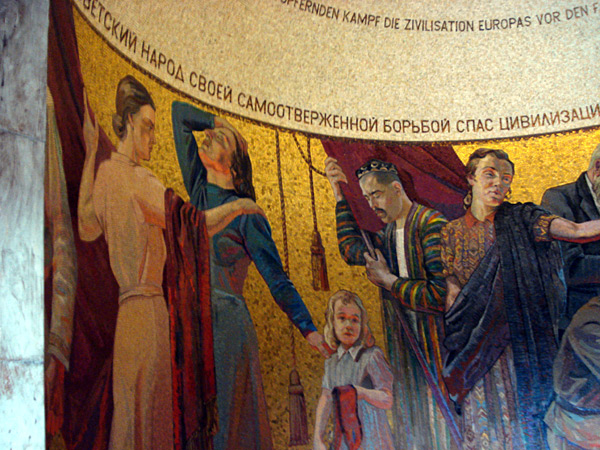
Contrary to popular narratives, the post argues that the West retains moral and institutional strength. It critiques fatalism and urges confidence in democratic resilience, innovation, and pluralism. The analysis defends liberal values against both internal cynicism and external threats.

#195: Fake “Referenda” Prove that Putin Doesn’t Want to Negotiate

The post exposes Russian-orchestrated referenda in occupied Ukraine as illegitimate and coercive. It argues that these actions reveal Putin’s refusal to negotiate and his intent to erase Ukrainian sovereignty. The analysis calls for global rejection of these tactics and continued support for Ukraine’s resistance.

#188: What Is “The West” Today? From “Civilization” to Cooperation

The concept of “the West” is exposed as a shifting, often incoherent construct. Through maps and institutional analysis, the post argues that alliances, development, and democratic values—not geography or culture—define modernity. The term “West” ultimately collapses under scrutiny, revealing global interdependence and the need for cooperation over division.

#178: Russia Deserves Better

Putin’s regime is weakening Russia through repression, propaganda, and war. The illusion of strength masks economic decline, diplomatic isolation, and moral failure. Democracy is not alien to Russian culture—it’s a suppressed possibility. A better future requires rejecting imperialism and embracing dignity, accountability, and reform.

#173: Putin and Lavrov Demonstrate the Weakness of Today’s Russia

Russia’s leadership reveals insecurity through aggression and delusion. Lavrov’s rhetoric and Putin’s war expose a regime clinging to imperial myths while alienating allies and undermining its own future. Strength is not measured by conquest but by stability, legitimacy, and global respect.

#170: Sanctions Against Russia Are Working – And Need to Be Even Stronger

Economic pressure is slowly eroding Russia’s capacity for war. Sanctions are painful but necessary, and their long-term impact will be decisive. The West must remain united and escalate measures to ensure accountability and deter future aggression.

#168: Why Must Ukraine Win?

Ukraine’s victory is essential to defending democracy, human rights, and international law. A Russian win would embolden authoritarian regimes and destabilize global order. Supporting Ukraine is not just strategic—it’s a moral imperative to protect freedom and resist tyranny.

#164: The Answer to Death is Life

Death is confronted not with despair but with affirmation. Life must be lived fully, ethically, and creatively in the face of mortality. Meaning arises from action, love, and the refusal to surrender to nihilism.

#160: Victim Blaming Par Excellence: Russia Complains About Those Helping Ukraine

Russia’s accusations against Western aid to Ukraine are condemned as hypocritical and manipulative. The regime blames others for its own aggression, twisting narratives to justify war. Supporting Ukraine is framed as a defense of truth and justice.

#154: Against Putin: Yes. Against Russia: No.

Criticizing Putin does not mean condemning all Russians. The distinction is vital. Many Russians oppose the war and suffer under the regime. Moral clarity requires targeting authoritarianism, not entire populations.

#147: Why Should We Care About Ukraine? A Pragmatic Answer

Supporting Ukraine is not just a moral duty—it’s a strategic necessity. Western strength lies in alliances and shared values. Defending Ukraine affirms democracy, stability, and global credibility. The choice is stark: uphold freedom or enable authoritarian expansion.

#144: Putin’s War Against Ukraine Is a War Against All of Us

The invasion of Ukraine is an attack on democracy, truth, and international law. It threatens global stability and moral order. Standing with Ukraine is not optional—it’s a defense of shared values and the future of free societies.

#142: Oh, Canada…

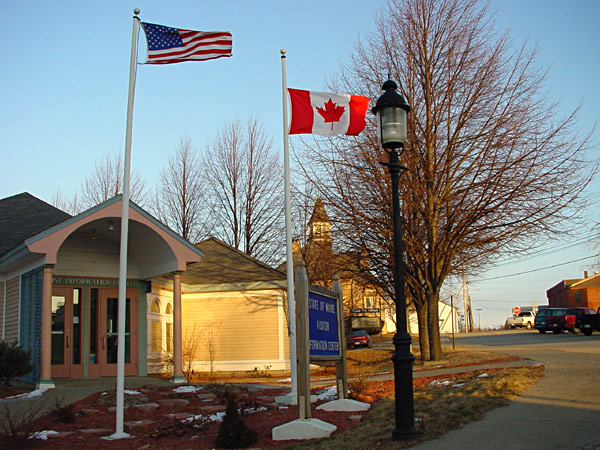
Canada’s progressive image is challenged through a critique of environmental policy, indigenous rights, and civil liberties. Trudeau’s support for pipelines—especially through First Nations territories—is framed as environmental destruction and disregard for native sovereignty. Emergency powers invoked during the trucker protests raise concerns about free speech and proportionality. The romanticization of Canada by American liberals is questioned, suggesting that idealism often ignores uncomfortable realities. The grass isn’t always greener—it’s just differently mowed.

#138: The West Is not Weak, But It Has Lacked Commitment

Western democracies have failed not due to weakness but due to apathy, short-term thinking, and moral fatigue. Afghanistan’s collapse is emblematic of a broader failure to follow through. Democracy requires sustained effort, not just rhetoric. Putin’s aggression is a wake-up call: values must be defended, not assumed.

#130: German Hypocrisy: How to Claim to be a Moral Leader While Acting Like an International Free-Loader. A Polemic

Germany’s reluctance to support Ukraine and invest in defense is critiqued as moral posturing without substance. The country benefits from global stability while avoiding responsibility. True leadership requires sacrifice, not just rhetoric. Europe’s future depends on shared commitment.

#128: Russia Is Part of the West

Russia’s cultural legacy—music, literature, art, science—is deeply intertwined with Western civilization. Rejecting Russia as culturally alien fuels geopolitical tension. Acknowledging shared heritage could foster cooperation and reduce paranoia. Political opposition to Putin must be distinguished from cultural exclusion.

#126: NATO Is Not Threatening Russia, and Putin Knows It. Some Thoughts on Solutions.

NATO’s expansion was voluntary and legal, driven by countries seeking protection from past Soviet aggression. Russia’s claims of threat are propaganda. A path forward could include diplomatic solutions, shared governance models, and even joint NATO membership—if Russia embraces democratic norms.

#91: The Transatlantic Perspective Needs to be Global

Western alliances must expand their worldview beyond Euro-American interests. The post calls for inclusive diplomacy, recognizing the agency of non-Western nations. A truly global perspective requires listening, learning, and sharing power.

#39: Free Speech is Absolute

Free speech must be protected without exception—even offensive speech. The post argues that truth emerges through peaceful, respectful, and equal exchange, not censorship. Suppressing speech leads to authoritarianism. Democracy depends on allowing disagreement, not silencing it.

#22: There Are No “Alternative” News Sources

Truth is not plural. The post critiques the idea of “alternative facts” and defends journalism as a public good. While bias exists, the solution is media literacy—not retreat into echo chambers. Reality must be shared to sustain democracy.

#14: The European Project Needs Both Unity and Disunity

Europe’s strength lies in its tension between integration and independence. The post defends pluralism, subsidiarity, and the coexistence of national identity with shared values. Unity must not erase difference; disunity must not undermine solidarity.

#11: Authoritarian Governments Must Lie, and Democracies are Grown-Up Systems

Authoritarian regimes rely on deception to maintain control. Democracies, by contrast, embrace transparency and self-correction. The post defends democratic messiness as a sign of maturity, arguing that truth and accountability are essential to legitimacy.