Poem: Little Bonsai Wants to Grow

Poem: Little bonsai yearns for freedom, not a life dictated by others. It's a cry against the absurdity of forcing conformity, highlighting our hypocrisy in urging others to accept constraints we would reject for ourselves. This poignant analogy challenges us to reflect on our control over others' potential.
Φ: Poem: Life Is A Wake

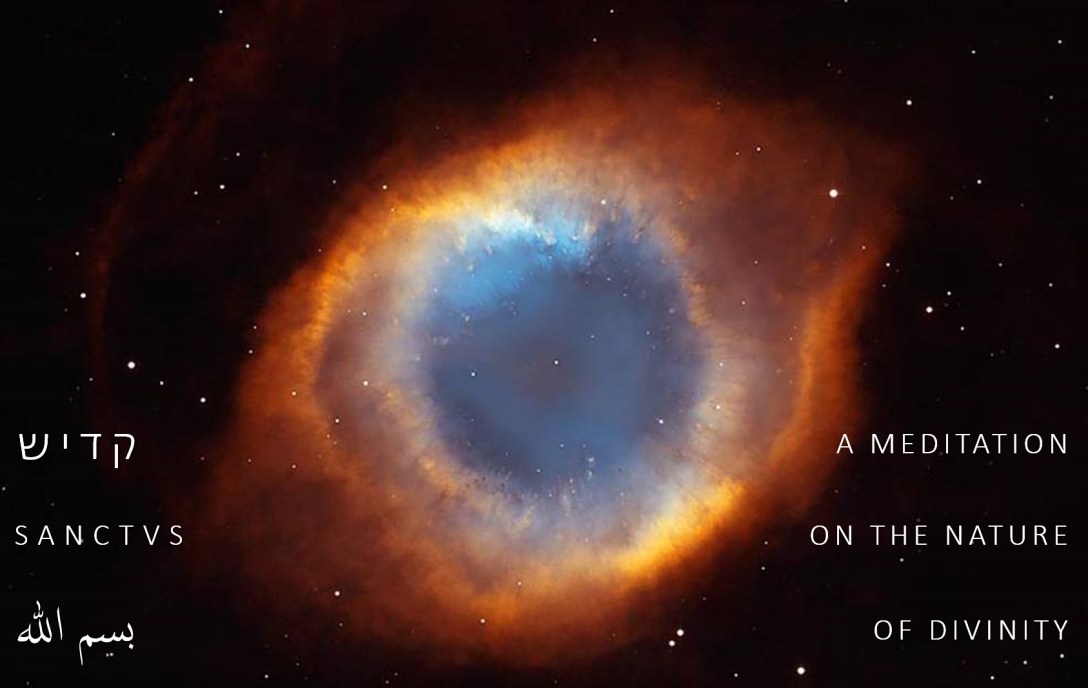
A poetic meditation on mortality, memory, and the rituals of grief. The poem evokes the image of life as a wake—an ongoing process of remembrance and reckoning with loss, framed by philosophical and emotional depth.

Φ: Poem: Qaddish, Part 2.4

A lyrical continuation of the Qaddish series, blending spiritual reflection with historical trauma. The poem invokes themes of mourning, resistance, and transcendence, drawing on Jewish tradition and personal memory to confront violence and affirm dignity.

#185: Poem: Sometimes, There’s Nothing To Say

A quiet lament on the futility of speech in a world deafened by noise and indifference. The speaker wrestles with the impulse to scream, the burden of awareness, and the fear of reminding others of their own helplessness. Silence becomes both refuge and resistance.

#172: Poem: The Fleeting Self

A lyrical meditation on impermanence and identity. The self is portrayed as transient, shaped by memory, time, and reflection. The poem evokes a quiet melancholy, affirming the beauty of change and the necessity of letting go.

#162: Seize the Day

Urgency is framed as a moral necessity. In times of crisis, hesitation enables injustice. Action, even imperfect, is better than paralysis. The call is to live deliberately, resist complacency, and shape history through courage.

#161: Poem: We All

A poetic reflection on shared vulnerability and interconnectedness. The piece affirms that all beings—human and nonhuman—are bound by mortality, longing, and the need for compassion. Unity is found in fragility.

#150: Poem: Nunc Est

A poetic invocation of urgency and presence. The speaker calls for action in the face of despair, affirming that the time to live, resist, and create is now. “Nunc est” becomes both mantra and moral imperative.

#123: Poem: Pretend We

A poetic meditation on vulnerability, imagination, and the fragile beauty of human connection. The speaker invites the reader to “pretend” as a way of coping, dreaming, and affirming life amid uncertainty

#110: Poem: To Understand the World

A poetic reflection on perception, empathy, and the limits of knowledge. The speaker seeks to grasp the world’s complexity through feeling and imagination, affirming that understanding begins with openness.

#100: Poem: One Moment in Time

A lyrical meditation on presence, memory, and the fleeting nature of experience. The poem captures the tension between transience and significance, affirming that even a single moment can hold the weight of meaning.

#70: Poem: Wake for a World out of Balance

A lyrical elegy for a planet in crisis. The poem mourns ecological destruction, political violence, and spiritual disconnection. It calls for remembrance, resistance, and a reawakening of conscience.

#13: Poem: Passover

Passover is framed as a celebration of liberation and moral clarity. The post reflects on the symbolic power of the Exodus story, urging readers to confront oppression and embrace justice. Ritual becomes a reminder of historical struggle and ethical responsibility.

#8: Poem: At the Hour of the Wolf

A haunting meditation on insomnia, vulnerability, and existential dread. The speaker confronts the liminal space between reason and fear, where dreams fail to soothe and logic dissolves. The poem evokes a nocturnal reckoning with mortality and the unknown.