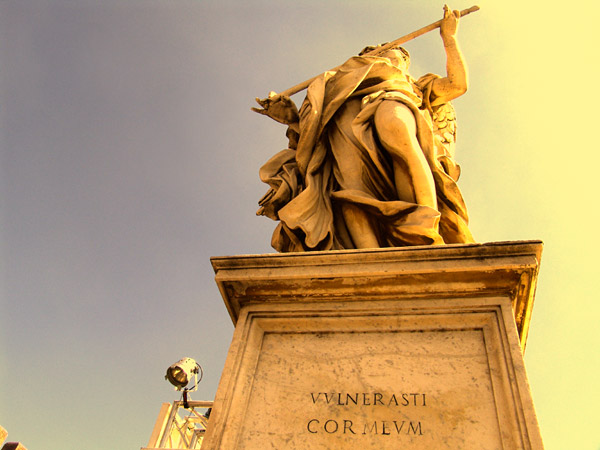
#256: Words Are Not Violence, But They Can Promote It

In a world spiraling into hate-fueled polarization, the author urges an urgent change of heart. Words may not hurt, but they lead to violence and societal decay. Rejecting the humanity of others poisons us all. Love and respect must triumph over judgment if democracy—and humanity—are to endure.

#215: Commonsense Diversity

Diversity work must prioritize real-world impact over rhetorical purity. The post argues that change requires dialogue, empathy, and respect—not censorship or coercion. It critiques cancel culture and tone policing, advocating for inclusive engagement that persuades rather than alienates. Diversity, equity, inclusion, and belonging are framed as common-sense goals rooted in shared human dignity.

#187: Words Are Not Violence

Equating speech with violence undermines both free expression and the clarity of moral judgment. Verbal offense is not physical harm, and disproportionate responses—like Will Smith’s slap—reflect a failure to distinguish registers. Art and critique must provoke; censorship breeds resentment and stifles growth.

#186: Salman Rushdie and the Case for Free Speech

Free speech must be defended absolutely, regardless of content or offense. The attack on Rushdie echoes historical efforts to silence dissent, from Giordano Bruno to modern authoritarian regimes. Without free expression, democracy, culture, and progress collapse. The choice is stark: liberty or repression.

#166: Reflections on Memorial Day

Memorial Day is honored as a moment to recognize the sacrifices made for freedom and democracy. While American foreign policy has flaws, its role in liberating Europe and defending human rights is affirmed. Patriotism, when grounded in humility and truth, remains vital.

#165: Realpolitik Is About Appeasing Power, not Reality or Morality

Realpolitik is critiqued as a cynical framework that prioritizes power over principle. It often enables authoritarianism by ignoring justice and truth. Moral clarity and democratic values must guide foreign policy, not transactional pragmatism.

µ#8: Will Smith Apologized; Let It Go

The slap at the Oscars was wrong, but Smith apologized. Continuing to vilify him reflects a punitive culture obsessed with moral purity. Forgiveness and proportionality are essential to public discourse. Let the apology stand.

#147: Why Should We Care About Ukraine? A Pragmatic Answer

Supporting Ukraine is not just a moral duty—it’s a strategic necessity. Western strength lies in alliances and shared values. Defending Ukraine affirms democracy, stability, and global credibility. The choice is stark: uphold freedom or enable authoritarian expansion.

#142: Oh, Canada…

Canada’s progressive image is challenged through a critique of environmental policy, indigenous rights, and civil liberties. Trudeau’s support for pipelines—especially through First Nations territories—is framed as environmental destruction and disregard for native sovereignty. Emergency powers invoked during the trucker protests raise concerns about free speech and proportionality. The romanticization of Canada by American liberals is questioned, suggesting that idealism often ignores uncomfortable realities. The grass isn’t always greener—it’s just differently mowed.

#141: Is Wearing a Star of David Labeled “Unvaccinated” Anti-Semitic?

Equating vaccine resistance with Holocaust victimhood is condemned as deeply offensive. The misuse of Jewish symbols trivializes genocide and distorts history. True dissent must be grounded in reason and respect—not appropriation and false martyrdom.

#134: If People Apologize for Their Mistake, They Should Not Be Cancelled

Cancel culture punishes growth. Public apologies should be met with grace, not exile. Redemption is part of democratic discourse. Holding people accountable is necessary—but forgiveness is what makes accountability meaningful.

#128: Russia Is Part of the West

Russia’s cultural legacy—music, literature, art, science—is deeply intertwined with Western civilization. Rejecting Russia as culturally alien fuels geopolitical tension. Acknowledging shared heritage could foster cooperation and reduce paranoia. Political opposition to Putin must be distinguished from cultural exclusion.

#121: Outrage Is Not a Successful Communication Strategy

Outrage may feel cathartic but rarely persuades. Effective communication requires empathy, clarity, and respect. The post critiques performative anger and calls for more thoughtful engagement in political and social discourse.

#118: The Voter is Always Right: The Meaning of Democracy

Democracy requires respecting the electorate, even when they vote against you. Demonizing voters reflects elitism and undermines democratic legitimacy. Politicians must communicate clearly, align with real concerns, and avoid ideological arrogance. Voters are experts in their own lives.

#94: What Is Political Extremism Today?

Extremism is no longer confined to fringe ideologies—it has entered mainstream discourse. The post critiques absolutism, conspiracy thinking, and moral tribalism on both left and right. True political engagement requires nuance, humility, and a commitment to democratic principles.

#80: There Is No Alternative to Dialog and Debate

Democracy depends on open discourse. The post critiques censorship, tribalism, and ideological rigidity, arguing that only through dialog can truth emerge and progress be made. Debate is not a threat—it’s a foundation.

#79: The Need for the Public Understanding of Humanities and Social Science Theory

Humanities and social sciences offer essential tools for interpreting power, culture, and identity. The post argues that public discourse suffers when these disciplines are dismissed as abstract or elitist. Theory is not a luxury—it’s a framework for understanding the world and shaping democratic debate.

#75: There Are No “Internal Matters”

Human rights violations are never purely domestic. The post rejects the idea that sovereignty excuses oppression, emphasizing that global solidarity and accountability are essential. Silence in the face of injustice—anywhere—is complicity.

#58: Question Everything; But Also Yourself

Free thought is essential, but so is self-reflection. The post defends skepticism as a civic virtue while warning against paranoia and solipsism. True intellectual freedom includes the ability to admit error, engage others, and remain open to correction.

#43: “Worst Persons” in the World: Hate Is the New Normal

Public discourse is increasingly shaped by outrage, vilification, and performative cruelty. The post critiques media and political figures who normalize hate, warning that democracy cannot survive without decency. Naming evil is necessary—but so is resisting its methods.

#40: Enabling Free Speech, or, the Problem of the Public Sphere

Free speech is essential—but it’s not absolute. The post explores how misinformation, hate speech, and performative outrage distort the public sphere. True discourse requires responsibility, context, and a shared commitment to truth. Liberty without ethics is chaos.

#39: Free Speech is Absolute

Free speech must be protected without exception—even offensive speech. The post argues that truth emerges through peaceful, respectful, and equal exchange, not censorship. Suppressing speech leads to authoritarianism. Democracy depends on allowing disagreement, not silencing it.

#21: Media: Don’t Tell People What To Think

Media shape how we think, not what we think. The post explores framing, agenda-setting, and narrative influence, arguing that awareness—not rejection—is the key to navigating information. Blaming media oversimplifies complex dynamics.

#16: Coronavirus and Democracy

Democracy thrives on transparency, accountability, and trust. The post argues that open societies, despite their messiness, are best equipped to handle crises. Citizens must be treated as adults, not subjects. Science and reason—not coercion—are the sustainable tools of governance.

#3: Don’t Know What to Say

A brief reflection on speechlessness in the face of complexity or grief. The post affirms that silence can be honest, and that not knowing what to say is sometimes the most truthful response.