#219: Some Reflections on Fukuyama and the End of History

Fukuyama’s thesis is revisited in light of contemporary authoritarian resurgence. The post critiques premature triumphalism and argues that democracy remains fragile and contested. It calls for renewed philosophical engagement with history, ideology, and the conditions of freedom.

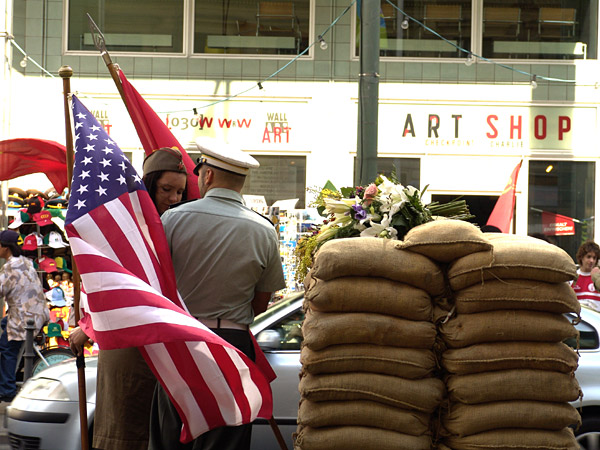
#192: Biden Needs to Unite, not Demonize: In a Democracy, the “Other Side” Is Not the Enemy

Labeling “MAGA Republicans” as enemies undermines democratic unity and fuels polarization. Effective leadership requires empathy, understanding, and practical solutions—not rhetorical escalation. Populism thrives on resentment; defeating it demands inclusive governance and respect for political opposition.

#166: Reflections on Memorial Day

Memorial Day is honored as a moment to recognize the sacrifices made for freedom and democracy. While American foreign policy has flaws, its role in liberating Europe and defending human rights is affirmed. Patriotism, when grounded in humility and truth, remains vital.

#147: Why Should We Care About Ukraine? A Pragmatic Answer

Supporting Ukraine is not just a moral duty—it’s a strategic necessity. Western strength lies in alliances and shared values. Defending Ukraine affirms democracy, stability, and global credibility. The choice is stark: uphold freedom or enable authoritarian expansion.

#138: The West Is not Weak, But It Has Lacked Commitment

Western democracies have failed not due to weakness but due to apathy, short-term thinking, and moral fatigue. Afghanistan’s collapse is emblematic of a broader failure to follow through. Democracy requires sustained effort, not just rhetoric. Putin’s aggression is a wake-up call: values must be defended, not assumed.

#4: How We Win

Victory is not domination—it’s cooperation, empathy, and shared purpose. The post argues that real success lies in building bridges, not burning them. Winning means uplifting others, not defeating them.