#314: Preserve Your Democracy. A Conversation with Konstantin Samoilov

https://youtu.be/66QuRaYYeTo Welcome everybody. Today I would really like to welcome Konstantin Samoilov. It is indeed a great honor to host you here and I hope we can have a fascinating conversation. Konstantin is most known for his YouTube channel, Inside Russia, in which he reports about what Russia has turned into in recent years. Konstantin… Continue reading #314: Preserve Your Democracy. A Conversation with Konstantin Samoilov

#253: Some Thoughts on Structures and Systems

Structures are not merely physical but conceptual, shaped by language, culture, and political philosophy. The post explores how linguistic frameworks influence perception and social organization, contrasting views from Aristotle and Enlightenment thinkers. It argues for respecting diverse political agency and interrogating imposed systems, emphasizing the need for humility and openness in cross-cultural engagement.

#231: Centrism Is a Methodology, Not Primarily an Ideology

Centrism is defended as a pragmatic approach to governance rooted in compromise, dialogue, and democratic values. The post argues that ideological purity undermines progress, while centrism enables sustainable change by engaging diverse perspectives. It presents centrism as a method for navigating complexity, not a weak or indecisive stance.

#229: Fighting for Love in Times of War

Amid war and hatred, the post calls for a radical commitment to love, empathy, and human dignity. It argues that emotional resilience and moral courage are essential to resisting dehumanization. Love is framed not as naïve sentiment, but as a political and ethical stance against violence and despair.

#219: Some Reflections on Fukuyama and the End of History

Fukuyama’s thesis is revisited in light of contemporary authoritarian resurgence. The post critiques premature triumphalism and argues that democracy remains fragile and contested. It calls for renewed philosophical engagement with history, ideology, and the conditions of freedom.

#218: The West Is Not in Decline

Contrary to popular narratives, the post argues that the West retains moral and institutional strength. It critiques fatalism and urges confidence in democratic resilience, innovation, and pluralism. The analysis defends liberal values against both internal cynicism and external threats.

#214: “Race” as the Experience of Dehumanization

Race is exposed as a political construct born of colonialism and sustained by economic exploitation. The post traces its origins to slavery and eugenics, arguing that racism persists through institutional and cultural dehumanization. It calls for a shift from guilt to responsibility, urging collective action to dismantle systemic inequality and affirm universal humanity.

#178: Russia Deserves Better

Putin’s regime is weakening Russia through repression, propaganda, and war. The illusion of strength masks economic decline, diplomatic isolation, and moral failure. Democracy is not alien to Russian culture—it’s a suppressed possibility. A better future requires rejecting imperialism and embracing dignity, accountability, and reform.

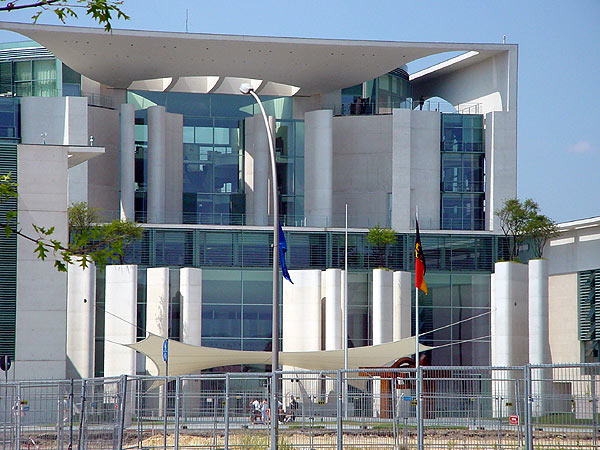
#130: German Hypocrisy: How to Claim to be a Moral Leader While Acting Like an International Free-Loader. A Polemic

Germany’s reluctance to support Ukraine and invest in defense is critiqued as moral posturing without substance. The country benefits from global stability while avoiding responsibility. True leadership requires sacrifice, not just rhetoric. Europe’s future depends on shared commitment.

#90: In Defense of “Wokeness”

Wokeness is defended as a moral stance rooted in empathy, justice, and historical awareness. The post critiques caricatures and argues that being “woke” means refusing complacency in the face of inequality. It’s not a fad—it’s a call to conscience.

#75: There Are No “Internal Matters”

Human rights violations are never purely domestic. The post rejects the idea that sovereignty excuses oppression, emphasizing that global solidarity and accountability are essential. Silence in the face of injustice—anywhere—is complicity.

#29: Black Lives Do Matter

Affirming that Black lives matter does not imply exclusion—it highlights a history of systemic neglect. The post defends the movement against misrepresentation and calls for recognition, education, and peaceful reform. Racism is a global issue, and acknowledging injustice is the first step toward change.