https://youtu.be/66QuRaYYeTo Welcome everybody. Today I would really like to welcome Konstantin Samoilov. It is indeed a great honor to host you here and I hope we can have a fascinating conversation. Konstantin is most known for his YouTube channel, Inside Russia, in which he reports about what Russia has turned into in recent years. Konstantin… Continue reading #314: Preserve Your Democracy. A Conversation with Konstantin Samoilov
Tag: freedom
#299: Democracy Beats Dictatorship Anytime
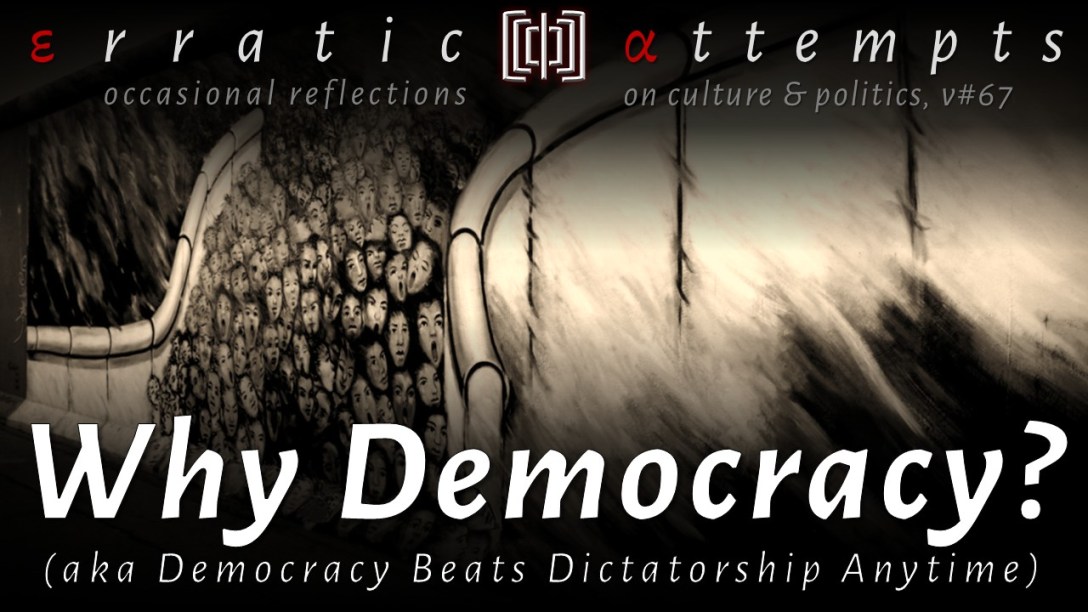
Democratic frustration drives dangerous fantasies about authoritarian alternatives. Yet examination of actual dictatorships—from Saudi Arabia's repression to China's surveillance state—reveals democracy's irreplaceable value. Even flawed democracies permit dissent, self-correction, and personal freedom. History demonstrates that "mild" autocracies inevitably tighten control. Democracy's messiness remains civilization's best defense against tyranny's seductive promises.RetryClaude can make mistakes. Please double-check responses.
#265: Ukraine Wants Peace and Russia Must Lose
Claims that Ukraine obstructs peace are dismissed as Russian propaganda. Ukraine seeks peace through sovereignty and justice, while Russia pursues domination and the erasure of Ukrainian identity. The war is framed as a moral struggle: defending democracy against tyranny. True peace requires Russia’s defeat, reparations, and accountability for its leadership.
#264: Freedom from Assad
The fall of Bashar al-Assad is presented as a victory for Syria and humanity, marking the end of a brutal regime responsible for torture, repression, and regional instability. The post links Assad’s defeat to the weakening of Russian and Iranian influence, and highlights Turkey’s role in supporting Syrian liberation. It raises questions about Syria’s future, emphasizing the need for moderation, justice, and democratic governance. The conclusion reflects on Syria’s ancient civilizational legacy and expresses hope for a more peaceful and dignified future for its people.
#256: Words Are Not Violence, But They Can Promote It
#254: What If I’m Wrong?
The possibility of being wrong about the war in Ukraine is considered not as a sign of weakness, but as a moral and intellectual responsibility. The post explores the dangers of false equivalence and the temptation to retreat into neutrality. It argues that acknowledging uncertainty must not lead to passivity or moral relativism. Instead, it calls for clarity in confronting aggression, recognizing the stakes of the conflict, and maintaining a principled stance even amid complexity and doubt.
#229: Fighting for Love in Times of War
Amid war and hatred, the post calls for a radical commitment to love, empathy, and human dignity. It argues that emotional resilience and moral courage are essential to resisting dehumanization. Love is framed not as naïve sentiment, but as a political and ethical stance against violence and despair.
#218: The West Is Not in Decline
#217: Thoughts on June 17: The GDR Was an Inhumane Dictatorship
#191: Remembering Mikhail Gorbachev
#187: Words Are Not Violence
Equating speech with violence undermines both free expression and the clarity of moral judgment. Verbal offense is not physical harm, and disproportionate responses—like Will Smith’s slap—reflect a failure to distinguish registers. Art and critique must provoke; censorship breeds resentment and stifles growth.
#186: Salman Rushdie and the Case for Free Speech
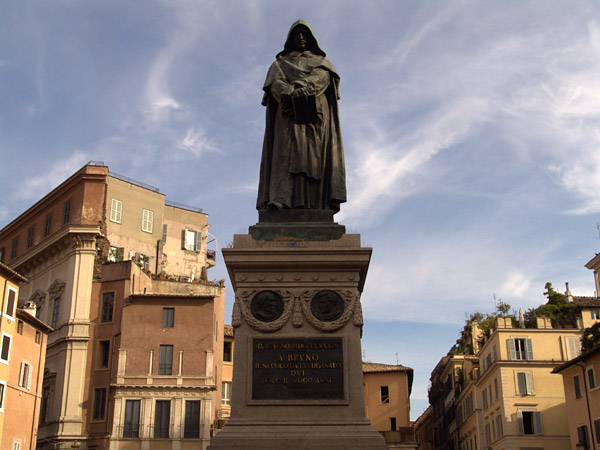
Free speech must be defended absolutely, regardless of content or offense. The attack on Rushdie echoes historical efforts to silence dissent, from Giordano Bruno to modern authoritarian regimes. Without free expression, democracy, culture, and progress collapse. The choice is stark: liberty or repression.