China's Tianjin parade signaled a "CRINKS" alliance of dictators—China, Russia, Iran, and North Korea—struggling amid economic weakness and regional tensions. While the West should stay vigilant, this military showcase is more desperation than might. The real power dynamic favors the West; fear is unwarranted—support democracy, strengthen alliances, and watch these regimes falter.
Tag: China
#299: Democracy Beats Dictatorship Anytime
Democratic frustration drives dangerous fantasies about authoritarian alternatives. Yet examination of actual dictatorships—from Saudi Arabia's repression to China's surveillance state—reveals democracy's irreplaceable value. Even flawed democracies permit dissent, self-correction, and personal freedom. History demonstrates that "mild" autocracies inevitably tighten control. Democracy's messiness remains civilization's best defense against tyranny's seductive promises.RetryClaude can make mistakes. Please double-check responses.
#296: Putin’s Mistakes
Putin’s hubris has led him to grave miscalculations, underestimating both the resilience of the West and the consequences of his authoritarian reign. His dismissal of opposition and reliance on natural resources over innovation have stagnated Russia, proving that true strength lies in the system, not the ruler. The war's toll is ultimately self-defeating.

#267: Are the United States Abandoning Europe?
The US, Europe’s historical protector, mustn’t bear the burden alone. With rising threats from Russia and China, European leaders are complacent, neglecting military readiness and partnerships. As democracy hangs in the balance, Europe needs to abandon its reliance on American power and take proactive measures. A wake-up call, indeed.
#242: On the Difference between Opposition and an Anti-Democratic Stance
The post distinguishes legitimate political opposition from movements that undermine democratic norms. It critiques tactics that delegitimize institutions, spread disinformation, or glorify authoritarianism, arguing that democracy requires both dissent and a shared commitment to truth, accountability, and peaceful governance.
#226: We Must Not Give Up on Global Democracy
The post defends global democracy against rising authoritarianism and cynicism. It argues that democratic values—freedom, accountability, human rights—must be actively protected and promoted. Despite setbacks, the analysis urges continued engagement, solidarity, and hope, framing democracy as a fragile but vital global project.
#219: Some Reflections on Fukuyama and the End of History
#218: The West Is Not in Decline
#207: Democracy Only Works with a Strong Separation of Powers
The post argues that liberal democracy depends on institutional checks and balances. Drawing on historical examples from Athens, Rome, and Weimar Germany, it warns against populist erosion of judicial and legislative independence. Democracy is framed not as majority rule, but as a system that protects individual rights through structural safeguards.
#197: We Have Good Reasons for Hope
#195: Fake “Referenda” Prove that Putin Doesn’t Want to Negotiate
The post exposes Russian-orchestrated referenda in occupied Ukraine as illegitimate and coercive. It argues that these actions reveal Putin’s refusal to negotiate and his intent to erase Ukrainian sovereignty. The analysis calls for global rejection of these tactics and continued support for Ukraine’s resistance.
#190: On the Ability of Russians to Suffer their Government
#189: Soviet Monuments Need To Go
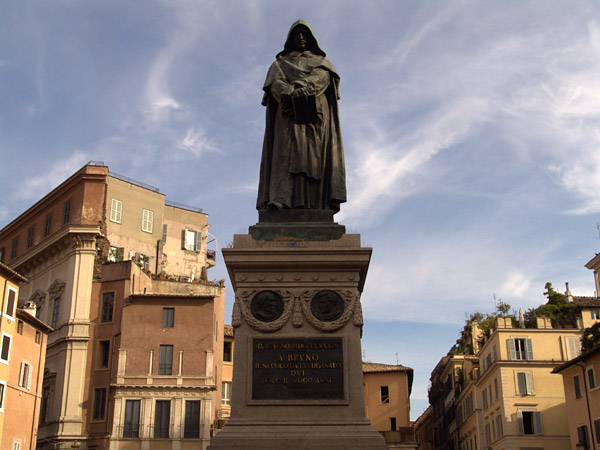
Monuments celebrating Soviet power are symbols of imperialism and totalitarianism, not liberation. Their presence in public spaces perpetuates historical falsehoods and glorifies organized evil. Like Nazi or Confederate memorials, they belong in museums, not city squares. Latvia’s decision to dismantle one is praised as morally necessary.
#188: What Is “The West” Today? From “Civilization” to Cooperation
The concept of “the West” is exposed as a shifting, often incoherent construct. Through maps and institutional analysis, the post argues that alliances, development, and democratic values—not geography or culture—define modernity. The term “West” ultimately collapses under scrutiny, revealing global interdependence and the need for cooperation over division.
#183: What Are Russians Thinking?
#178: Russia Deserves Better
Putin’s regime is weakening Russia through repression, propaganda, and war. The illusion of strength masks economic decline, diplomatic isolation, and moral failure. Democracy is not alien to Russian culture—it’s a suppressed possibility. A better future requires rejecting imperialism and embracing dignity, accountability, and reform.
#166: Reflections on Memorial Day
#165: Realpolitik Is About Appeasing Power, not Reality or Morality
#155: Dear Russia: Make It Stop
#153: The Monstrosity of Vladimir Putin: We Have Learned Nothing From History
#152: Democracy vs. Tyranny, or: How Does It Feel to Live in a Dictatorship?
#144: Putin’s War Against Ukraine Is a War Against All of Us
#138: The West Is not Weak, But It Has Lacked Commitment
Western democracies have failed not due to weakness but due to apathy, short-term thinking, and moral fatigue. Afghanistan’s collapse is emblematic of a broader failure to follow through. Democracy requires sustained effort, not just rhetoric. Putin’s aggression is a wake-up call: values must be defended, not assumed.