#277: Reflections on Graham Hancock: Adventures in “Pseudo-Science”

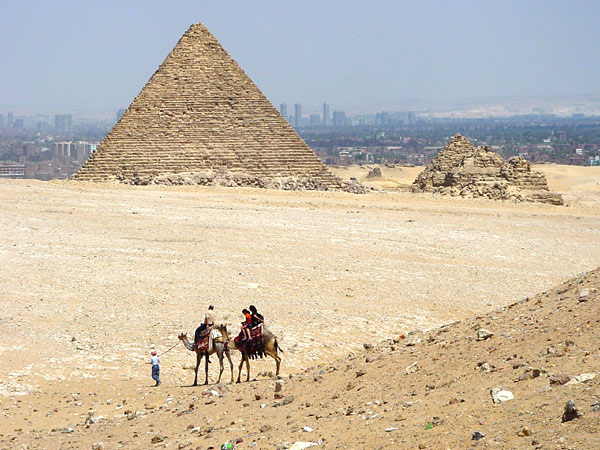
Hancock's "Ancient Apocalypse" is entertaining yet flawed, relying on confirmation bias and misconstrued evidence to assert an advanced civilization's existence before recorded history. While he raises intriguing questions, his theories lack robust scientific support. Explore the allure of possibility, but never abandon critical thinking—science thrives on cooperation and rigorous proof, not sensationalism.

#219: Some Reflections on Fukuyama and the End of History

Fukuyama’s thesis is revisited in light of contemporary authoritarian resurgence. The post critiques premature triumphalism and argues that democracy remains fragile and contested. It calls for renewed philosophical engagement with history, ideology, and the conditions of freedom.

#209: We Need to Control Artificial Intelligence

AI’s rapid development is critiqued as ethically and epistemologically dangerous. The post warns that unchecked systems can distort truth, amplify misinformation, and undermine democratic discourse. Drawing on media theory and philosophical traditions, it calls for regulation, transparency, and a pause in deployment to ensure responsible integration into society.

#184: Anecdotal Thinking, Science, Religion, and Policy

Anecdotes distort public understanding of science and policy. The post critiques emotional reasoning in debates about religion, health, and governance, arguing for evidence-based thinking. While stories can inspire, they must not replace rigorous analysis in shaping collective decisions.

#93: Don’t Picture This: The Trouble With Selfies

Selfies are critiqued as symbols of narcissism and digital detachment. The post explores how constant self-documentation distorts identity, undermines authenticity, and replaces experience with performance. Real presence demands stepping outside the frame.

#74: On the Difference Between Scientific and Mythological Thinking

Scientific thinking is empirical, provisional, and self-correcting. Mythological thinking is symbolic, moral, and narrative-driven. The post argues that both have value, but confusing them leads to epistemological chaos. Science explains; myth interprets. We need both—but must know which is which.

#72: Can We Trust The Media?

Media trust depends on transparency, accountability, and editorial integrity. The post critiques bias, sensationalism, and corporate influence, while defending the necessity of journalism. Trust must be earned—not assumed or rejected wholesale.