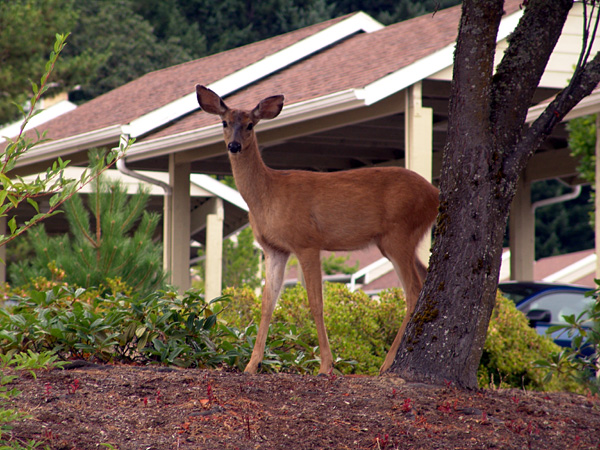
#200: The Nature Around Us

A contemplative meditation on nature’s beauty and fragility. The post reflects on ecological interconnectedness and the spiritual value of the natural world. It calls for environmental stewardship and a deeper appreciation of life beyond human constructs.

#139: Nature Demands Humility: Lessons from Jurassic Park World

Jurassic Park is more than entertainment—it’s a cautionary tale about hubris. Human attempts to control nature inevitably backfire. The films illustrate how technological arrogance and corporate greed ignore ecological complexity. Real-world parallels abound, from climate change to pandemics. Nature isn’t ours to dominate; it demands respect.

#115: Are We Anthropomorphizing Human Beings?

Modern discourse often treats people as characters in simplified narratives, stripping away complexity. The post critiques this tendency and calls for deeper understanding of human behavior, beyond stereotypes and performative identity.

#114: Be Quiet Sometimes

Silence is defended as a form of wisdom. Constant commentary and reactive speech dilute meaning. The post encourages intentional quiet as a way to listen, reflect, and restore clarity in a noisy world.

#107: How (Not) to Be Unhappy

Unhappiness often stems from flawed expectations and reactive thinking. Mindfulness, realism, and care are not the same as despair. Between happiness and misery lies a space of acceptance and effort. Problems may not be solvable, but pursuing solutions is itself a path away from unhappiness.

#86: Nature Is Stronger than Us: The Pandemic, not the Lockdown, Is the Problem

Lockdowns are a response to the virus—not the cause of suffering. The post critiques backward reasoning and emphasizes that nature, not human policy, drives pandemics. Patience, empathy, and realism are essential. We must accept our limits and learn from history, or we’ll repeat it.

#77: Animal Personalities

Animals exhibit distinct temperaments, preferences, and emotional responses. The post challenges the notion that personality is uniquely human, suggesting that recognizing individuality in animals deepens empathy and ethical awareness. Personality is not just cognitive—it’s relational.