
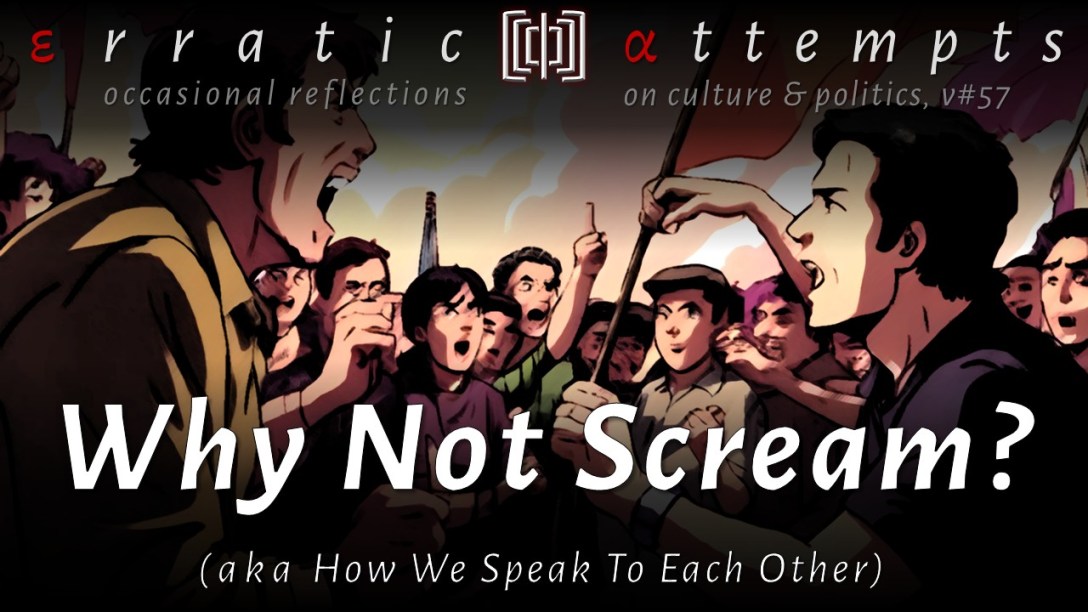
#289: How We Speak to Each Other Matters

In a world filled with shouting and outrage, true dialogue is drowned out. This provocative chaos achieves nothing meaningful; it only fosters resentment and misunderstanding. To effect real change, we must abandon the theatrics of screaming and embrace active communication, treating others with respect and understanding. Are you ready to listen?
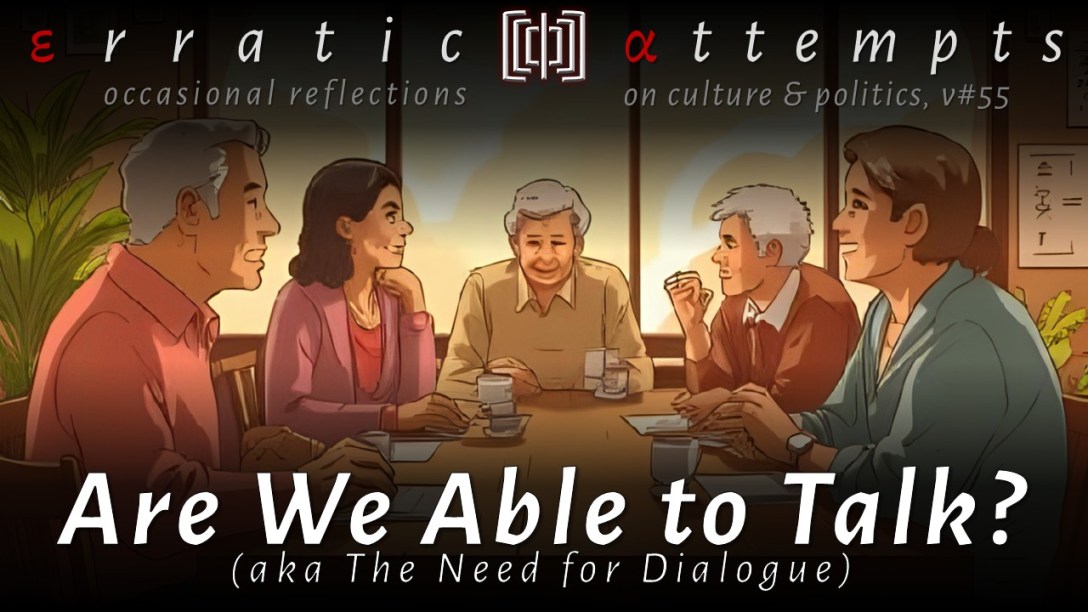
#287: The Need For Dialog

In a world suffocated by essentialism and tribalism, real dialogue amid disagreement seems a distant dream. The pandemic accelerated society’s drift into superficial identity politics, suffocating nuanced discourse. As humans, we must reject simplistic labels and embrace complexity, seeking understanding over division. Only then can democracy truly thrive in diversity.

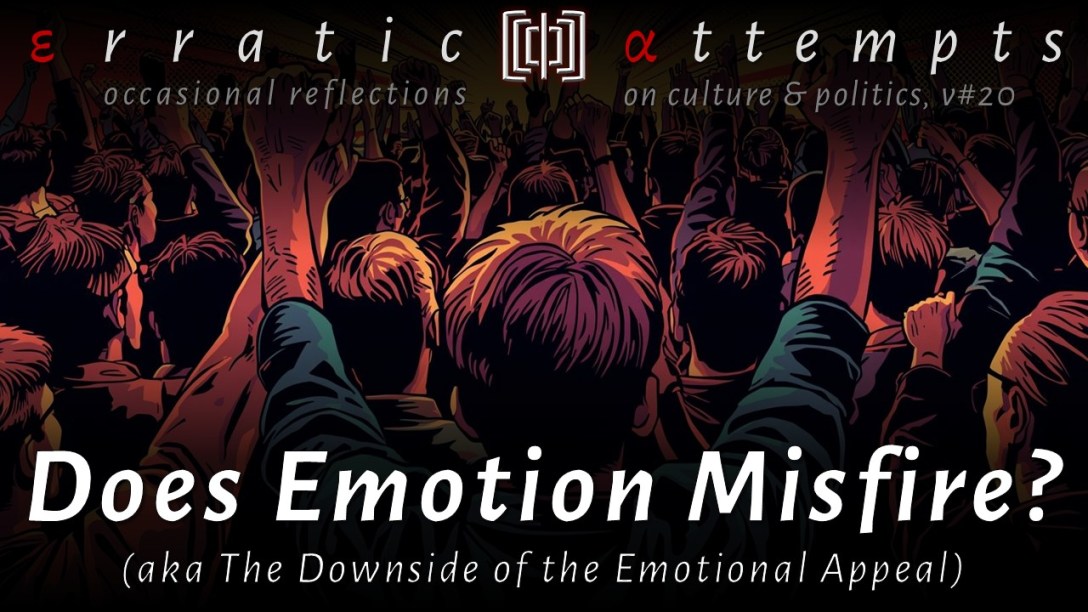
#232: The Downside of the Emotional Appeal

Emotional appeals in political discourse are critiqued as potentially manipulative and ineffective. The post argues that while emotion can initiate engagement, it must be followed by logic and evidence to create lasting change. Overreliance on personal stories risks solipsism, miscommunication, and alienation, especially in polarized environments.

#215: Commonsense Diversity

Diversity work must prioritize real-world impact over rhetorical purity. The post argues that change requires dialogue, empathy, and respect—not censorship or coercion. It critiques cancel culture and tone policing, advocating for inclusive engagement that persuades rather than alienates. Diversity, equity, inclusion, and belonging are framed as common-sense goals rooted in shared human dignity.

#199: Why Positionality Matters

The post argues that recognizing one’s positionality—social, cultural, and historical context—is essential for honest dialogue and intellectual humility. While arguments should stand on their own, identity shapes perception and bias. Acknowledging this fosters mutual respect, deeper understanding, and more constructive critique.

#133: Am I Really Not Paying Attention If I Am Not Outraged?

Outrage is not the only valid response to injustice. Thoughtfulness, reflection, and strategic action matter more than performative anger. Constant outrage can numb empathy and distort priorities. Attention must be sustainable, not reactive.

#121: Outrage Is Not a Successful Communication Strategy

Outrage may feel cathartic but rarely persuades. Effective communication requires empathy, clarity, and respect. The post critiques performative anger and calls for more thoughtful engagement in political and social discourse.