
#308: Think Before You Post: How Social Media Affirms Our Worst Tendencies — And What We Can Do About It
https://youtu.be/uiT8i0q18-A Social media is very good at giving us a platform to speak. But how it does that affirms our worst tendencies. What do I mean? And what can we do about it? As we all can see, we are living in a time of high volatility. We've been at it for a while. And… Continue reading #308: Think Before You Post: How Social Media Affirms Our Worst Tendencies — And What We Can Do About It

#289: How We Speak to Each Other Matters

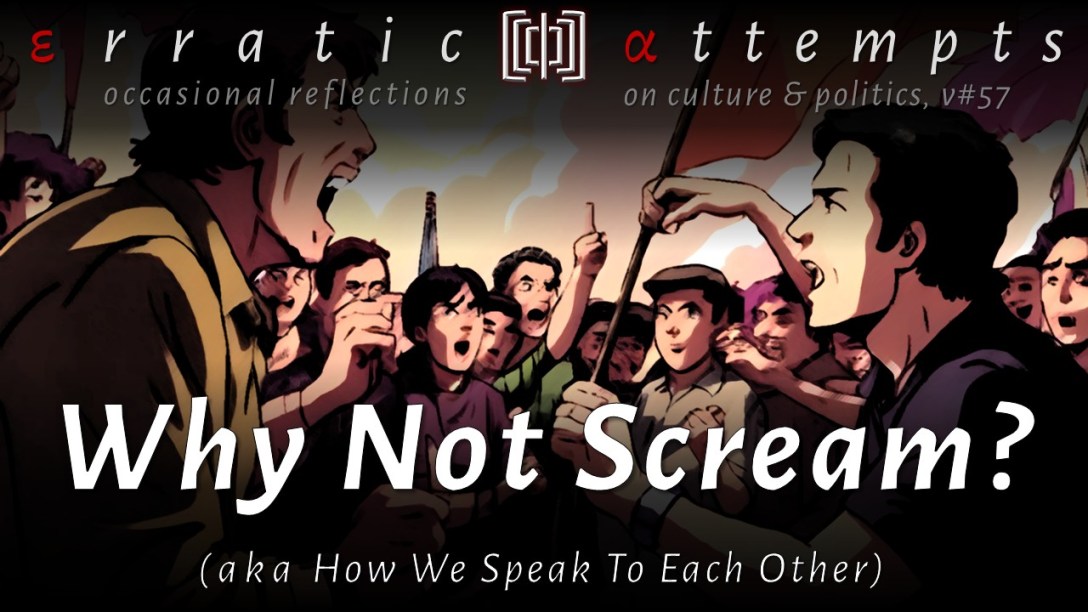
In a world filled with shouting and outrage, true dialogue is drowned out. This provocative chaos achieves nothing meaningful; it only fosters resentment and misunderstanding. To effect real change, we must abandon the theatrics of screaming and embrace active communication, treating others with respect and understanding. Are you ready to listen?

#275: You Don’t Have to React to Everything

In a world that demands instant reactions, it’s time to challenge the impulse to respond to every provocation. Thoughtful communication—rooted in context and awareness—often triumphs over impulsivity. Resist societal pressure, take a moment to reflect, and prioritize listening over shouting. Your voice matters, but shouldn’t always be unleashed.

#199: Why Positionality Matters

The post argues that recognizing one’s positionality—social, cultural, and historical context—is essential for honest dialogue and intellectual humility. While arguments should stand on their own, identity shapes perception and bias. Acknowledging this fosters mutual respect, deeper understanding, and more constructive critique.

#185: Poem: Sometimes, There’s Nothing To Say

A quiet lament on the futility of speech in a world deafened by noise and indifference. The speaker wrestles with the impulse to scream, the burden of awareness, and the fear of reminding others of their own helplessness. Silence becomes both refuge and resistance.

#133: Am I Really Not Paying Attention If I Am Not Outraged?

Outrage is not the only valid response to injustice. Thoughtfulness, reflection, and strategic action matter more than performative anger. Constant outrage can numb empathy and distort priorities. Attention must be sustainable, not reactive.

#121: Outrage Is Not a Successful Communication Strategy

Outrage may feel cathartic but rarely persuades. Effective communication requires empathy, clarity, and respect. The post critiques performative anger and calls for more thoughtful engagement in political and social discourse.