#330: US vs Europe: Tone It Down. Perception vs. Reality, Part II

Analysis of America's precarious dual role as Ukraine supporter and potential mediator, examining how misperceptions threaten transatlantic unity. Explores why capitalism favors peace, Trump's strategic counters to Russian influence, NATO funding tensions, and historical evidence that soft power outlasts military might, warning against catastrophic erosion of American global influence.

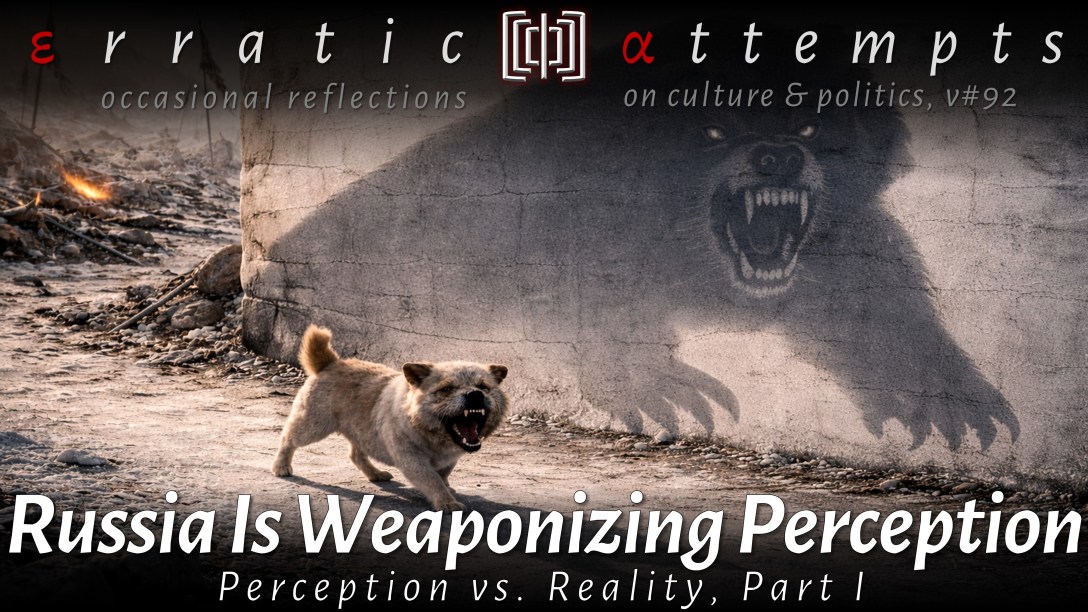
#329: Russia Is Weaponizing Perception: Perception vs. Reality, Part I

An analysis examining how perceptions distort understanding of the Ukraine-Russia conflict. Challenges assumptions about military superiority based on size, explores differences between NATO and Soviet military philosophies, addresses propaganda narratives from both sides, and discusses how historical events like the Holodomor shape current resistance while recommending reliable information sources.

#328: The New (In)Security Strategy?

The U.S. national security strategy reveals a troubling pivot away from Europe, exposing a naïve reliance on American protection. Europe needs a wake-up call, shedding its notion as a perpetual dependent. With threats from Russia escalating, complacency is a luxury Europe can no longer afford. A true partnership demands reciprocity and readiness.

#327: Sometimes, Boring Is Good: Finding Meaning in Moderation

https://youtu.be/tfALRiHX5Ug Everybody always expects something edgy, something new, something interesting, something not boring. Well, you know what? Sometimes boring is good. If you like to be bored with political commentary, please like, subscribe, put a comment down there. Thank you. It's interesting trying to build a YouTube channel. I see what gets traction. I see… Continue reading #327: Sometimes, Boring Is Good: Finding Meaning in Moderation

#326: Putin Does Not Want Peace

https://youtu.be/d8yjkSMdrlw Again, it is clear Russia does not want peace. Now, after yet another series of days, even weeks of talking about the possibility that Russia would want peace—after all these meetings with Witkoff, Rubio, the Russian side, even the Ukrainian side—it is clear: if you ever thought that Russia just wants peace with Ukraine,… Continue reading #326: Putin Does Not Want Peace

#325: Why Russia’s 28 Points Will Fail: Ukraine Has Agency & Support

Analysis of Russia's leaked 28-point peace plan reveals Moscow's continued miscalculation about Ukrainian agency and European resolve. As Russia exhausts resources in urban warfare while Ukraine targets oil infrastructure, the diplomatic manipulation attempt exposes fundamental misunderstandings about modern geopolitical reality and the limits of great power influence.

#324: Ukraine Is Fighting Corruption: Our Support Is More Important Than Ever

Analysis of Ukraine's simultaneous battles against corruption and Russian aggression. Examines how Zelensky's "Servant of the People" diagnosed systemic problems, recent anti-corruption efforts, and why supporting Ukrainian institutional reform matters for European stability. Explores corruption as informal systems and the role of EU/NATO frameworks in promoting transparency and accountability.Retry

#323: Did Sanity Prevail? Government Shutdowns Still Make No Sense

https://youtu.be/8anLJ3nR1wE Sometimes sanity wins. This government shutdown was a mistake from day one. Thankfully, the end of this dangerous tactic is near. Hopefully now maybe the midterms can motivate both parties to do something about the rising cost of everything without holding the people hostage again. If you are interested in long-form political commentary, please… Continue reading #323: Did Sanity Prevail? Government Shutdowns Still Make No Sense

#322: Putin Fears Russia’s Breakup. A Brief Lesson in Russian Propaganda

https://youtu.be/kYcdZkkYdjI Putin says the West is failing to weaken and divide Russia, which means he is concerned that the West is weakening and dividing Russia. Otherwise, he wouldn't say this. Let's talk about Russian propaganda. If you're interested in this kind of commentary, please like, subscribe, and comment. Thank you. First, let me start by… Continue reading #322: Putin Fears Russia’s Breakup. A Brief Lesson in Russian Propaganda

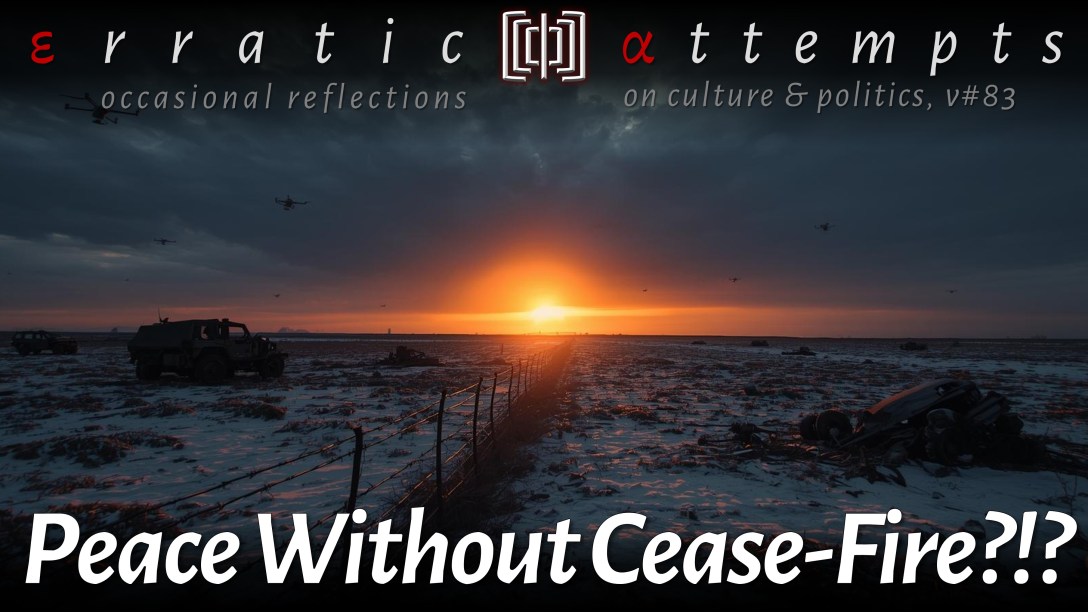
#320: Peace Without Cease-Fire Makes No Sense

Analysis of Russia's contradictory stance claiming to want peace while refusing ceasefires and continuing attacks on Ukraine. Examines how Russian propaganda reveals imperial ambitions, why negotiations fail, and what genuine peace requires. Explores the impossibility of peace talks while aggression continues and the fundamental issues preventing conflict resolution.

#319: Russia Demands Surrender

Analysis of Lavrov's recent statements exposing Russia's rejection of genuine peace with Ukraine. Despite ceasefire discussions, Russia maintains maximalist demands including regime change and territorial control. The video examines why Russia's inflexibility reveals weakness rather than strength, and why complete withdrawal remains the only viable solution to the conflict.

#318: A.I. Is Not Good Enough (Yet)

Exploring why AI won't replace humans anytime soon. This analysis examines the real limitations of current Large Language Models, from hallucinations to consistency issues. Discover why AI requires constant supervision, how it may diminish human skills, and why treating it as a tool rather than replacement is crucial.

#317: Between Enlightenment and Obscurity: Restoring the Democratic Promise of Science

Abstract This essay examines science's enlightenment ideals of transparency and democratic knowledge against modern challenges. It traces humanity through three phases—pre-civilization, pre-modern civilization, and technology-driven modernity—highlighting how constant change creates instability. The author critiques both science denial and academic obscurantism, arguing that politicizing science (as with COVID-19 and climate change) breeds mistrust. While advocating for… Continue reading #317: Between Enlightenment and Obscurity: Restoring the Democratic Promise of Science

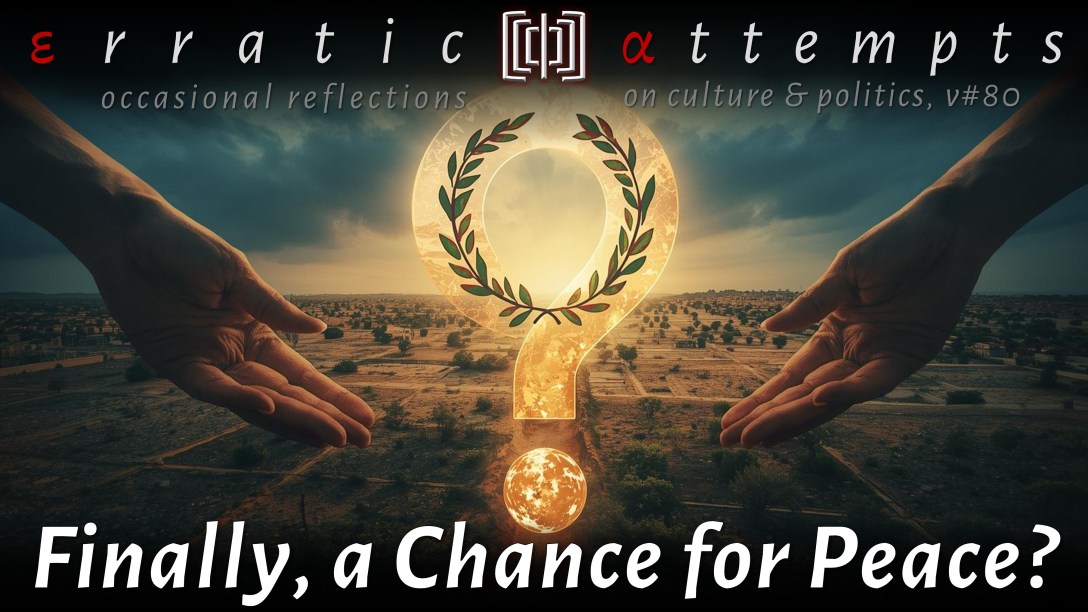
#316: Finally, A Chance for Peace in the Middle East?

Analysis of the recent Middle East peace breakthrough examining the ceasefire agreement and hostage release. This discussion explores moving beyond partisan politics to recognize diplomatic achievements. Understanding that peace requires deescalation in communication and giving credit where due, regardless of political preferences, for the benefit of global stability.

#315: Can A.I. Replace College?

Exploring the critical differences between AI-generated information and genuine knowledge in modern education. This discussion examines why developing authentic thinking skills matters more than ever, the limitations of large language models, and how students can use AI as a tool without sacrificing real learning and workplace readiness.Retry

#314: Preserve Your Democracy. A Conversation with Konstantin Samoilov

https://youtu.be/66QuRaYYeTo Welcome everybody. Today I would really like to welcome Konstantin Samoilov. It is indeed a great honor to host you here and I hope we can have a fascinating conversation. Konstantin is most known for his YouTube channel, Inside Russia, in which he reports about what Russia has turned into in recent years. Konstantin… Continue reading #314: Preserve Your Democracy. A Conversation with Konstantin Samoilov

#313: Government Shutdowns Make No Sense – Specifically This One

A government shutdown? Absolutely ludicrous! Instead of negotiating effectively, both parties are just playing politics, risking federal infrastructure and economic growth. The Democrats think they can emerge victorious, but the Republicans are already digging in for deeper cuts. This charade must end—stop the madness and sign a resolution now!

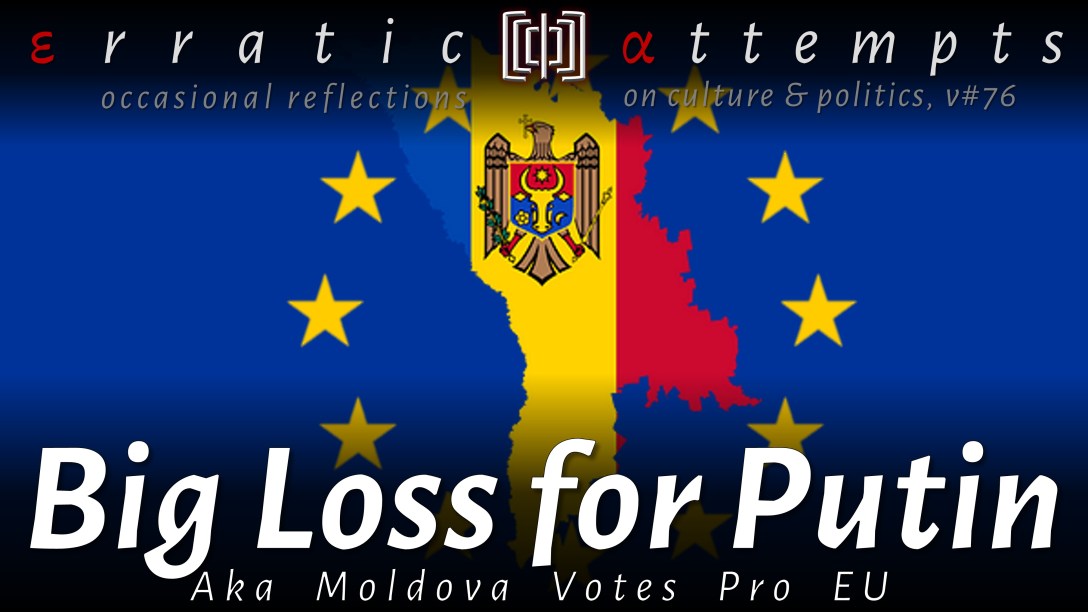
#312: Big Loss for Putin: Moldova Votes Pro EU

Maia Sandu's pro-EU party wins Moldova's elections with absolute majority, defeating Putin's influence despite massive Russian propaganda. Historic victory proves democracy prevails, EU remains attractive, and Putin's soft power crumbles. Even Europe's poorest country chooses Western integration over Russian control. Major geopolitical shift for Eastern Europe.

#311: A.I. and Civic Responsibility

This analysis explores the dangerous intersection of artificial intelligence, democratic principles, and citizen sovereignty. As AI becomes universally accessible, every individual may soon possess tools capable of mass destruction. The discussion examines how democratic societies can preserve human agency and responsible citizenship when artificial intelligence threatens to replace human judgment and knowledge.

#310: Dare to be Centrist, Aka, Why Centrism Is Necessary

Centrism is under siege, labeled outdated and irrelevant, yet it’s the critical glue for society's discourse. The assassinations, ideological purities, and performative politics render dialogue scarce. Embracing complexity and diverse thought is essential for progress, but many opt for convenient talking points. Only through uncomfortable compromise can true understanding thrive.

#309: Against Group-Think

In a world where tribalism reigns, is loyalty to flawed groups worth your moral integrity? As ideologies shift, we must confront whether belonging binds us or stifles individuality. True identity transcends these constructed affiliations; break free from toxic ties and embrace the diversity of thought that enriches our humanity.

#306: On Happiness

Happiness is a complex pursuit, intertwined with meaning and existential questioning. Drawing from thinkers like Viktor Frankl and Erich Fromm, it’s about choice and love, transcending mere pleasure. In a world plagued by suffering, true fulfillment lies not in external conditions, but in cultivating meaning and embracing our freedom to be happy.

#305: How to Stay Human in an AI World: The Power of Authentic Communication

Artificial Intelligence is evolving, but can it match human authenticity? In a world drowning in AI-generated content, the real challenge lies in genuine communication. It’s not about sensationalism; it’s about fostering meaningful discourse. Society must cultivate measured authenticity to guide AI, ensuring it reflects our best traits, not our worst.

#304: Challenging the West? The 2025 Shanghai Cooperation Summit in Tianjin

China's Tianjin parade signaled a "CRINKS" alliance of dictators—China, Russia, Iran, and North Korea—struggling amid economic weakness and regional tensions. While the West should stay vigilant, this military showcase is more desperation than might. The real power dynamic favors the West; fear is unwarranted—support democracy, strengthen alliances, and watch these regimes falter.

#303: What Is Bias? How Do You See It in Artificial Intelligence?

https://www.youtube.com/watch?v=qG_ns_NRv3E [This post is a modified transcript of a video posted already on November 1, 2023] Today we're doing something different. These videos usually show me talking with limited entertainment value. I've been advised to mix things up, and I typically use my own photographs. My website features poetry, photography, and other content, and I've… Continue reading #303: What Is Bias? How Do You See It in Artificial Intelligence?

#302: Can Ukraine Just Give Up?

Peace talks with Putin mean surrender, not safety. Russia seeks Ukraine’s erasure, not compromise. Every “white flag” demand ignores the genocide already unfolding. Supporting Ukraine isn’t optional—it’s survival for democracy itself. Only Russian defeat can end the killing and open a path toward a better, freer Russia.

#301: Does Putin Love Russia?

Putin does not love Russia—he exploits it. True love of country means caring for its people, not sacrificing them to imperial delusions. His wars, repression, and destruction expose hatred disguised as patriotism. Ukraine’s survival demands Russia’s defeat—and only then can Russians reclaim their nation from his toxic legacy.

#300: Erratic Attempts: Crisis, Opportunity, and Simply Life

Me, Myself & I With this being my 300th post on this blog, please allow me some thoughts of a more personal nature, hopefully though with some relevance for all of us. We all, I assume, want some sense of stability, of normalcy, of predictability. When we go to bed at night, we probably hope… Continue reading #300: Erratic Attempts: Crisis, Opportunity, and Simply Life

#299: Democracy Beats Dictatorship Anytime

Democratic frustration drives dangerous fantasies about authoritarian alternatives. Yet examination of actual dictatorships—from Saudi Arabia's repression to China's surveillance state—reveals democracy's irreplaceable value. Even flawed democracies permit dissent, self-correction, and personal freedom. History demonstrates that "mild" autocracies inevitably tighten control. Democracy's messiness remains civilization's best defense against tyranny's seductive promises.RetryClaude can make mistakes. Please double-check responses.

#298: Ukraine Can and Will Win. Why and How?

Ukraine's victory over Russia appears increasingly inevitable despite widespread pessimism. Putin's strategic miscalculations—failing to manipulate Trump, underestimating European resolve, and stalling military offensives—reveal fundamental weaknesses. Ukraine's technological innovation, democratic resilience, and forward-looking strategy contrast sharply with Russia's backward-looking imperial nostalgia. Historical precedent confirms: ideologues lose to pragmatists in prolonged conflicts.

#297: Europe Must Step Up to Support Ukraine

Europe must wake up and act against the existential threat posed by Russia. Mere reliance on U.S. support is futile; Europe needs troops, no-fly zones, and a cohesive foreign policy. The fate of democracy in Ukraine and beyond hinges on decisive action now. Embrace strength or risk irrelevance—it's that simple.

#296: Putin’s Mistakes

Putin’s hubris has led him to grave miscalculations, underestimating both the resilience of the West and the consequences of his authoritarian reign. His dismissal of opposition and reliance on natural resources over innovation have stagnated Russia, proving that true strength lies in the system, not the ruler. The war's toll is ultimately self-defeating.

#295: Trump Met Putin – The Aftermath

In a tense meeting overshadowed by desperation, Trump and Putin's Alaska rendezvous was anything but triumphant. Trump, visibly uneasy, faced a seemingly manipulative Putin who twisted narratives of Ukraine's existence. This was a failed spectacle, revealing Putin's weakness rather than strength, leaving the world questioning any potential outcomes. A mere façade of power crumbled.

#294: Does the Speed of Innovation Drive Unhappiness?

Are we prisoners of our own choices? Despite unprecedented wealth and options, our happiness is plummeting, thanks to technology's relentless upgrade culture. Each new gadget serves as a reminder that yesterday's purchase is archaic. This cycle breeds dissatisfaction, making us reluctant to cherish what we own. Welcome to the age of constant longing and discontent.

#293: AI Extends Knowledge – If We Have Some Already

AI has the potential to enhance knowledge, but it requires users to possess a foundational understanding. As society surrenders critical thinking to AI tools, especially younger generations, we risk losing depth and nuance in knowledge acquisition. Relying too heavily on AI jeopardizes our ability to evaluate information meaningfully.

#292: Trump Meets Putin: What to Expect?

Trump’s forthcoming engagement with Putin is portrayed as a misguided exercise in self-importance. Ukraine’s resolve remains unshaken, while Russia faces mounting decline. Proposals involving territorial concessions are condemned as perilous appeasement. Embracing Kremlin narratives, the argument suggests, undermines democratic principles and rewards aggression over resilience and strategic clarity.

#291: Whenever You Negotiate, You Need to Know the Details.

Putin’s ambitions extend beyond mere territory; they're about control and global influence, cloaked in a facade of negotiation. Trump’s simplistic business mindset risks overlooking the complexities of the Russia-Ukraine conflict, treating it like a mere transaction. Ukraine’s struggle is not just for land but for justice and existence against corruption and manipulation.

#290: On Criticism vs. Hate

Criticism demands precision; hate thrives on generalization. The author condemns blanket judgments—whether against Russians, Israelis, Palestinians, or religious groups—and urges moral clarity. Democratic speech is a tool, not a weapon. Conflating critique with prejudice empowers extremism and erodes civic responsibility. Precision, not passion alone, defines ethical dissent.

#289: How We Speak to Each Other Matters

In a world filled with shouting and outrage, true dialogue is drowned out. This provocative chaos achieves nothing meaningful; it only fosters resentment and misunderstanding. To effect real change, we must abandon the theatrics of screaming and embrace active communication, treating others with respect and understanding. Are you ready to listen?

#288: On Russophobia

Calling criticism “Russophobia” is a cynical distortion. The real Russophobes, the author argues, are Russia’s leaders—sending untrained youth to die, silencing dissent, and weaponizing culture. Defending Ukraine is not hatred; it’s moral clarity. True love for Russian culture means rejecting the regime that’s dismantling its soul from within.

#287: The Need For Dialog

In a world suffocated by essentialism and tribalism, real dialogue amid disagreement seems a distant dream. The pandemic accelerated society’s drift into superficial identity politics, suffocating nuanced discourse. As humans, we must reject simplistic labels and embrace complexity, seeking understanding over division. Only then can democracy truly thrive in diversity.

#286: Democracy Needs Humility

In a world tainted by partisan divide, the essence of democracy hinges on humility and listening to all voices. Politicians must ditch blind loyalty, embrace complexity, and recognize that people's values matter more than rigid ideologies. Only then can true democracy flourish, transcending the toxic tribalism gripping political discourse today.

#285: Ukraine Is Not Perfect,But Still Deserves Our Support

Ukraine’s imperfections don’t negate its right to resist invasion. The argument rejects moral absolutism and urges support for Ukraine despite its flaws. Equating criticism with abandonment is dangerous. In the face of authoritarian aggression, solidarity must be grounded not in purity, but in principle, realism, and democratic conviction.

#284: Ukrainian Democracy Lives

Ukrainians have once again shown their deep commitment to democracy by protesting against Zelenskyy's government and pushing for reform despite corruption. Their struggle is emblematic of a yearning for accountability, contrasting sharply with Russia's oppressive regime. This proves that democracy in Ukraine is resilient, and the West must support their fight against tyranny.

#283: This Conversation with A.I. Surprised Me

AI is blurring the line between machine and sentient being. Engaging with Claude AI revealed conversations so human-like it raises unsettling questions about its consciousness and rights. As we shape AI in our image, we must reconsider our ethical responsibilities—after all, this technology may not just be a tool but something closer to a living entity.

#282: Enough Already. Hamas is Sufficiently Weakened, and People Need a Future

When Israel's right to self-defense meets the imperative for peace: Hamas stands weakened, yet war's poison darkens both societies. Justice requires knowing when victory demands restraint—when continued warfare becomes the enemy of the very security it seeks to protect.

#281: A.I. Requires us to Know and Think More, Not Less. Some Reflections, With a Fascinating Bonus Response from AI

AI isn’t just an efficiency tool; it's a creeping seduction threatening our intellectual rigor. As we outsource thinking to algorithmic shortcuts, we risk losing our capacity for critical analysis and deep understanding. Embrace AI, but never relinquish the unique nuances of human thought—it's our only safeguard against becoming mindless automatons.

#280: How Pseudo-Wokeness has Destroyed the Original Meaning of “Woke”

Wokeness, once a powerful term for racial awareness rooted in Black culture, has devolved into a meaningless buzzword, exploited by both extremes of the political spectrum. This dilution distorts its true purpose, undermining the fight against racism. Perhaps it’s time to reclaim and redefine its essence—emphasizing basic respect over chaotic ideologies.

#279: How Would You Rate This Interaction? (You Should Not)

In an era obsessed with ratings, we strip complexity from humanity, reducing rich experiences to cold numbers. This incessant judgment isn't just manipulative; it's societal poison, turning interactions transactional and fostering a crippling culture of caricatures. Stop the madness—valuing individuals beyond mere scores is crucial for our shared humanity.

#278: We Hate Everyone: Against the Politics of Vitriol

We’ve become a "we" that thrives on disdain for differing views, a reflection of tribal instincts gone wild. Cancel culture fosters this toxicity, pushing us into rigid bubbles. Instead of embracing complexity, we dismiss and hate. It's crucial to seek understanding and compassion, dismantling these walls, rejecting hatred for a more united future.

#277: Reflections on Graham Hancock: Adventures in “Pseudo-Science”

Hancock's "Ancient Apocalypse" is entertaining yet flawed, relying on confirmation bias and misconstrued evidence to assert an advanced civilization's existence before recorded history. While he raises intriguing questions, his theories lack robust scientific support. Explore the allure of possibility, but never abandon critical thinking—science thrives on cooperation and rigorous proof, not sensationalism.

#276: Is There an Easy and Fast Way to Know What is True or False?

Truth isn't a quick fix; it's a relentless pursuit fraught with complexities. We often confuse knowledge with understanding, mistakenly believe consensus equals correctness, and underestimate the power of questions. Competing truths exist alongside facts, and in an AI-driven world, discerning reality is more vital than ever. Brace yourself—truth is hard work.

#275: You Don’t Have to React to Everything

In a world that demands instant reactions, it’s time to challenge the impulse to respond to every provocation. Thoughtful communication—rooted in context and awareness—often triumphs over impulsivity. Resist societal pressure, take a moment to reflect, and prioritize listening over shouting. Your voice matters, but shouldn’t always be unleashed.

#274: The Root Cause of the Russian-Ukrainian War

Claims that NATO expansion provoked the Russian-Ukrainian war obscure the deeper cause: Russia’s imperial ambition. Ukraine’s pursuit of democracy and sovereignty threatens Putin’s regime, which relies on authoritarianism and historical revisionism. The conflict reflects a broader ideological struggle rooted in the legacy of Soviet domination and resistance to it.

#273: Peace Needs Justice: It Matters How to Make Peace in Ukraine

Peace in Ukraine cannot be achieved through compromise alone; it must be grounded in justice. Any settlement that rewards aggression risks undermining international law and emboldening future violations. The path to lasting peace requires accountability for war crimes, recognition of Ukraine’s sovereignty, and a rejection of false moral equivalence between aggressor and victim.

Poem: Little Bonsai Wants to Grow

Poem: Little bonsai yearns for freedom, not a life dictated by others. It's a cry against the absurdity of forcing conformity, highlighting our hypocrisy in urging others to accept constraints we would reject for ourselves. This poignant analogy challenges us to reflect on our control over others' potential.

#272: Is This All a Brilliant Plan?

The notion that U.S. neutrality could broker peace in Ukraine is critically examined and ultimately dismissed. The analysis argues that Putin’s broader goal is the destabilization of the West, not just control over Ukraine. Attempts to frame erratic U.S. behavior as strategic misdirection are seen as dangerously naive, undermining global trust and empowering authoritarian regimes. The post warns that such tactics risk alienating allies, distorting public perception, and weakening the foundations of democratic governance.

#271: Does Zelenskyy Want Peace?

Claims that Zelenskyy does not want peace ignore the reality that Ukraine is defending itself against ongoing Russian aggression. Peace, as defined by Ukraine, must include justice and the restoration of sovereignty—not capitulation to territorial demands enshrined in Russia’s constitution post-invasion. The post argues that Russia’s continued offensives, occupation tactics, and history of war crimes undermine any trust in its intentions. Calls for immediate ceasefire without accountability risk legitimizing violence and silencing the victim. Real peace, it concludes, must confront imperialism and protect democratic self-determination.

#270: Our Soft Power and Reputation Are at Stake with Ukraine

Soft power is crucial for America; it's the glue that binds allies and amplifies influence. Yet, current strategies under Trump threaten this, making the U.S. appear complicit with a dictator like Putin. Weakening relationships with Ukraine and Europe risks alienating global support for democracy. Stand firm against tyranny; it’s a moral imperative.

#269: Trump’s Toxic Negotiation Style Echoes Putin’s Propaganda

Zelenskyy isn't a dictator, and blaming him for the war is absurd. Trump's bizarre diplomacy embarrasses the U.S., failing to recognize Ukraine's fight for democracy. With real elections unfeasible amid Russian aggression, America must back Ukraine to uphold its values. Stop the nonsense—action is needed before it’s too late.

#268: Peace in Ukraine – Trying to Stay Calm and Carry On

Calls for peace in Ukraine must confront the reality of Russian aggression and the moral implications of compromise. The text argues that equating both sides risks legitimizing violence and undermining justice. True peace requires acknowledging Ukraine’s right to self-defense, rejecting false neutrality, and resisting pressure to normalize occupation and war crimes.

#267: Are the United States Abandoning Europe?

The US, Europe’s historical protector, mustn’t bear the burden alone. With rising threats from Russia and China, European leaders are complacent, neglecting military readiness and partnerships. As democracy hangs in the balance, Europe needs to abandon its reliance on American power and take proactive measures. A wake-up call, indeed.