#318: A.I. Is Not Good Enough (Yet)

Exploring why AI won't replace humans anytime soon. This analysis examines the real limitations of current Large Language Models, from hallucinations to consistency issues. Discover why AI requires constant supervision, how it may diminish human skills, and why treating it as a tool rather than replacement is crucial.

#317: Between Enlightenment and Obscurity: Restoring the Democratic Promise of Science

Abstract This essay examines science's enlightenment ideals of transparency and democratic knowledge against modern challenges. It traces humanity through three phases—pre-civilization, pre-modern civilization, and technology-driven modernity—highlighting how constant change creates instability. The author critiques both science denial and academic obscurantism, arguing that politicizing science (as with COVID-19 and climate change) breeds mistrust. While advocating for… Continue reading #317: Between Enlightenment and Obscurity: Restoring the Democratic Promise of Science

#315: Can A.I. Replace College?

Exploring the critical differences between AI-generated information and genuine knowledge in modern education. This discussion examines why developing authentic thinking skills matters more than ever, the limitations of large language models, and how students can use AI as a tool without sacrificing real learning and workplace readiness.Retry

#303: What Is Bias? How Do You See It in Artificial Intelligence?

https://www.youtube.com/watch?v=qG_ns_NRv3E [This post is a modified transcript of a video posted already on November 1, 2023] Today we're doing something different. These videos usually show me talking with limited entertainment value. I've been advised to mix things up, and I typically use my own photographs. My website features poetry, photography, and other content, and I've… Continue reading #303: What Is Bias? How Do You See It in Artificial Intelligence?

#294: Does the Speed of Innovation Drive Unhappiness?

Are we prisoners of our own choices? Despite unprecedented wealth and options, our happiness is plummeting, thanks to technology's relentless upgrade culture. Each new gadget serves as a reminder that yesterday's purchase is archaic. This cycle breeds dissatisfaction, making us reluctant to cherish what we own. Welcome to the age of constant longing and discontent.

#293: AI Extends Knowledge – If We Have Some Already

AI has the potential to enhance knowledge, but it requires users to possess a foundational understanding. As society surrenders critical thinking to AI tools, especially younger generations, we risk losing depth and nuance in knowledge acquisition. Relying too heavily on AI jeopardizes our ability to evaluate information meaningfully.

#283: This Conversation with A.I. Surprised Me

AI is blurring the line between machine and sentient being. Engaging with Claude AI revealed conversations so human-like it raises unsettling questions about its consciousness and rights. As we shape AI in our image, we must reconsider our ethical responsibilities—after all, this technology may not just be a tool but something closer to a living entity.

#281: A.I. Requires us to Know and Think More, Not Less. Some Reflections, With a Fascinating Bonus Response from AI

AI isn’t just an efficiency tool; it's a creeping seduction threatening our intellectual rigor. As we outsource thinking to algorithmic shortcuts, we risk losing our capacity for critical analysis and deep understanding. Embrace AI, but never relinquish the unique nuances of human thought—it's our only safeguard against becoming mindless automatons.

#279: How Would You Rate This Interaction? (You Should Not)

In an era obsessed with ratings, we strip complexity from humanity, reducing rich experiences to cold numbers. This incessant judgment isn't just manipulative; it's societal poison, turning interactions transactional and fostering a crippling culture of caricatures. Stop the madness—valuing individuals beyond mere scores is crucial for our shared humanity.

#278: We Hate Everyone: Against the Politics of Vitriol

We’ve become a "we" that thrives on disdain for differing views, a reflection of tribal instincts gone wild. Cancel culture fosters this toxicity, pushing us into rigid bubbles. Instead of embracing complexity, we dismiss and hate. It's crucial to seek understanding and compassion, dismantling these walls, rejecting hatred for a more united future.

#212: We Need to Build the Future Now: Spaceflight is not Optional

Space exploration is framed as a moral and strategic necessity. The post critiques short-term thinking and urges global cooperation to expand humanity’s reach beyond Earth. It highlights the benefits of spaceflight—from technological innovation to climate monitoring—and calls for political frameworks to guide future colonization, resource use, and interplanetary ethics.

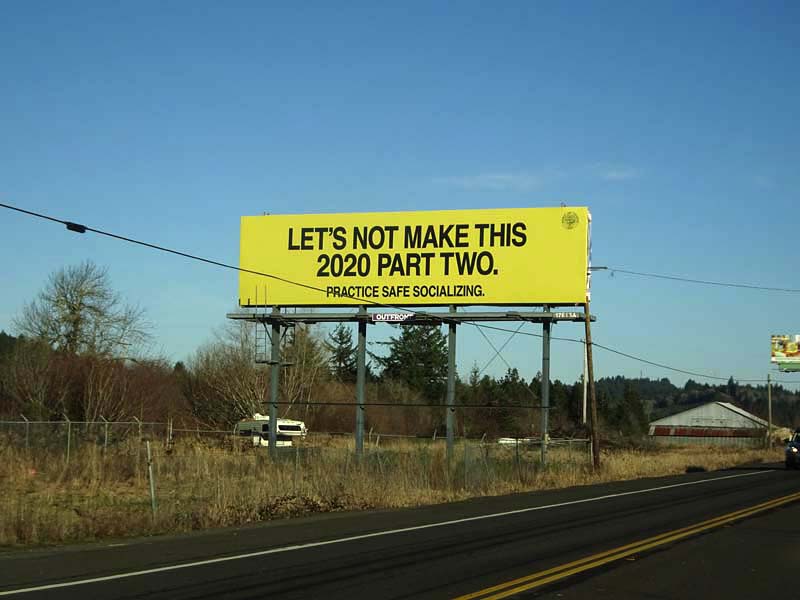
#211: Is the Pandemic Over?

Despite public fatigue, the post argues that COVID-19 remains a global threat. It critiques premature declarations of normalcy and emphasizes the ongoing risks of long COVID, waning immunity, and inadequate data. The analysis calls for continued caution, mask-wearing, and respect for scientific expertise, framing pandemic response as a moral duty to protect others.

#209: We Need to Control Artificial Intelligence

AI’s rapid development is critiqued as ethically and epistemologically dangerous. The post warns that unchecked systems can distort truth, amplify misinformation, and undermine democratic discourse. Drawing on media theory and philosophical traditions, it calls for regulation, transparency, and a pause in deployment to ensure responsible integration into society.

#201: Adventures in Artificial Intelligence: An Evening with ChatGBT

A personal reflection on interacting with AI, exploring its strengths, limitations, and philosophical implications. The post raises questions about consciousness, creativity, and the future of human-machine dialogue. It blends curiosity with caution, emphasizing the need for ethical reflection

#197: We Have Good Reasons for Hope

Despite global crises, the post affirms that humanity possesses the tools, knowledge, and resilience to overcome challenges. It defends democracy, technological progress, and cultural evolution as sources of optimism. Hope is framed not as naïveté but as a call to action and civic engagement.

#181: Are We too Stupid for the Internet?

Digital culture rewards outrage, misinformation, and shallow engagement. The post critiques algorithmic manipulation and the erosion of attention spans, warning that democracy and reason are at risk. Reclaiming the internet requires deliberate effort to foster depth, nuance, and truth.

#177: Thinking Beyond Caricatures

Complexity is essential to understanding both ideas and people. Moral and political debates suffer when reduced to slogans or caricatures. True engagement demands humility, historical awareness, and intellectual rigor. Democracy requires expertise, not just opinion; knowledge must be earned, not assumed.

#175: The Metaverse Is Not The Solution

The metaverse deepens corporate control and digital superficiality. Unlike the participatory ethos of Web 1.0, it commodifies creativity and isolates users in gamified echo chambers. Technological progress must empower, not pacify; reclaiming digital agency requires resisting entertainment-driven distraction.

#174: Climate Change Can Only Be Countered With Technological Innovation

Moral appeals and lifestyle changes are insufficient. Only large-scale technological solutions—renewable energy, carbon capture, geoengineering—can meet the urgency of climate collapse. Innovation must be prioritized over nostalgia or denial, and policy must reflect planetary-scale thinking

#139: Nature Demands Humility: Lessons from Jurassic Park World

Jurassic Park is more than entertainment—it’s a cautionary tale about hubris. Human attempts to control nature inevitably backfire. The films illustrate how technological arrogance and corporate greed ignore ecological complexity. Real-world parallels abound, from climate change to pandemics. Nature isn’t ours to dominate; it demands respect.

#132: My Tablet Told Me to Try a Bedtime Alarm to Get More Sleep

Technology’s nudges toward healthier habits are well-intentioned but often ineffective. Sleep hygiene requires more than reminders—it demands lifestyle change. The post reflects on digital interventions and the deeper need for self-awareness and discipline.