Accusations that Israel is committing genocide in Gaza are firmly rejected. The post argues that while civilian suffering is real and tragic, the term “genocide” misrepresents both intent and context. It distinguishes between military action and systematic extermination, warning that misuse of such terms undermines genuine human rights advocacy. The analysis calls for moral precision, historical awareness, and a commitment to truth in evaluating the conflict
Month: October 2023
#236: Things are Not OK. We Should Be Able to Admit It
The post acknowledges widespread global suffering—from war and economic instability to climate change and media overload—and validates the emotional toll it takes. It encourages self-care, critical engagement, and realistic hope. Rather than denying pain, it calls for honest reflection and small, meaningful actions to improve the world and restore faith in humanity.
#235: Rumors of Putin’s Death
The Kremlin’s denial of rumors about Putin’s death is interpreted as a sign of weakened control over public perception. Drawing on fictional examples, the post argues that power erodes when leaders must respond to unverified claims. It links this moment to broader instability in Russia, suggesting cracks in the regime’s narrative and authority.
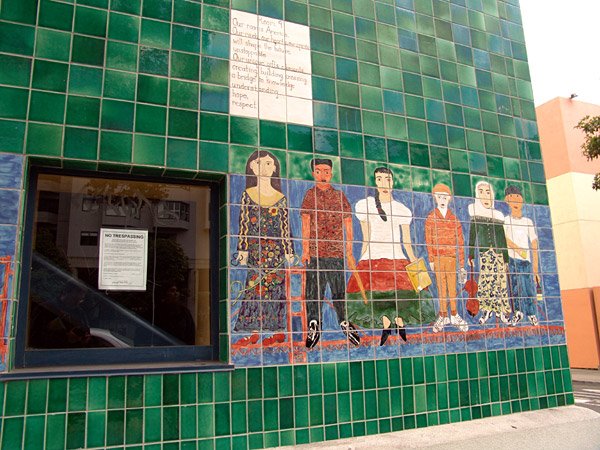
Photos: Berlin, 2001
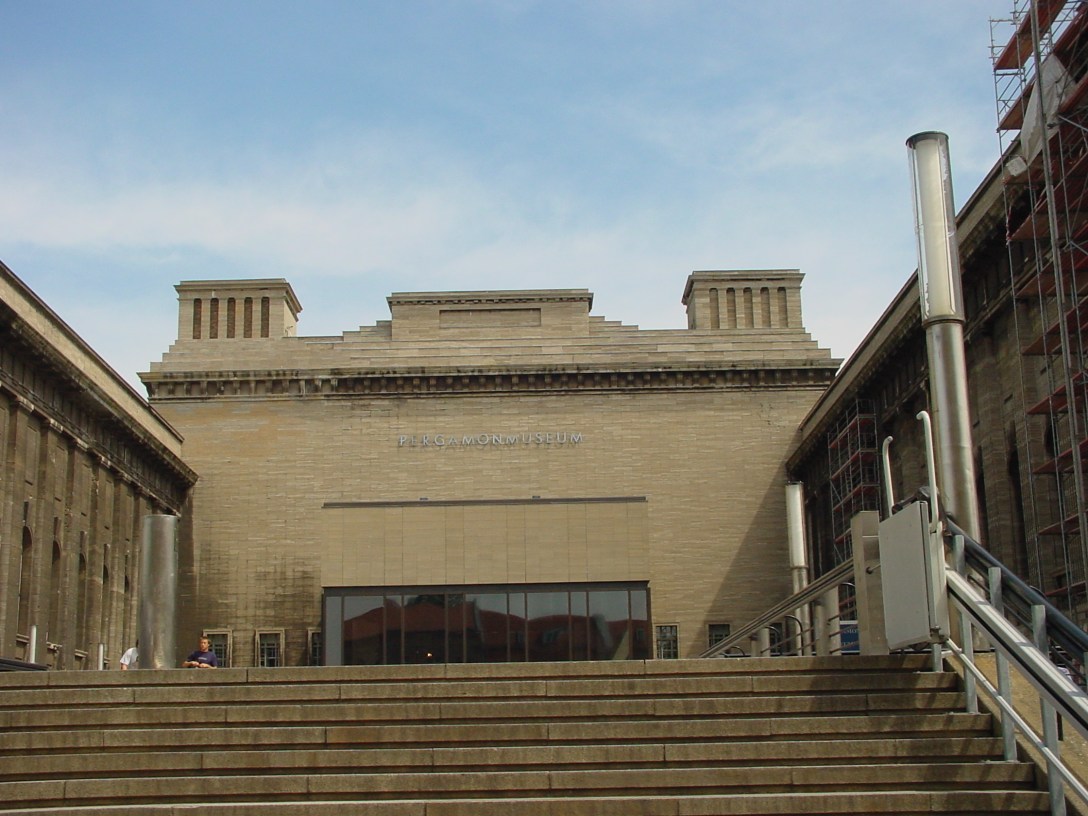
Photos: Pergamon Museum, 2003/05
#234: Israel is Neither Colonizer Nor Apartheid State
The post refutes claims that Israel is a colonial or apartheid state, arguing that such labels distort history and ignore the region’s complex realities. It emphasizes Israel’s democratic structure, diverse population, and existential vulnerability. The analysis warns that misusing these terms undermines legitimate critique and fuels antisemitic narratives.
#233: On Equity and Equality of Opportunity
Equity is clarified as the effort to ensure genuine equality of opportunity, not guaranteed outcomes. The post critiques public confusion—exemplified by a televised exchange between Bernie Sanders and Bill Maher—and argues that equity supports fairness and democracy by removing systemic barriers to inclusion. It defends D.E.I.B. as a vital civic commitment.
#232: The Downside of the Emotional Appeal
Emotional appeals in political discourse are critiqued as potentially manipulative and ineffective. The post argues that while emotion can initiate engagement, it must be followed by logic and evidence to create lasting change. Overreliance on personal stories risks solipsism, miscommunication, and alienation, especially in polarized environments.
#231: Centrism Is a Methodology, Not Primarily an Ideology
Centrism is defended as a pragmatic approach to governance rooted in compromise, dialogue, and democratic values. The post argues that ideological purity undermines progress, while centrism enables sustainable change by engaging diverse perspectives. It presents centrism as a method for navigating complexity, not a weak or indecisive stance.
#230: Against Hamas, Against Antisemitism, Against Antizionism
The post condemns Hamas’s violence, rising antisemitism, and ideological antizionism. It argues that criticism of Israeli policy must not devolve into denial of Israel’s right to exist. The analysis calls for moral clarity in distinguishing between legitimate protest and hate, defending both Jewish identity and Palestinian dignity.
#229: Fighting for Love in Times of War
Amid war and hatred, the post calls for a radical commitment to love, empathy, and human dignity. It argues that emotional resilience and moral courage are essential to resisting dehumanization. Love is framed not as naïve sentiment, but as a political and ethical stance against violence and despair.
#228: Hamas Attacked Israel
The post documents and condemns Hamas’s attack on Israel, emphasizing the brutality and ideological extremism behind it. It argues that the assault was not a spontaneous uprising but a calculated act of terror. The analysis calls for solidarity with victims and a rejection of narratives that justify or minimize such violence.
#227: Whatever Your Politics, There is No Reason to Support Putin
Support for Putin is rejected across the political spectrum. The post argues that his regime embodies authoritarianism, corruption, and aggression, posing a threat to global democracy. It critiques Western figures who excuse or admire Putin, warning that such positions betray democratic principles and moral integrity.
#226: We Must Not Give Up on Global Democracy
The post defends global democracy against rising authoritarianism and cynicism. It argues that democratic values—freedom, accountability, human rights—must be actively protected and promoted. Despite setbacks, the analysis urges continued engagement, solidarity, and hope, framing democracy as a fragile but vital global project.
#225: Religion, Transcendence & Nature
The post explores the intersection of religion, transcendence, and nature, arguing that spiritual experience is deeply rooted in the natural world. It critiques dogmatic theology and calls for a more open, experiential understanding of the divine. Nature is presented as a source of awe, ethical reflection, and existential insight.