Gorbachev’s reforms exposed the failures of Soviet socialism and enabled democratic movements across Eastern Europe. His legacy contrasts sharply with Putin’s authoritarianism. Though imperfect, Gorbachev’s openness and vision helped liberate millions and remains a symbol of humane leadership.
Month: August 2022
#190: On the Ability of Russians to Suffer their Government
#189: Soviet Monuments Need To Go
Monuments celebrating Soviet power are symbols of imperialism and totalitarianism, not liberation. Their presence in public spaces perpetuates historical falsehoods and glorifies organized evil. Like Nazi or Confederate memorials, they belong in museums, not city squares. Latvia’s decision to dismantle one is praised as morally necessary.
#188: What Is “The West” Today? From “Civilization” to Cooperation
The concept of “the West” is exposed as a shifting, often incoherent construct. Through maps and institutional analysis, the post argues that alliances, development, and democratic values—not geography or culture—define modernity. The term “West” ultimately collapses under scrutiny, revealing global interdependence and the need for cooperation over division.
#187: Words Are Not Violence
Equating speech with violence undermines both free expression and the clarity of moral judgment. Verbal offense is not physical harm, and disproportionate responses—like Will Smith’s slap—reflect a failure to distinguish registers. Art and critique must provoke; censorship breeds resentment and stifles growth.
#186: Salman Rushdie and the Case for Free Speech
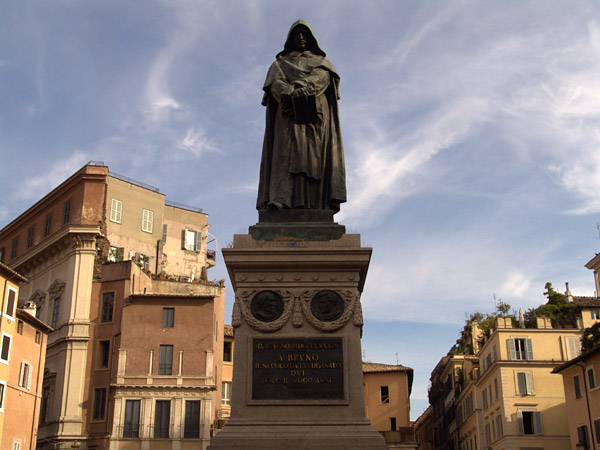
Free speech must be defended absolutely, regardless of content or offense. The attack on Rushdie echoes historical efforts to silence dissent, from Giordano Bruno to modern authoritarian regimes. Without free expression, democracy, culture, and progress collapse. The choice is stark: liberty or repression.